Bingo for Sunday School: Free Printable Bible Cards
Bingo for Sunday school is a simple grid game where kids mark Bible words and pictures, like "ark," "shepherd," or "loaves and fishes," instead of numbers. It turns memory verses, Bible stories, and lesson review into something kids actually look forward to. The fastest way to set it up is a free bingo card generator that turns one Scripture word list into a unique card for every child in your class.
Teaching a lesson this week? Open the free generator, paste in a list of Bible words (there's a ready-made one below), and print a card for each kid. No sign-up, no cost, no special software.
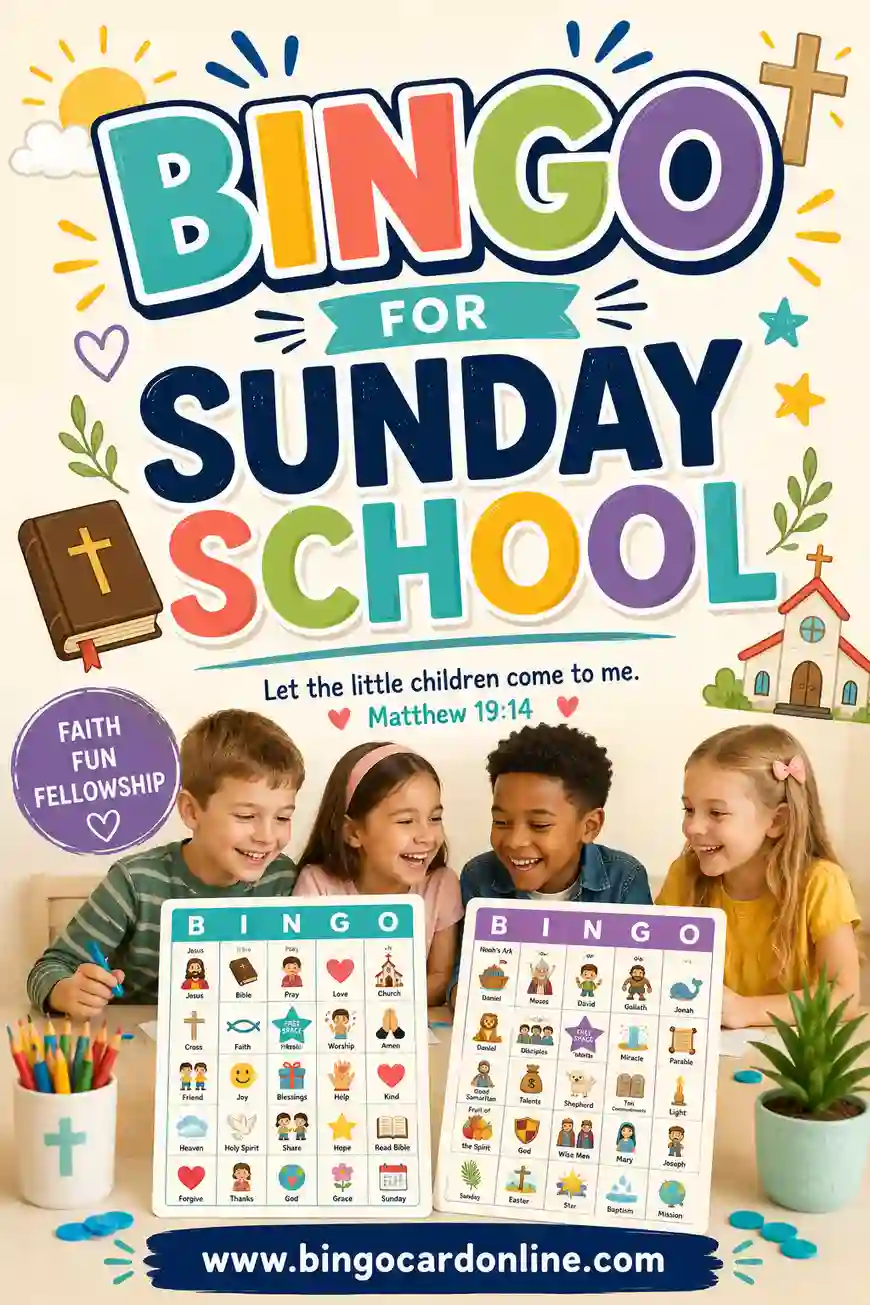
It's regular bingo with a Bible twist. Instead of numbers, each square holds a word or picture tied to your lesson, like a story, a character, a place, or a key word from a memory verse. You call out items, kids mark the ones they have, and the first to fill a line shouts "Bingo!"
It's flexible enough to fit almost any lesson. Teaching the story of Noah? Fill squares with ark, dove, rainbow, and animals. Working through the fruit of the Spirit? Use love, joy, peace, and patience. The game shapes itself around whatever you're teaching.
You can run it two ways:
- Caller bingo. The teacher draws words from a bowl and reads them, sometimes with a quick fact or verse reference. Kids mark matches. This is the classic version, and it sneaks in review.
- Verse bingo. Read a Scripture passage aloud and have kids mark any word from the verse that appears on their card. Great for memory work.
Why Bingo Works in Sunday School
Keeping a room of kids focused on a Bible lesson isn't always easy. Bingo gives you a fun, low-prep way to reinforce what you're teaching. Here's why it lands:
- It makes lessons stick. Hearing and finding words like "shepherd" or "manger" over and over helps the story settle in.
- It includes everyone. Use pictures for younger kids and words for older ones, so the whole class can play together.
- It's nearly free. A printed set costs almost nothing, and you can use beans or stickers as markers.
- It calms a busy room. When energy runs high, a round of bingo gives kids a reason to sit, listen, and focus.
It's also a teacher's friend on a busy Sunday. One adult can run a whole game while quietly reviewing the week's key points.
Free Sunday School Bingo Word List (Copy & Paste)
Here's a ready-to-use list of 30 Bible squares. Pick any 16 for a 4x4 card, 9 for a 3x3, or 24 for a 5x5 with older kids. Copy the column you like straight into the generator.
| Bible Stories | People & Places | Key Words |
|---|---|---|
| Ark | Shepherd | Love |
| Rainbow | Angel | Faith |
| Dove | David | Hope |
| Manger | Goliath | Peace |
| Star | Mary | Joy |
| Loaves and fishes | Joseph | Prayer |
| Burning bush | Moses | Cross |
| Lion's den | Disciples | Heaven |
| Whale | Bethlehem | Kindness |
| Garden | Jerusalem | Light |
Pick squares that match this week's lesson so the game doubles as review. Mix in a memory-verse word or two to reinforce what kids are learning.
Lesson-themed variations to try
- Christmas story bingo. Manger, star, shepherds, wise men, angel, Bethlehem. Perfect for Advent classes.
- Easter story bingo. Cross, empty tomb, palm branch, garden, stone, sunrise. Great for the weeks before Easter.
- Fruit of the Spirit bingo. Love, joy, peace, patience, kindness, goodness. Ties straight to the verse in Galatians.
How to Make Sunday School Bingo Cards in 4 Steps
No design skills needed. Here's the whole process.
- Pick your grid size. 4x4 for most classes, 3x3 for preschoolers, 5x5 for older kids who read quickly.
- Add your words. Paste at least 16 Bible words for a 4x4. Tie them to your current lesson for built-in review.
- Choose how many cards. One per child, plus a few spares for visitors. The generator makes each card unique.
- Print. Hit print, grab your stack, and you're ready before class starts.
That's it. Print on cardstock or use sleeves so kids can mark with dry-erase markers and you can reuse the cards next week.
Ways to Use Bingo in Your Lesson
Bingo isn't just a time-filler. With a little planning, it teaches.
Review at the end of class
Play a round to wrap up. As you call each word, ask a quick question: "Who remembers what the dove brought back to Noah?" It turns the game into a gentle quiz.
Memory verse practice
Make a card from the words in this week's verse. Read the verse slowly and have kids mark each word as they hear it. By the end, they've heard the verse several times.
Bible story introduction
Play before the lesson with words from the story you're about to tell. Kids get curious about the squares, which primes them to listen when you teach.
A reward for good behavior
Save bingo for the last ten minutes as a treat. Kids stay engaged through the lesson knowing the game is coming, and it sends them home on a high note.
Prizes and Markers That Work
Keep both simple, cheap, and classroom-friendly.
Easy marker ideas
- Dried beans, buttons, or pom-poms
- Stickers (kids love them, and they double as a small reward)
- Small candies, if your class allows treats
- Crayons or washable markers to color the square
- Mini chips or coins from a craft bin
Prize ideas that fit a Sunday school
- A Bible-themed sticker or bookmark
- First pick from a small prize box
- A pencil or eraser with a verse on it
- "Line leader" or "prayer leader" honors for the day
- A round of applause and a paper crown
Tip: keep prizes small and have enough for several winners across a few short rounds, so more kids get a turn.
Sunday School Bingo by Age
The same game stretches across your whole children's ministry with a few tweaks.
| Age group | Grid size | Tips |
|---|---|---|
| Preschool (3–5) | 3x3 | Pictures only. Simple Bible images. Slow calling. |
| Early elementary (6–8) | 4x4 | Picture-and-word mix. Tie to the story. |
| Older kids (9–11) | 4x4 or 5x5 | Words and verse references. Add a review question per call. |
| Tweens (12+) | 5x5 | Memory-verse words and a blackout round for a challenge. |
| Mixed class | 4x4 | Pictures so younger and older kids can play together. |
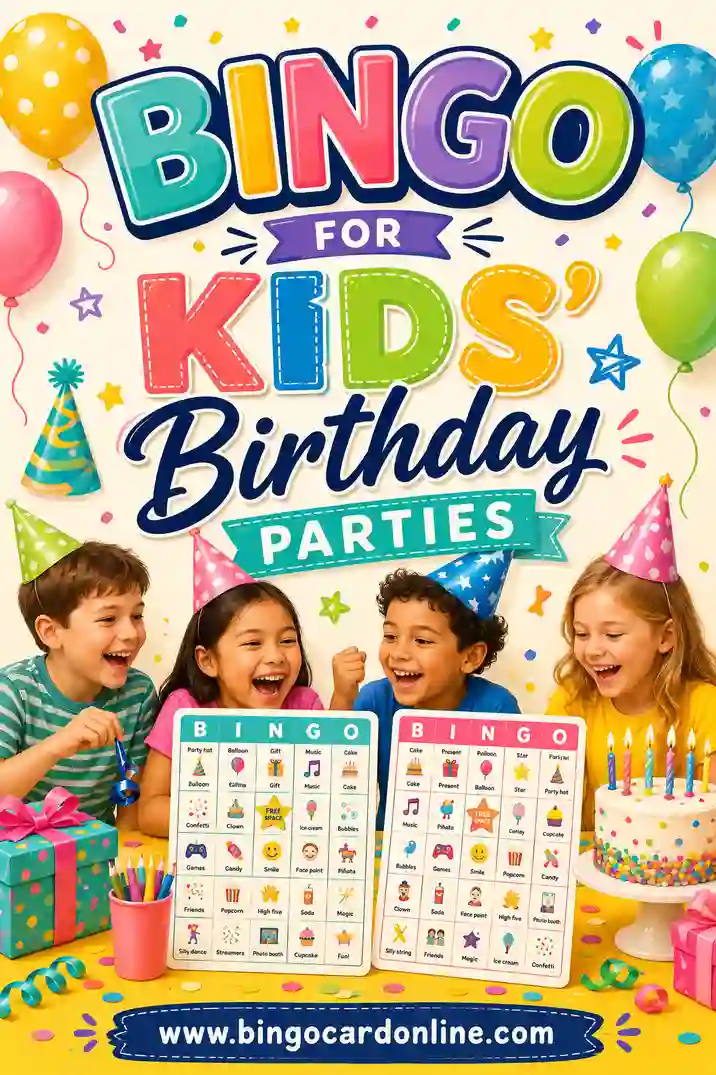
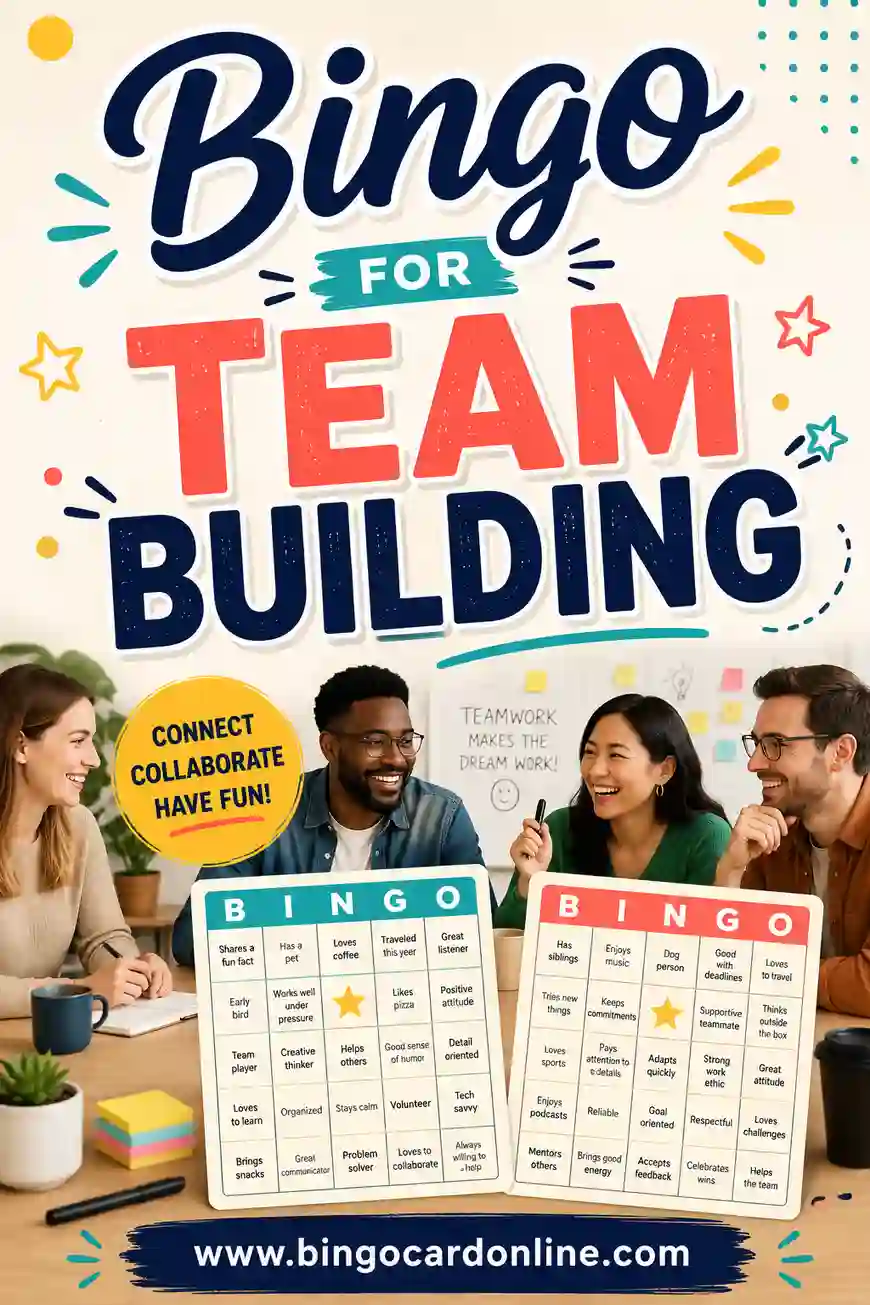
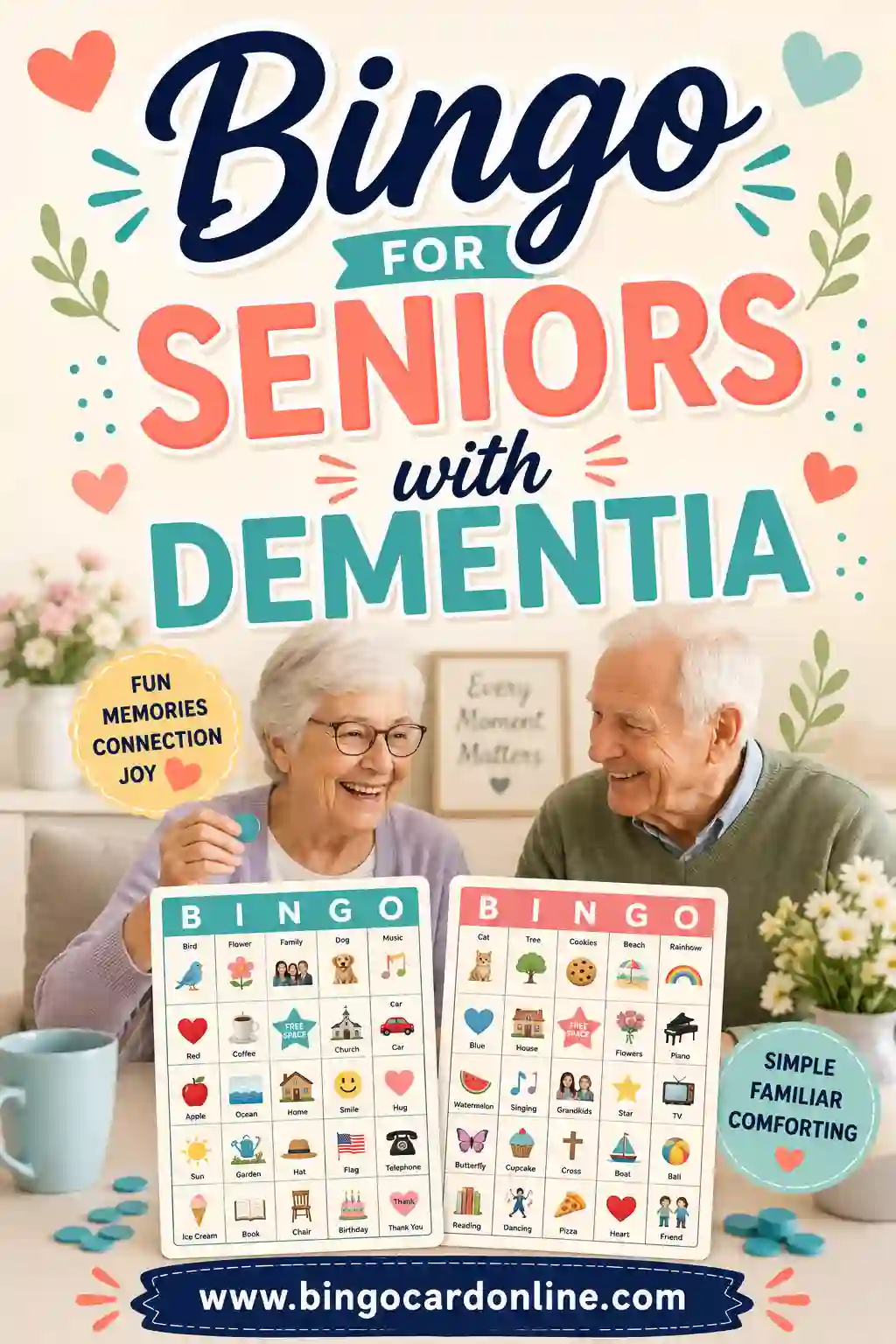
Planning more group games? You can build the same kind of bingo for other settings with our kids' birthday party bingo, team building bingo, and bingo for seniors.
Bingo Games for Specific Bible Lessons
The beauty of Sunday school bingo is how easily it bends to whatever you're teaching this week. Here are a few ready-made setups you can lift straight into class.
Noah's ark bingo
Fill the squares with the pieces of the story: ark, dove, rainbow, rain, two-by-two, animals, flood, olive branch, Noah, and "40 days." As you call each word, pause to ask the room what comes next. "After the rain stopped, what did Noah send out first?" The game becomes a retelling, and the kids do most of the telling.
The Christmas story bingo
This one practically writes itself for the weeks of Advent. Use manger, star, shepherds, wise men, angel, Bethlehem, Mary, Joseph, baby Jesus, and stable. Younger classes do great with a picture version here, since every square is easy to draw. Call the words in story order one round, then shuffle and call them randomly the next.
Parables bingo
Older kids can handle a card built from Jesus's parables: lost sheep, good Samaritan, mustard seed, sower, prodigal son, hidden treasure, talents, and "the pearl." After someone wins, ask them to explain what one parable on their card means. It's a sneaky way to check understanding without it feeling like a test.
Books of the Bible bingo
For a class that's memorizing the order of the books, make cards from book names instead of story words. Call them out and have kids find them, or read a one-line summary and let them spot the matching book. It turns a dry memory task into a race everyone wants to win.
Tying Bingo to a Memory Verse
A single round of bingo can do more memory-verse work than five minutes of repeating after you. The trick is building the card from the verse itself.
Say this week's verse is "Be kind to one another." Make a card where the squares are the key words: kind, one, another, love, gentle, forgive, and so on. Read the verse slowly, twice, and have kids mark every word they hear that's on their card. Then read it a third time at normal speed. By the time the game ends, they've heard the verse several times and hunted for its words on purpose, which is exactly how short verses lodge in memory.
For longer verses, break the words across the whole card and play a blackout round, where kids race to mark every square. They'll be listening hard for each word, which is the whole point. Wrap up by having the class say the verse together once, and you'll be surprised how many already have it.
Keeping a Large or Mixed-Age Class Engaged
Big classes and wide age ranges are where bingo really earns its keep, but they need a little planning so nobody gets left behind.
If you've got readers and non-readers in the same room, run two grid sizes at once. Hand the little ones a 3x3 picture card and the older kids a 4x4 word card, then call each item by both saying it and showing a simple picture. Everyone plays the same game at their own level, and no child feels singled out.
For a large class, pair kids up so a stronger reader sits with a younger buddy. The older child reads the squares and the younger one places the markers. It keeps the room calm, builds a little friendship, and means you're not fielding twenty "where is it?" questions at once.
When energy spikes, shorten the rounds. Three quick games with small prizes hold attention far better than one long blackout. And always keep a spare card or two within reach, because a visitor or a latecomer is almost guaranteed, and handing them a card the moment they walk in makes them feel welcome right away.
Frequently Asked Questions
How do I make Sunday school bingo cards?
Write a list of 16 or more Bible words tied to your lesson, then drop them into a bingo card generator. It shuffles your list into a unique card for each child. Print the stack, and you're ready for class.
What words should go on a Bible bingo card?
Use words from your current lesson: story items like ark and manger, characters like David and Moses, and key words like faith and joy. The word list above gives you 30 ready to copy. Match the squares to what you're teaching for built-in review.
What age is Sunday school bingo good for?
It works from preschool through the tween years. Use a 3x3 picture card for little ones, a 4x4 for early elementary, and a 5x5 with memory-verse words for older kids who read quickly.
Are these bingo cards really free to print?
Yes. You make and print them yourself at no cost. There's no sign-up and no watermark, so you can outfit a whole class on a single free word list and reuse the cards each week.
How can I use bingo to teach a memory verse?
Make a card from the words in the verse, then read the verse aloud slowly while kids mark each word they hear. Play a couple of rounds and they'll have heard the verse several times, which helps it stick.
How do I keep every card different?
Use a generator that shuffles your word list. It rearranges the same Bible words into a new layout for each card, so wins spread across the class and no two kids have identical grids. Doing this by hand for a full class is slow, which is why the tool exists.
How long does a game of Sunday school bingo take?
A single line round usually runs 5 to 10 minutes, which fits neatly into the last stretch of class. A blackout round, where kids fill the whole card, takes longer, closer to 15 minutes. If you're tight on time, stick to single-line wins and play two short games rather than one long one.
Can I play bingo with non-readers?
Yes, and it's one of bingo's best tricks. Use a picture card instead of words, with simple Bible images like an ark, a star, or a lamb. Call each item by name while holding up the picture, and even three-year-olds can match and mark. A 3x3 grid keeps it short enough for little attention spans.
Ready to Print Your Sunday School Bingo Cards?
Grab the word list above, open the free bingo card generator, and you'll have a unique card for every child in minutes. It's free, there's no sign-up, and each card comes out different, so your lesson review turns into a game kids ask to play. Print your stack, grab some stickers, and watch your class light up.