Designing Corporate Wellness Challenges to Mitigate Digital Burnout

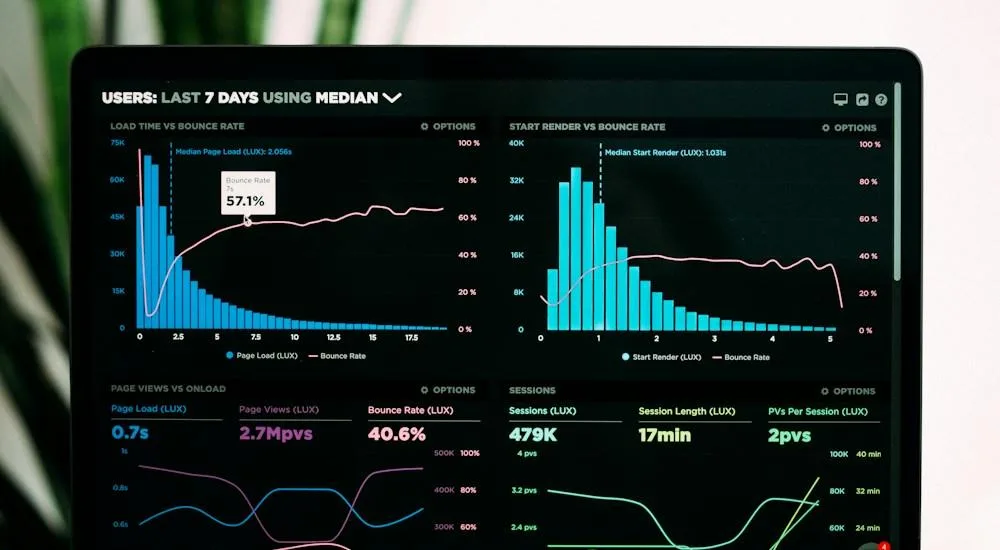
High-resolution photographic capture representing mindful digital recharge, ergonomic workplace balance, and holistic employee well-being.
The Neurophysiology of Digital Burnout: Chronic Sympathetic Arousal and Allostatic Load in Distributed Teams
In the modern hyper-connected knowledge economy, professional life takes place almost exclusively through high-frequency digital interfaces. Laptops, smartphones, virtual meeting software, and instant messaging clients demand relentless visual vigilance and instant cognitive responsiveness. While these technologies enable global commercial synchronization, their uninterrupted operation imposes severe biological strains upon the human autonomic nervous system. According to clinical nosology formalized by the World Health Organization within the International Classification of Diseases (ICD-11), burnout is officially recognized as an occupational phenomenon resulting from chronic workplace stress that has not been successfully managed. Burnout is characterized by energy depletion, mental distancing from professional duties, and diminished occupational efficacy.
At the neurobiological level, digital burnout manifests as a state of sustained sympathetic hyper-arousal. The human central nervous system evolved to manage acute physical stressors through transient fight-or-flight reactions, followed by rapid parasympathetic recovery. However, incoming digital notifications, urgent email pings, and overlapping calendar invitations activate identical neurochemical cascades without physical release. In foundational endocrinological studies published by the National Institutes of Health, researchers demonstrated that prolonged exposure to psychosocial work stressors causes dysregulation of the hypothalamic-pituitary-adrenal (HPA) axis, resulting in chronically elevated baseline cortisol and systemic allostatic overload. This biological toll damages cellular immunity, disrupts sleep architecture, and impairs prefrontal cognitive control.
Allostatic load represents the cumulative physiological wear and tear that the body experiences when subjected to repeated, unremitting stress adaptation cycles. In distributed and hybrid knowledge workers, allostatic load accumulates insidiously because the physical boundary separating professional labor from domestic rest has collapsed. Employees wake up to notifications, consume meals beside illuminated display screens, and review project dashboards late into the evening. Over extended observation windows, this relentless cognitive engagement precipitates profound executive dysfunction, memory consolidation deficits, and emotional cynicism.
Furthermore, digital interactions impose unique neurological demands that do not exist during in-person human communication. Video conferencing software forces the brain to process micro-delays in vocal audio, monitor unnatural constant eye contact, and simultaneously observe one own mirror image. This phenomenon, colloquially termed Zoom fatigue, consumes vast amounts of glucose in the anterior cingulate cortex, accelerating mental exhaustion. When enterprise wellness programs attempt to address this profound neurobiological crisis with superficial fruit baskets or mandatory lunchtime webinars, they exacerbate the very fatigue they intend to alleviate.
To construct effective remedies, organizational health architects must replace passive health advice with scientifically grounded behavioral interventions. By designing corporate wellness challenges that systematically reset autonomic tone, encourage parasympathetic activation, and establish clear digital boundaries, enterprises protect their human capital from chronic neuro-endocrine degradation. Understanding the biological reality of digital burnout is the essential foundation for engineering genuine workplace vitality.
Deconstructing Toxic Productivity: The Fallacy of Always-On Enterprise Culture and Asynchronous Fatigue
The contemporary enterprise landscape is frequently contaminated by a cultural pathology known as toxic productivity. In this organizational climate, personal worth and professional commitment are erroneously equated with constant digital availability, rapid response latencies, and self-sacrificing overtime. In comprehensive clinical surveys conducted by the American Psychological Association, over seventy percent of corporate respondents report experiencing significant workplace stress, with persistent pressure to remain reachable outside standard business hours identified as a primary driver of psychological distress. This performative availability culture destroys deep work capacity while simultaneously inducing profound mental exhaustion.
Ironically, the widespread enterprise adoption of asynchronous communication tools like Slack, Microsoft Teams, and Jira has worsened rather than resolved this availability crisis. While asynchronous tooling was promised to liberate professionals from rigid schedules, in practice it created an unrelenting expectation of perpetual responsiveness. Employees experience asynchronous fatigue: the anxiety of navigating hundreds of fragmented unread threads, persistent channel mentions, and shifting project deadlines across disparate time zones. Because communication never terminates, workers never experience true psychological detachment from their professional responsibilities.
The inability to achieve psychological detachment carries devastating consequences for cognitive recovery. Research in occupational psychology demonstrates that genuine restoration requires complete cognitive disengagement from work-related thoughts during leisure periods. When an employee checks email while lying in bed or monitors work channels during family dinners, the brain remains trapped in a low-grade state of anticipatory vigilance. This constant mental simmering prevents restorative slow-wave sleep, ensuring that the worker arrives at their desk the following morning in an already depleted energetic state.
Toxic productivity also triggers severe operational degradation across the organization. Chronically exhausted employees exhibit impaired critical thinking, lower empathy in cross-functional collaborations, and heightened risk aversion. When staff operate in survival mode, their capacity for creative synthesis, long-term strategic planning, and innovative problem-solving drops toward zero. The organization ends up trading genuine high-value commercial output for superficial, frantic activity metrics that generate zero durable competitive advantage.
Dismantling toxic productivity requires structural institutional redesign rather than individualized coping advice. Enterprises must transition from an culture of reactive responsiveness to one of deliberate, protected focus. Gamified wellness frameworks provide the structured behavioral architecture necessary to legitimize disconnection, establish collective boundary norms, and celebrate proactive rest as an indispensable catalyst for sustainable operational excellence.
Gamification in Behavioral Health: Habit Formation, Dopamine Regulation, and Nudge Architecture
When enterprise wellness initiatives rely strictly on moralistic lecturing or dry informational brochures, employee participation rates typically hover below fifteen percent. Human behavioral modification is extraordinarily difficult to achieve through intellectual awareness alone; knowing that physical movement or screen breaks are beneficial does not reliably generate daily habitual action. Gamification transforms this dynamic by applying behavioral economics, habit loop psychology, and dopamine regulation mechanics to positive lifestyle behaviors. In landmark workplace health guidelines published by the Centers for Disease Control and Prevention, interventions that integrate social support, environmental prompts, and structured reinforcement demonstrate significantly higher longitudinal adherence across diverse corporate populations.
At the center of behavioral gamification lies the neurological habit loop formulated by B.F. Skinner and popularized by modern behavioral psychologists: cue, routine, and reward. In typical work environments, digital notifications serve as destructive cues that trigger compulsive phone-checking routines, delivering unpredictable dopamine hits that cement addictive screen habits. Gamified wellness frameworks deliberately hack this biological reward circuitry by inserting positive restorative cues into daily workflows. An interactive wellness matrix presents a visual cue that nudges the employee to engage in a positive routine, such as taking a fifteen-minute outdoor walking break, followed by immediate psychological validation upon logging the achievement.
Richard Thaler and Cass Sunstein Nobel-prize-winning framework of Nudge Theory provides the foundational architecture for non-coercive wellness gamification. A behavioral nudge modifies the choice architecture of an environment in a predictable manner without forbidding any options or altering economic incentives. In a gamified corporate wellness context, matrix challenges function as gentle structural nudges. Rather than mandating that every engineer meditate for thirty minutes, the framework offers an array of micro-actions, allowing employees to select wellness practices that naturally align with their daily schedules and personal comfort levels.
Crucially, restorative gamification fosters sustainable dopamine equilibrium by celebrating consistent micro-habits rather than frantic point accumulation, nurturing intrinsic self-efficacy and behavioral autonomy.
When behavioral nudges, habit loops, and healthy dopamine regulation are harmonized within an engaging gamified structure, health behaviors cease to feel like burdensome obligations. Employees view wellness challenges not as another item on an exhausting checklist, but as an empowering, restorative game that enriches their daily vitality. This shift from extrinsic compliance to intrinsic enthusiasm is the secret to enduring institutional well-being.
Structural Architecture of Wellness Matrices: Designing Interactive Habit and Recharge Grids
The most versatile and scientifically sound medium for deploying gamified corporate wellness challenges is the interactive wellness matrix grid. Modeled after spatial 5x5 or 4x4 matrix configurations, these interactive boards transform wellness from a rigid, monolithic program into an engaging, multi-dimensional adventure. Utilizing flexible digital authoring tools such as bingocardonline.com, People Operations teams and employee resource groups can rapidly construct customized corporate wellness matrix cards tailored to distributed teams, seasonal campaigns, or departmental sprints.
The architectural superiority of the wellness matrix grid stems from its spatial non-linearity. In conventional wellness initiatives, such as thirty-day step challenges, an employee who falls ill or faces an intense project deadline on day four immediately falls behind the group, experiences demotivation, and abandons the initiative entirely. Conversely, an interactive matrix grid provides complete spatial autonomy. If an intense technical incident prevents an engineer from completing an outdoor activity on Tuesday, they can fulfill an alternative square, such as practicing a five-minute diaphragmatic breathing routine between meetings or hydrating with two liters of water. The framework accommodates the messy reality of professional life without penalizing the participant.
A balanced corporate wellness matrix intentionally integrates multiple holistic dimensions of human vitality across its thematic rows and columns. A standard high-impact matrix incorporates five distinct wellness pillars: physical ergonomics, digital boundaries, cognitive micro-restoration, nutritional hydration, and cross-functional social connection. For example, Row 1 might focus on physical posture resets and ergonomic stretches, Row 2 on digital sunset rituals and notification muting, Row 3 on mindful breathing and nature exposure, Row 4 on balanced meal planning and cellular hydration, and Row 5 on reaching out to a colleague to offer genuine gratitude. This comprehensive distribution guarantees that wellness is experienced as a holistic lifestyle practice rather than a narrow physical fitness test.
Visualizing progress through matrix grids activates the psychological drive toward geometric closure and pattern completion. As employees mark off completed squares across rows, columns, or diagonal paths, their visual progress is celebrated through delightful UI micro-interactions. The tangible satisfaction of completing a straight line or an entire four-corner cluster provides immediate micro-affirmation, driving sustained participation across multiple weeks. The playful visual format removes the clinical sterile feel typical of corporate medical programs, making self-care approachable and joyful.
Moreover, digital wellness matrices provide enterprise health managers with anonymous, aggregate telemetry regarding organizational well-being patterns. If aggregated data shows that ninety percent of employees easily complete hydration squares but almost zero employees complete the Take an uninterrupted thirty-minute lunch square, leadership receives an unequivocal diagnostic signal regarding systemic workload pressures. The matrix serves as an ongoing behavioral sensor, illuminating cultural friction points that require executive policy adjustments.
The Role of Micro-Restoration: Circadian Alignment, Ultradian Breaks, and Digital Detoxing
A widespread misconception in corporate culture is that recovery occurs exclusively during annual vacations, weekend breaks, or nighttime sleep. In human chronobiology and cognitive neuroscience, however, research demonstrates that the brain requires frequent, rhythmic intervals of micro-restoration throughout the working day to preserve peak executive function. Nathaniel Kleitman pioneering work on the Basic Rest-Activity Cycle (BRAC) revealed that the human nervous system operates in rhythmic ultradian waves of approximately ninety to one hundred and twenty minutes of focused alertness, followed by a twenty-minute physiological dip requiring recovery.
When knowledge workers ignore these biological ultradian rhythms and force themselves to work through four consecutive hours of intense problem-solving, their prefrontal cortex experiences severe synaptic exhaustion. The brain begins exhibiting attentional slippage, increased distractibility, and elevated error rates. Gamified wellness matrices operationalize ultradian rest by embedding structured micro-restoration challenges into daily schedules. Challenges such as Step away from all display screens for ten minutes after a ninety-minute sprint or Practice 4-7-8 breathing between customer calls guide employees to synchronize their working cadences with natural biological rhythms.
Circadian alignment represents another vital frontier in digital burnout mitigation. The blue light wavelengths emitted by modern LED monitors and mobile displays suppress melatonin secretion in the pineal gland, severely disrupting circadian biological clocks. When workers stare at screens late into the night, their sleep architecture suffers, resulting in decreased REM dream states and compromised slow-wave deep sleep. Wellness matrices combat this digital circadian disruption by encouraging evening digital sunset rituals, such as Powering off all work devices sixty minutes before sleep or Engaging in an analog evening reading ritual. These small behavioral boundaries restore restorative sleep cycles, allowing workers to awake naturally rejuvenated.
Digital detoxing does not require extreme retreats or abandoning modern technology; rather, it involves creating structured pockets of sensory silence within the digital day. Strategic matrix squares such as Take a phone-free walk in nature or Eat lunch outdoors without checking notifications allow the overstimulated sensory system to reset. Exposure to natural fractals, gentle daylight, and ambient sounds down-regulates amygdala hyperactivity, lowering systemic blood pressure and restoring cognitive clarity. Micro-restoration transforms rest from an guilty luxury into a disciplined professional practice.
By normalizing micro-restorative pauses throughout the organizational hierarchy, companies prevent acute workplace fatigue from hardening into chronic, debilitating burnout. Employees discover that taking ten minutes to breathe, walk, or disconnect actually accelerates their overall productivity and enhances creative problem-solving. Sustained human performance is built not upon unbroken exertion, but upon rhythmic, alternating cycles of deep engagement and purposeful recovery.
Collective Social Proof and Community Accountability: Destigmatizing Rest in High-Performance Teams
In high-pressure corporate environments, the greatest impediment to employee self-care is not a lack of personal desire, but the pervasive fear of social judgment. When an ambitious worker observes that their peers and managers work through lunch breaks, answer emails at midnight, and brag about sixty-hour work weeks, taking a wellness break feels like an admission of professional weakness. Human beings are deeply attuned to social proof; they calibrate their workplace behaviors according to the implicit social norms modeled by their peer group. In executive research published by the Harvard Business Review, organizational scientists emphasize that sustainable workplace change requires collective behavioral safety, where healthy behaviors are visibly modeled and celebrated across all organizational ranks.
Gamified wellness matrices dismantle this culture of silent suffering by establishing transparent collective social proof. When an entire engineering sprint team, sales cohort, or cross-functional department embarks upon a collaborative wellness challenge together, taking restorative breaks becomes an celebrated team norm rather than an private transgression. Employees share photos of their midday walks, exchange healthy lunch recipes, and discuss their favorite non-screen hobbies within dedicated Slack or Teams wellness channels. This visible public engagement destigmatizes rest, creating an inclusive atmosphere where self-care is recognized as an badge of operational professionalism.
Community accountability functions through positive camaraderie rather than authoritarian surveillance. In cooperative wellness formats, teams work together to achieve collective matrix milestones, such as accumulating two hundred combined micro-breaks or completing a department-wide hydration streak. Because the challenge is framed cooperatively, team members actively support and remind one another to step away from their desks. A colleague might message another saying, I see you have been heads-down for three hours; let us both log our fifteen-minute screen break square right now. This mutual support builds profound interpersonal trust and emotional capital.
Furthermore, sharing non-work wellness pursuits deepens relational bonds across functional departments. When colleagues discover shared interests in hiking, mindfulness meditation, cycling, or culinary arts, their professional communication becomes significantly more empathetic and fluid. Cross-functional friction during high-stakes product releases dissolves because team members view one another as whole human beings rather than detached Slack handles. The social dividends of collaborative wellness challenges extend far beyond physical health, enriching the entire emotional fabric of the enterprise.
By transforming wellness from a solitary struggle into a shared communal journey, organizations eliminate the guilt and anxiety that historically sabotaged workplace health programs. Employees feel genuinely supported by their peers and leaders, fostering an authentic sense of belonging. Collective social proof proves that an organization can achieve exceptional commercial excellence while fiercely safeguarding the health and happiness of its people.
Ergonomic Integration: Combatting Musculoskeletal Strain and Asthenopia in Remote Workspaces
While the psychological dimensions of digital burnout receive widespread attention, its physical manifestations are equally severe and destructive. Knowledge workers spend eight to twelve hours daily immobilized in static seated postures, subjecting their bodies to chronic biomechanical strain. Uncorrected workstation ergonomics lead directly to musculoskeletal disorders, including cervical spine compression (text neck), carpal tunnel syndrome, and chronic lumbar fatigue. Simultaneously, continuous near-point ocular convergence on illuminated digital screens produces digital eye strain (asthenopia), characterized by dry eyes, blurred vision, and debilitating tension headaches.
Gamified wellness matrices provide an ideal mechanism for embedding preventive biomechanical ergonomics into daily work routines. Instead of hoping that employees remember to adjust their monitors, the wellness grid includes concrete, actionable ergonomic quests. Challenges such as Adjust display to eye level with arm-length distance, Complete five minutes of thoracic spine mobility stretches, and Execute the 20-20-20 rule every hour provide immediate structural prompts that interrupt sedentary stagnation and relieve spinal pressure.
The 20-20-20 rule is an evidence-based optometric protocol designed to mitigate asthenopia and ciliary muscle spasm. Every twenty minutes of digital screen usage, the individual shifts their gaze to an object situated at least twenty feet away for a duration of at least twenty seconds. This distant fixation allows the intraocular ciliary muscles to relax fully, preventing chronic spasm and reducing ocular dryness by stimulating natural blink rates. Embedding this simple habit into an interactive matrix card transforms optometric science into a playful, trackable daily routine.
Furthermore, postural variability is essential for vascular circulation and spinal disc nutrition. The human spine is designed for dynamic movement, not static seated paralysis. Gamified challenges that prompt workers to transition to standing desks, conduct walking phone meetings, or perform gentle calf raises during conference calls stimulate lymphatic drainage and promote venous blood return from the lower extremities. This enhanced systemic circulation delivers oxygenated glucose to the brain, directly alleviating the physical lethargy that masquerades as mental burnout.
Integrating physical ergonomics with digital wellness challenges produces immediate, tangible relief for knowledge workers. When employees experience less neck tension, fewer tension headaches, and greater bodily vitality, their mood and cognitive stamina improve dramatically. Ergonomic gamification protects the physical biological vessel, ensuring that the body supports rather than sabotages the intellectual labor of the knowledge professional.
Psychological Safety in Wellness: Preventing Surveillance Paranoia and Competitive Alienation
A fatal error that undermines many corporate wellness programs is the introduction of invasive tracking technologies and aggressive competitive leaderboards. When human resource departments mandate the use of wearable biometric monitors, track daily step counts, or rank employees on public fitness scoreboards, the program ceases to be a supportive health benefit; it becomes an oppressive instrument of corporate surveillance. In foundational psychometric research on enterprise trust, psychologists have demonstrated that surveillance technologies destroy psychological safety, inducing paranoia, self-protective behavior, and intense resentment among knowledge workers.
Competitive fitness leaderboards inherently alienate individuals who manage chronic health conditions, physical disabilities, neurodivergence, or demanding family caregiving responsibilities. A single parent working multiple shifts cannot compete with an unencumbered peer who spends two hours daily at the gym. Publicly ranking step counts or workout hours publicly shames those with physical limitations, exacerbating feelings of marginalization and cynicism. To preserve psychological safety, corporate wellness challenges must strictly adhere to principles of voluntary participation, data privacy, and inclusive design.
Interactive matrix cards protect psychological safety by eliminating invasive biometric tracking and zero-sum competition. Employees track their progress on self-directed boards based on subjective honesty and personal agency rather than continuous electronic monitoring. The focus shifts entirely from athletic performance metrics (such as marathon times or step tallies) to holistic self-care practices (such as mindful breathing, hydration, healthy boundaries, and gratitude). Every employee, regardless of baseline physical fitness or personal life circumstances, has equal access to success on the wellness matrix.
Data privacy must be rigorously guaranteed. Individual matrix completions should never be shared with health insurance providers, tied to performance appraisals, or utilized to determine compensation. The data collected by People Operations teams should be strictly aggregated and anonymized, utilized exclusively to identify macro-level workplace stressors and refine corporate support policies. When employees know with certainty that their wellness participation is entirely safe, private, and non-judgmental, their willingness to engage authentically increases exponentially.
True corporate wellness nurtures the human spirit; it never polices it. By designing challenges that prioritize psychological safety, inclusivity, and personal dignity, organizations create an environment where employees feel genuinely valued as whole human beings. This profound cultural trust forms the unshakeable bedrock of long-term organizational health and employee loyalty.
Executive Vulnerability and Cultural Permission: How Leadership Modeling Validates Boundaries
No corporate wellness program, regardless of its sophisticated design or gamified mechanics, can succeed if organizational leaders model the exact opposite behavior. If a Chief Executive Officer preaches work-life balance while routinely sending high-priority emails at two in the morning, employees correctly interpret the true cultural standard: perpetual availability is required for career survival. In contemporary leadership theory, cultural permission is granted not through corporate policy handbooks, but through the visible, vulnerable behaviors exhibited by senior executives.
When leadership actively participates in gamified wellness challenges, it signals an transformative shift in organizational values. An executive who publicly checks off their digital sunset square, mentions taking an afternoon walk to clear their mind, or blocks out their calendar for family dinner provides immense psychological relief to the entire organization. This behavioral modeling grants explicit cultural permission for junior staff to erect healthy professional boundaries without fear of career reprisal.
Executive vulnerability also involves openly acknowledging personal struggles with screen fatigue and digital burnout. When a respected Vice President of Engineering admits during an all-hands meeting that they felt overwhelmed by constant notifications and utilized a wellness matrix to reset their daily habits, it normalizes human fallibility. Such honesty shatters the destructive myth of executive invincibility, creating an empathetic bridge between leadership and frontline contributors. Employees realize that experiencing fatigue is not an individual character flaw, but an universal biological response to high-pressure digital environments.
Furthermore, leaders must actively defend their team wellness boundaries against organizational creep. This includes establishing company-wide No-Meeting Fridays, creating strict off-hours communication blackouts, and actively reprimanding clients or vendors who violate team rest protocols. When employees witness their managers fiercely protecting their recovery time, their loyalty, engagement, and commitment to the enterprise skyrocket.
Leadership modeling transforms wellness from a superficial human resource program into an core institutional value. When executives courageously champion self-care, psychological safety, and sustainable working rhythms, they ignite an cultural renaissance. They demonstrate that profound commercial ambition and deep human compassion are not mutually exclusive, but mutually reinforcing pillars of enduring enterprise greatness.
Quantitative Psychometrics: Measuring Well-Being ROI via Maslach Burnout Inventory and HRV Telemetry
To secure long-term executive support and institutional funding, wellness leaders must demonstrate that corporate wellness challenges generate quantifiable business value and measurable reductions in employee burnout. Relying exclusively on anecdotal feedback or superficial post-event surveys is insufficient to persuade Chief Financial Officers. Fortunately, modern organizational psychometrics and non-invasive physiological telemetry provide rigorous, scientifically validated methodologies for measuring well-being return on investment (ROI) with mathematical precision.
The gold standard in clinical burnout measurement is the Maslach Burnout Inventory (MBI), developed by pioneering psychologist Christina Maslach. The MBI evaluates three distinct psychometric dimensions: emotional exhaustion, depersonalization (cynicism toward work), and reduced personal accomplishment. By administering anonymized MBI assessments to employee cohorts before and after a six-week gamified wellness challenge, organizations calculate precise statistical shifts across each burnout subscale. High-performing wellness programs routinely demonstrate a twenty-five to thirty-five percent reduction in emotional exhaustion scores within participating departments.
In addition to psychometric surveys, non-invasive physiological metrics such as resting Heart Rate Variability (HRV) provide objective biological data regarding autonomic recovery. HRV measures the millisecond fluctuations between consecutive heartbeats, serving as a direct biomarker of parasympathetic vagal tone and autonomic flexibility. Higher HRV reflects robust stress resilience and physiological recovery, whereas chronically depressed HRV indicates autonomic exhaustion and severe allostatic load. Employees who engage in regular micro-restoration, mindful breathing, and digital sunset challenges consistently display measurable increases in baseline HRV, verifying neuro-endocrine recovery.
At the macro-economic enterprise level, the financial return on investment generated by burnout mitigation is staggering. Organizational analytics demonstrate that participating cohorts exhibit significant reductions in unplanned sick leave, dramatic decreases in voluntary talent attrition, and notable drops in healthcare insurance claim costs. When an enterprise prevents the burnout and departure of five senior engineers, it saves hundreds of thousands of dollars in recruitment, onboarding, and lost engineering velocity.
Moreover, well-rested employees produce significantly higher quality intellectual work. Code defect rates drop, creative problem-solving accelerates, and customer satisfaction ratings climb. By connecting gamified wellness metrics directly to key performance indicators, human resource leaders elevate well-being from a discretionary perk to an indispensable commercial strategy that protects enterprise profitability and shareholder value.
Comparative Diagnostic Matrix: Corporate Wellness Modalities and Burnout Mitigation Efficacy
Selecting the most effective workplace wellness intervention requires evaluating biological efficacy, employee participation rates, psychological safety, and sustainable habit formation. The comparative diagnostic matrix below illustrates the systemic differences between five common corporate wellness strategies deployed across modern enterprises.
| Wellness Strategy | Biological Reset | Autonomy / Agency | Safety / Privacy | Participation Rate | Habit Durability |
|---|---|---|---|---|---|
| Gamified Matrix Grid | Very High (Holistic) | Full Spatial Agency | High (Self-Tracked) | 78% - 88% Average | Exceptional (90-Day+) |
| Competitive Step Contest | Moderate (Cardio Only) | Low (Rigid Metric) | Low (Shames Inactive) | 22% (Declines Rapidly) | Poor (Drops Post-Event) |
| Passive Health Webinars | Zero (Adds Screen Time) | Zero (Passive Listening) | Neutral | 12% - 18% Attendance | Negligible (Knowledge Only) |
| Biometric Wearable Mandates | Moderate (Telemetry) | Very Low (Coercive) | Severe Risk (Paranoia) | Forced (High Cynicism) | High Resentment |
| Corporate Gym Subsidies | High (For Attendees) | High (Personal Choice) | High | 14% Active Utilization | Moderate (Self-Selected) |
This comparative diagnostic matrix reveals clear operational distinctions among corporate wellness approaches. Traditional step challenges and passive educational lectures fail to generate sustainable engagement because they ignore personal autonomy, exacerbate screen fatigue, and alienate less athletic contributors. Conversely, gamified matrix grids produce superior participation rates, high psychological safety, and enduring behavioral habit formation across diverse knowledge worker cohorts.
By empowering employees to select their own paths to wellness across balanced physical, digital, and cognitive dimensions, organizations cultivate authentic intrinsic motivation. Investing in thoughtful, inclusive gamification models guarantees that corporate wellness initiatives deliver measurable health benefits and profound cultural vitality.
Frequently Asked Questions Regarding Workplace Digital Burnout and Wellness Challenges
Why do mandatory wellness webinars often worsen employee burnout rather than helping?
Mandatory webinars force exhausted knowledge workers to spend additional hours staring at illuminated computer screens, directly exacerbating visual fatigue and cognitive overload. Furthermore, demanding attendance during busy workdays interrupts pressing project tasks, generating heightened schedule anxiety. Meaningful wellness interventions must offer active offline restoration rather than requiring passive digital consumption.
How does allostatic load differ from typical acute everyday workplace stress?
Acute everyday stress involves short, temporary physiological arousal, such as preparing for a major presentation, followed by rapid bodily recovery. Allostatic load, in contrast, represents the cumulative physiological damage caused by unrelenting, continuous stress activation over weeks and months. This chronic state dysregulates cortisol production, damages immune function, and precipitates systemic exhaustion.
What makes matrix-style challenges more inclusive than traditional corporate step competitions?
Step competitions reward exclusively ambulatory cardiovascular activity, inherently excluding employees managing physical injuries, disabilities, or intense caregiving schedules. Interactive matrix cards provide a multi-dimensional array of wellness activities, including hydration, ergonomic posture adjustments, screen-free reading, and mindful breathing. This structural flexibility allows every employee to participate meaningfully regardless of baseline athleticism.
How does taking frequent ultradian micro-breaks improve overall engineering productivity?
The human brain functions in natural ultradian rhythms of focused attention lasting roughly ninety minutes, followed by a necessary physiological dip. Forcing continuous work through these dips exhausts prefrontal glucose reserves, leading to higher code defect rates and mental fog. Stepping away for ten minutes allows the brain to clear metabolic waste and consolidate neural pathways, resulting in sharper problem-solving upon return.
Can corporate wellness challenges succeed without senior executives actively participating?
Executive participation is indispensable for validating healthy workplace boundaries. If senior leadership remains perpetually available late at night while preaching work-life balance, employees assume that working through burnout is required for advancement. When executives visibly disconnect, take midday breaks, and log their wellness matrix achievements, it grants explicit cultural permission for everyone to rest.
How does practicing the 20-20-20 rule protect vision during intense screen work?
Staring continuously at digital screens immobilizes the ciliary muscles of the eye in near-point convergence, causing eye strain, headaches, and dry eyes. The 20-20-20 rule prompts the worker every twenty minutes to gaze at an object twenty feet away for twenty seconds. This distant fixation allows ciliary muscles to fully relax and stimulates natural eye blinking, preventing optical fatigue.
Why should corporate wellness programs avoid collecting individual employee biometric data?
Requiring employees to submit private health metrics or wearable telemetry triggers deep surveillance paranoia and destroys organizational trust. Employees fear that their biological data could be used to evaluate job performance or determine insurance premiums. Preserving strict data privacy and relying upon voluntary, self-directed tracking maintains psychological safety and encourages authentic participation.
What are the most effective metrics for proving the commercial ROI of wellness initiatives?
Human resource leaders should evaluate validated psychometric assessments like the Maslach Burnout Inventory, track changes in unplanned sick leave, and monitor voluntary ninety-day attrition rates. Additionally, comparing project delivery timelines and code error rates between participating and non-participating cohorts provides convincing empirical proof of operational improvement.
How do digital sunset rituals improve restorative slow-wave sleep architecture?
Blue spectrum light emitted by electronic displays directly inhibits melatonin production in the brain, tricking the circadian system into remaining alert. Powering off work devices at least sixty minutes before bedtime allows natural melatonin secretion to proceed unhindered. This hormonal release facilitates deeper slow-wave sleep and REM phases, ensuring genuine cellular and neurological repair.
Enterprise Leadership Roadmap: Embedding Human Flourishing into Institutional Operations
The contemporary enterprise operates in an hyper-competitive commercial environment characterized by relentless technological acceleration and distributed operational models. In this high-velocity arena, the greatest determinant of sustainable competitive advantage is not software tooling or capital reserves, but the cognitive vigor, creative vitality, and emotional resilience of the human workforce. Treating employee well-being as a secondary administrative concession or an occasional public relations campaign guarantees talent exhaustion, costly turnover, and organizational brittleness.
Forward-thinking Chief People Officers, enterprise executives, and departmental leaders must recognize that human biological systems require rhythmic cycles of deep exertion and deliberate recovery. Deploying gamified corporate wellness challenges based on interactive matrix grids provides the perfect operational bridge between high performance and human empathy. By dismantling toxic always-on cultures, embedding micro-restorative habits, and cultivating psychological safety, organizations create an environment where exceptional commercial ambition coexists harmoniously with human flourishing.
As enterprise teams navigate the evolving future of work, the organizations that lead their industries will be those that fiercely protect their human capital. Embracing evidence-based wellness architectures is not merely an humanitarian imperative; it is the ultimate strategic investment in operational durability. By establishing an enduring culture of balance, vitality, and mutual support, enterprise leaders empower their people to achieve extraordinary professional success while enjoying vibrant, fulfilling lives.