Groundhog Day Bingo: Free Printable Cards for the Classroom
Groundhog Day bingo is a quick, cheerful classroom game for February 2, with squares like shadow, burrow, six more weeks, early spring and prediction. Below you'll find a 30-word list for 5x5 cards (grades 3 and up), an easy 4x4 list for K-2, and a picture version for kids who aren't reading yet. Groundhog Day 2027 is on Tuesday, February 2, so it's a school day almost everywhere.
The first button opens the generator with the 5x5 list loaded. The two buttons under it make the K-2 and picture cards. Pick a theme, set the number of players and print.
▶ Make these Groundhog Day bingo cards (5x5)
Groundhog Day bingo words (5x5, grades 3 and up)
These 30 words mix the tradition, the weather and a little science, so the game turns into a mini lesson.
| The tradition | The groundhog | Weather | Seasons and science |
|---|---|---|---|
| Groundhog Day | Groundhog | Sunshine | Winter |
| February 2 | Woodchuck | Cloudy | Spring |
| Shadow | Burrow | Snow | Seasons |
| Six more weeks | Tunnel | Melting snow | Calendar |
| Early spring | Hibernate | Forecast | Sunlight |
| Prediction | Wake up | Weather | Spring equinox |
| Folklore | Peek out | Mittens | Flowers |
| Whiskers | Data |
Easy Groundhog Day bingo for K-2 (4x4)
Younger kids do better with short, familiar words and a smaller card. This 20-word list makes 4x4 cards with no free space, so each child has 16 squares to find. Read each word slowly and point to it on the board.
| Words | Words | Words | Words |
|---|---|---|---|
| Groundhog | Sun | Snow | Spring |
| Shadow | Cloud | Winter | Flower |
| Burrow | Rain | Hat | Grass |
| Wake up | Sleep | Mittens | Tree |
| Peek | Six weeks | Cold | Warm |
Groundhog Day picture bingo
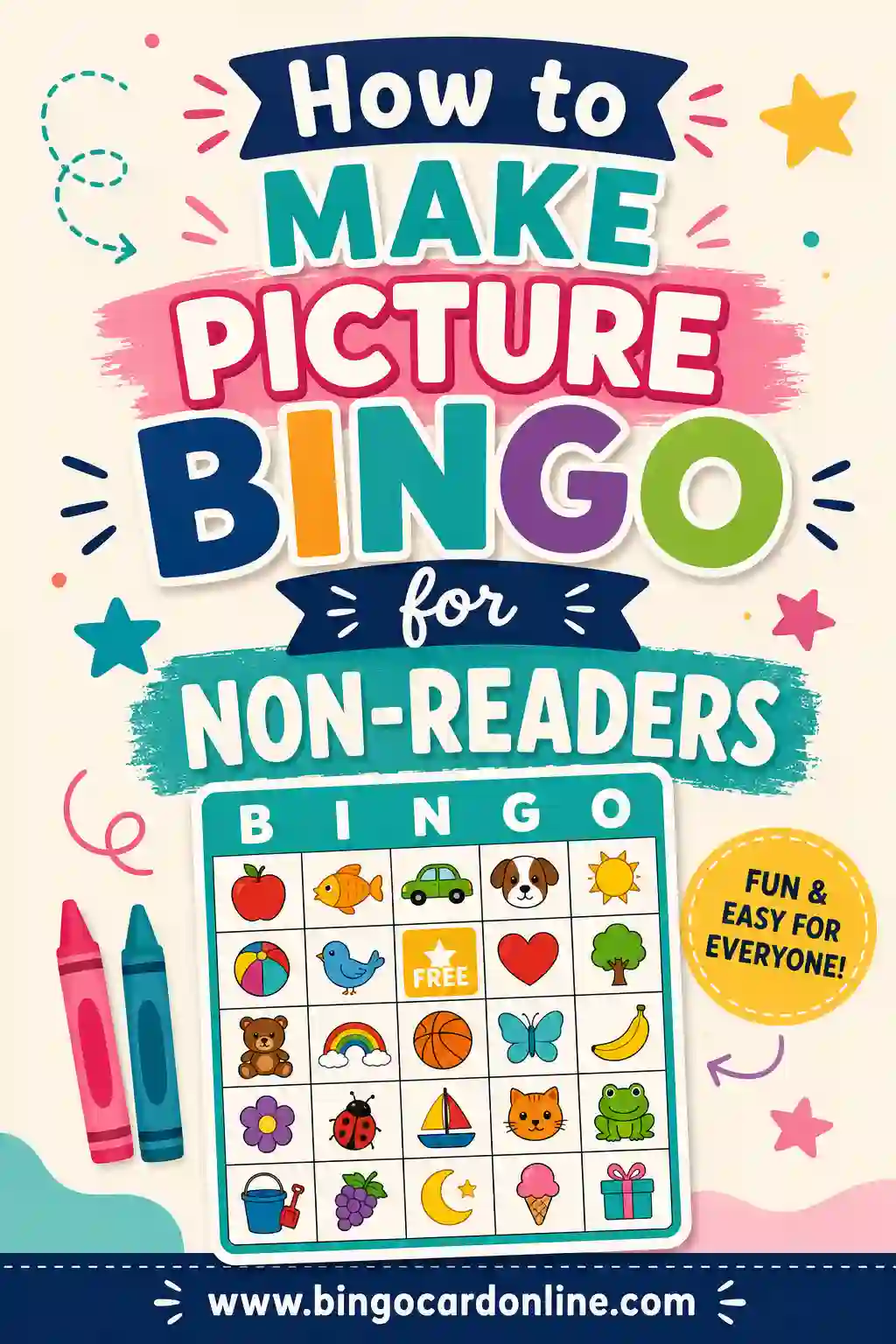
For preschool and kids who are just starting to read, the picture version uses simple emoji pictures like a sun, a cloud, a snowflake, a tulip, mittens and a calendar. There's no groundhog emoji, so the groundhog itself isn't on the card. Kids can color one in on the back instead. Our guide to making picture bingo for non-readers has more tips for little ones.
What is Groundhog Day? Quick facts to read with the calls
Groundhog Day is a fun weather tradition held every year on February 2. Here's the short version kids love:
- The legend: on February 2, a groundhog comes out of its burrow. If it's sunny and the groundhog sees its shadow, it scurries back inside, and that means six more weeks of winter. If it's cloudy and there's no shadow, spring will come early.
- Groundhog and woodchuck: two names for the same animal. It's a kind of marmot, a big ground squirrel.
- Hibernate: groundhogs sleep through much of the winter in their burrows. Their heartbeat and breathing slow way down to save energy.
- Burrow: a groundhog home is a set of underground tunnels with more than one entrance.
- Folklore: the idea comes from old European weather sayings about early February. German immigrants brought the tradition to Pennsylvania, where the groundhog took the place of the hedgehog or badger from the old stories.
- Why February 2? It's roughly halfway between the first day of winter and the first day of spring.
- Spring equinox: spring officially starts on March 20, 2027. That's about six and a half weeks after Groundhog Day, so, fun fact, there are roughly "six more weeks" of winter either way.
Is the groundhog ever right?
Not very often, honestly. A groundhog can't really predict the weather, and when weather scientists have looked back at past predictions, the groundhog has been right less than half the time. That makes it a great teaching moment: talk about the difference between folklore and a real weather forecast.
Groundhog Day bingo activities for the classroom
- Shadow or no shadow? Before you play, let each child predict. Make a quick class graph, then check the weather outside your own window.
- Shadow tracing. On a sunny day, go outside and trace each other's shadows with sidewalk chalk in the morning and again after lunch. Talk about why they changed.
- Bingo as a word wall. Post the words before the game, and have kids read them aloud together.
- Weather journal. After the game, start a six-week weather log to see whether spring really comes early.
- Prize idea: the winner gets to "be the groundhog" and announce the class prediction.
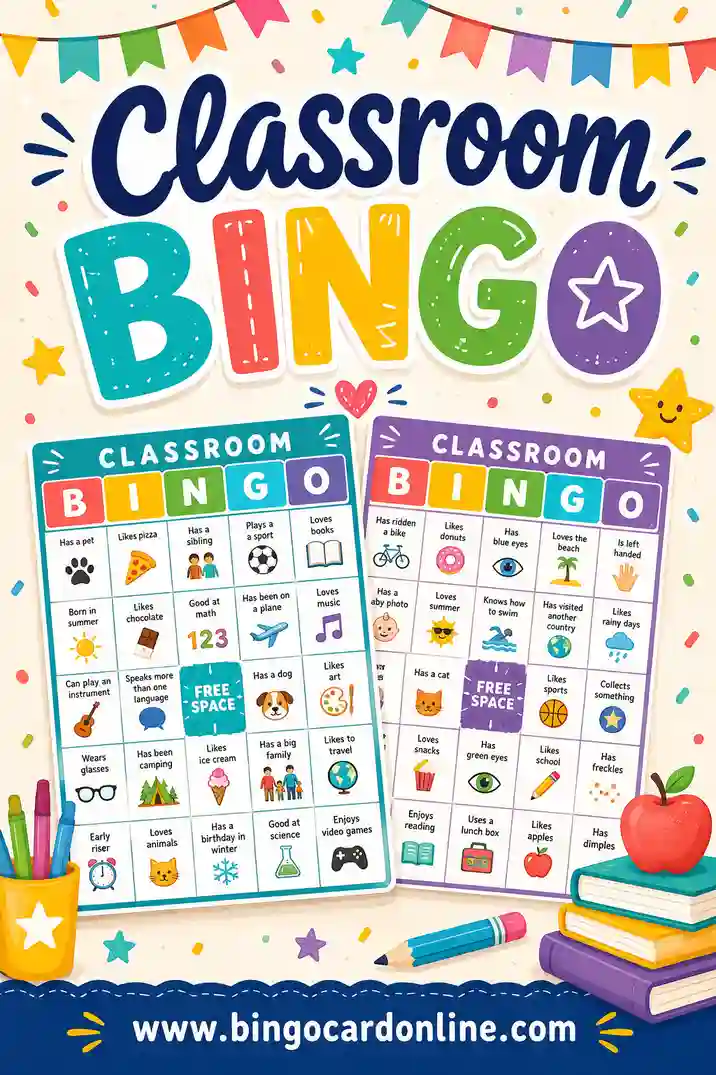
Want more February ideas? Snow day bingo and winter bingo cards both fit the season, and our classroom bingo guide covers running a game with a whole class.
How to play Groundhog Day bingo
- Print one card per child. Every card from the generator is unique.
- Cut the word list into slips and put them in a hat, or use the generator's caller.
- Call a word and add a fact. "Hibernate. That's a really long winter nap."
- Mark the squares with crayons, mini erasers or little paper suns and clouds.
- First to get a line wins. For K-2, any row, column or diagonal. For older kids, try four corners or a full card.
Common mistakes
- A card that's too big for little kids. Kindergarteners can lose focus on a 5x5 card. Use 4x4.
- Too few words. If the list is the same size as the card, everyone wins on the same call. Use at least 20 words for 4x4 and 30 for 5x5.
- Treating the legend as a forecast. Keep it fun, and use it to talk about how real forecasts work.
- Playing too long. A Groundhog Day round should take 10 to 15 minutes. If it drags, switch to the picture version or a smaller card.
▶ Make these Groundhog Day bingo cards (5x5)
Frequently Asked Questions
What words go on Groundhog Day bingo cards?
Try shadow, burrow, six more weeks, early spring, prediction, hibernate, woodchuck, forecast, sunshine, cloudy, winter, spring and February 2. Younger kids do best with short words like sun, cloud, snow and peek.
When is Groundhog Day 2027?
Groundhog Day 2027 is on Tuesday, February 2. It's on February 2 every year.
What does it mean if the groundhog sees its shadow?
By tradition, if the groundhog sees its shadow on a sunny February 2, there will be six more weeks of winter. If it's cloudy and there's no shadow, spring will come early.
Is Groundhog Day bingo good for kindergarten?
Yes. Use the 4x4 K-2 card with short words, or the picture version for kids who aren't reading yet. Keep rounds to 10 to 15 minutes.
Is the groundhog's prediction accurate?
Not really. When weather scientists have looked back at past predictions, the groundhog has been right less than half the time. It's a fun piece of folklore, not a forecast.
What are good Groundhog Day activities for kids?
Play bingo, make a class prediction graph, trace shadows with sidewalk chalk on a sunny day, and start a six-week weather journal to see whether spring comes early.