Hospital Waiting Room Bingo: A Printable to Pass the Time
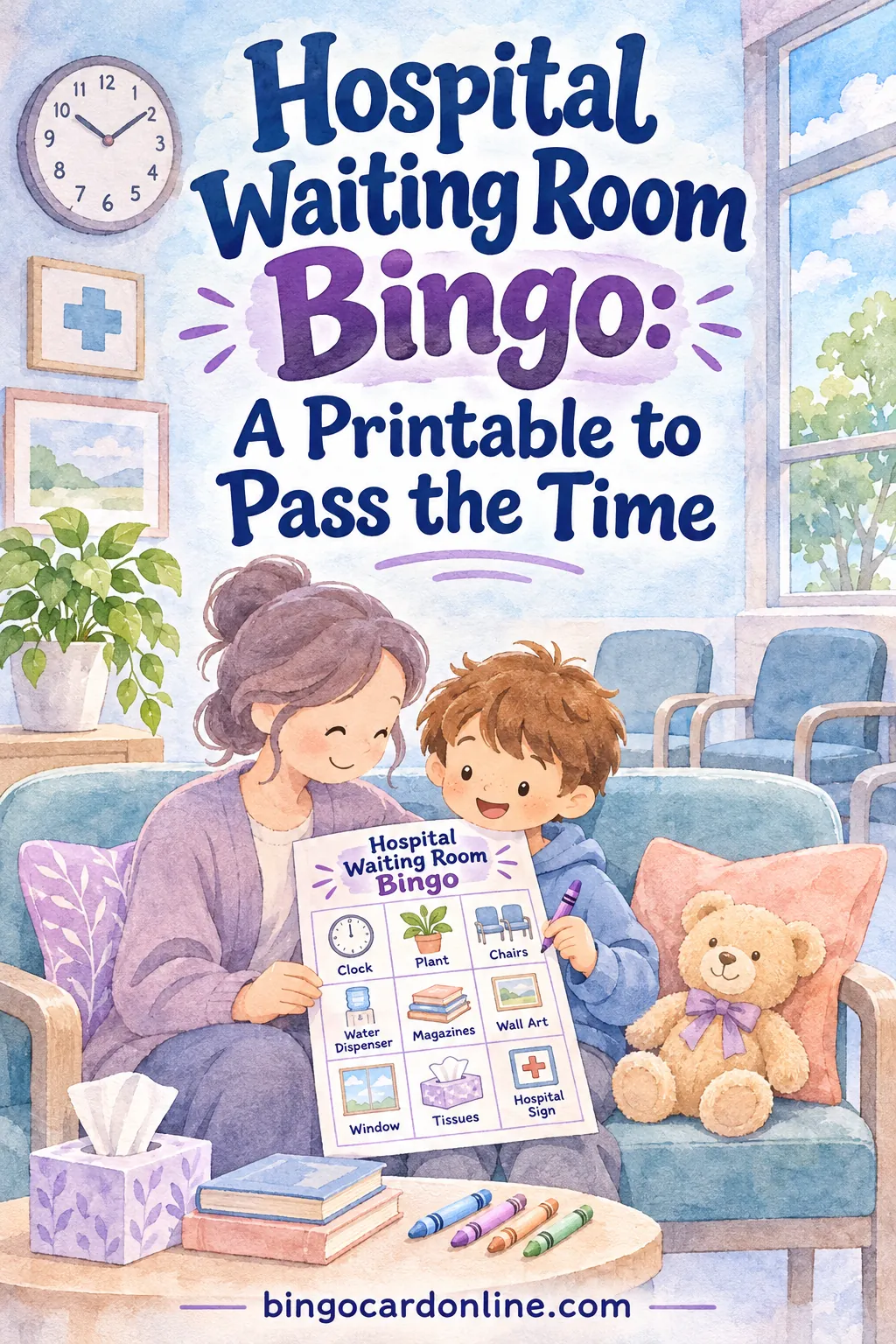
Waiting room bingo is a calm, quiet game where you look and listen for everyday things around you, like a clipboard, the vending machine, an elevator ding or a name being called, and mark them on a card. It gives a nervous child, or a worried grown-up, something gentle to focus on. You can make a card in a minute with the free bingo card generator, then print it or open it on your phone.
Below are square ideas for different kinds of waits, the best card size for each age, and a few house rules that keep the game kind and quiet.
Why Bingo Helps During a Long Wait
Waiting rooms are hard. The chairs aren't comfy, the clock seems slow, and there's often worry in the air. Kids pick up on that fast.
A simple game helps in a few ways:
- It gives busy eyes a job. Looking for the next square is a small, steady task.
- It's quiet. Nobody needs to talk loudly or move around.
- It needs almost nothing. One card and a pen, or just your phone.
- It can stop and start. If your name is called, you just pick it up again later.
It won't make a hard day easy. But it can turn a long, empty stretch into something a little lighter.
It helps grown-ups too
Bingo isn't only for kids. If you're sitting with an older parent, a partner or a friend, a 5×5 word card gives you both something to share besides the worry. You can play side by side, quietly compare cards, and laugh when the elevator dings for the tenth time.
It's also a kind thing to bring along for someone else. A few printed cards and a pen in your bag can help another family in the same room, if they'd like to join in.
Keep It Calm and Kind
A waiting room is a shared space, and some people there are having a tough time. A few simple rules keep the game friendly for everyone.
- Squares are things and sounds, not people. Look for objects, signs, colors and sounds. Don't make squares about other patients or how they look.
- No pointing or calling out. Mark quietly and show your card to your grown-up.
- Stay in your seat. Spot things from where you sit, or on the walk to the restroom.
- Use an inside voice for "bingo." A whisper or a thumbs-up is plenty.
- Clean hands after. If you share a pen, a quick squirt of hand sanitizer is a good habit.
These rules also make the game easier for small kids. There's no running around and nothing to argue about.
Square Ideas for Different Waits
Pick the list that fits where you are, then add a few things you can actually see.
| Where you're waiting | Square ideas |
|---|---|
| Hospital lobby or ER waiting area | Clipboard, vending machine, name called, elevator ding, map sign, wheelchair, rolling cart, welcome desk, exit sign, coffee cup, water fountain, hand sanitizer |
| Pediatrician's office | Fish tank, toy bin, height chart, sticker, balloon picture, puzzle, kids' book, tiny chair, bright rug, cartoon poster |
| Dentist | Toothbrush poster, smile picture, water cup, sunglasses, tooth sign, mirror, treasure box, fluffy chair |
| Eye doctor | Letter chart, frames on display, glasses case, bright light, mirror, mint-green chair, display shelf |
| Lab or clinic | Number ticket, sign-in sheet, TV screen, plant, window, clock, magazine rack, blue chair |
Sounds to listen for
Sound squares are great for kids who are tired of looking around.
- Elevator ding
- Phone ringing
- Name called
- Door opening
- Printer humming
- Footsteps
- Someone sneezes
- Keyboard typing
- Paper rustling
- Someone yawns
Colors and shapes
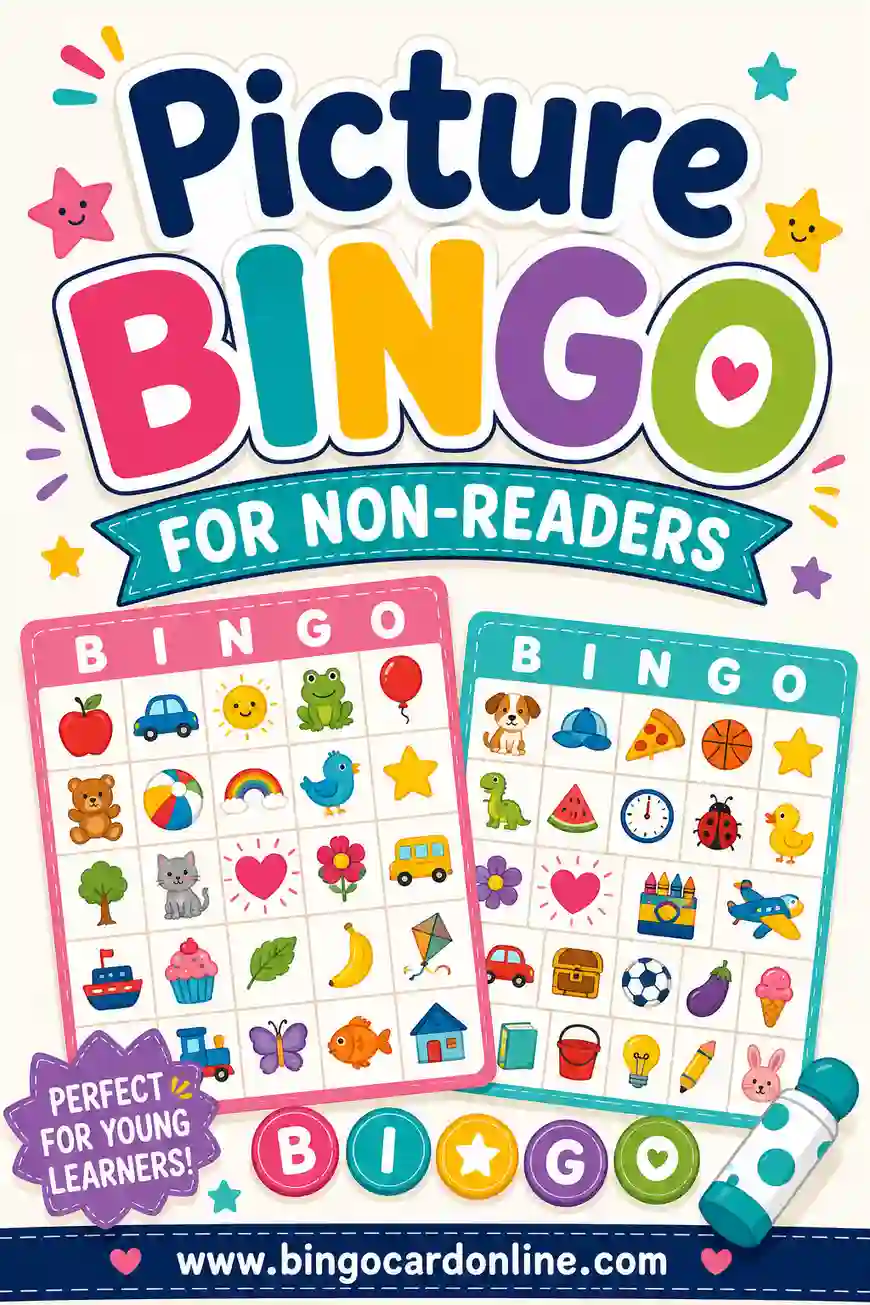
For little ones who can't read yet, try a color and shape card: something red, something round, a square sign, something striped, a green plant, a blue chair, a star, something yellow. It's easy to play and works anywhere.
Pick the Right Card for Each Age
Card size matters most when attention is short. Start smaller than you think.
| Age | Grid | Card type | How to play |
|---|---|---|---|
| 2 to 4 | 3×3 | Emoji or Photos | Point together and name each thing |
| 5 to 7 | 3×3 or 4×4 | Emoji or short words | Look for one line, then a full card |
| 8 to 12 | 4×4 or 5×5 | Words | Race a parent to a line or blackout |
| Teens and adults | 5×5 | Words | Quiet solo game, or a two-player race |
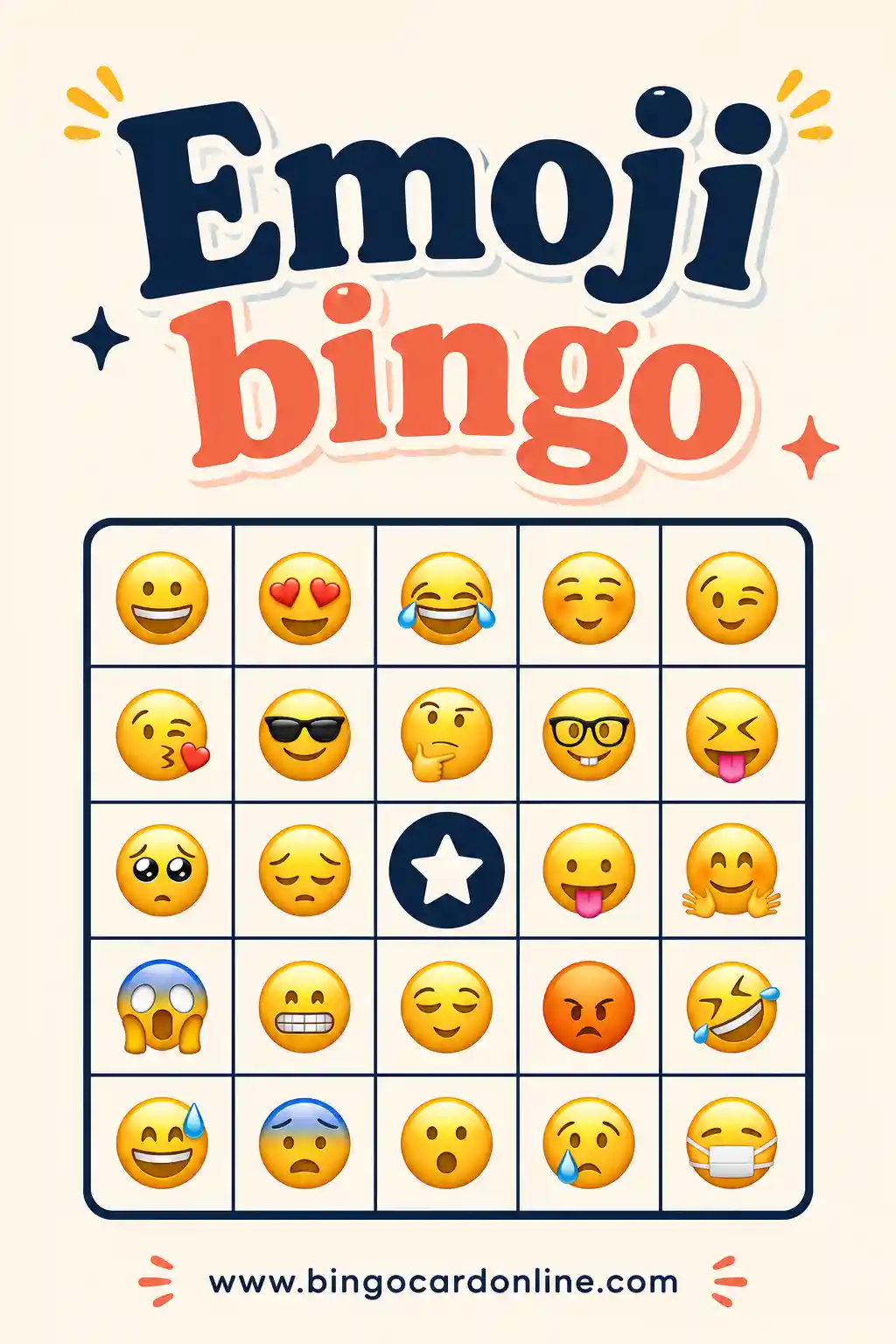
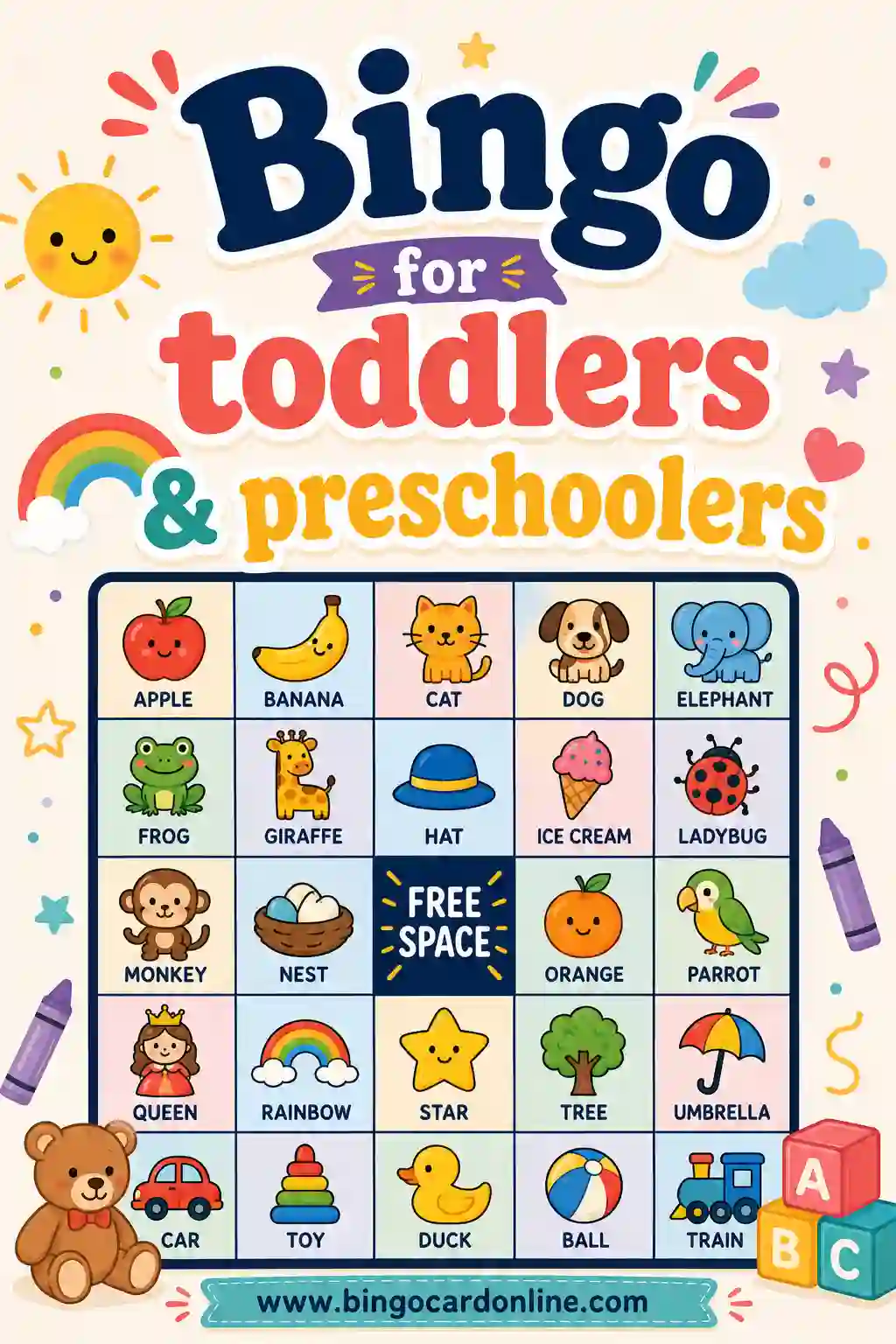
For the youngest kids, picture cards are the way to go. The guide to bingo for toddlers and preschoolers has more ideas for short attention spans, and emoji bingo cards work well for kids who can't read yet.
Paper or Phone?
Both work. Pick the one that fits your day.
Paper cards
If you know a hospital visit or appointment is coming, print a few cards at home and tuck them in your bag with a pen. Paper is easy for small hands, and kids like crossing things off. Bring a mix of card sizes, too. A quick 3×3 card is good for the first few minutes, and a bigger card is ready when the wait stretches on. Fold them in half so they fit in a coat pocket. Print two or four cards on one page, so you have a fresh card for every round.
Phone cards
If you're already in the waiting room, use your phone. Make the card in the generator and click Copy shareable link, then open it on your phone and tap squares to mark them. You can also send the link to another phone, so a sibling or a grandparent can play along from across the room.
Download PNG is handy too. It saves the card as a picture, so you can keep it on your phone for the next visit.
What to pack
A small waiting room kit fits in any bag:
- Two or three printed cards, folded flat
- A pen or a few crayons
- A clipboard or a hardcover book to press on
- A small bag of stickers to use as markers or prizes
- A phone charger, in case you play on screen
Keep the kit by the door, so it's ready when a visit comes up with no warning.
How to Make a Waiting Room Card With the Generator
Here are the exact steps on the bingo card generator.
- Card type. Choose Words for older kids and adults. Choose Emoji or Photos for little ones.
- Grid. Pick 3×3 for young kids, 4×4 for school-age kids and 5×5 for teens and grown-ups.
- Your squares. Type your waiting room things, one per line. Use the lists above, plus anything you can see right now. For 3×3, about 12 to 18 items is plenty. For 5×5, aim for 30 or more.
- Title. Something simple, like "Waiting Room Bingo" or "Doctor Visit Bingo."
- Number of unique cards. One per player. Add a couple of extras if you want fresh cards for later rounds.
- Cards per page. Choose 2 or 4 to save paper, or 1 for a big, easy card.
- Color theme. Ocean and Pastel feel calm. Ink-saver black and white is great if your printer is low.
- Print or share. Click Print / Save as PDF to print, or Copy shareable link to play on a phone.
On a 5×5 card, you can type a custom free-space label, like "You're doing great" or "Almost there."
Games for Very Long Waits
Some waits run for hours. When one card isn't enough, try these twists.
Make your own card
Let your child pick the squares. Older kids can type them into the generator on your phone. It's a game in itself, and kids love playing a card they made. Ask them to choose only things they can see from their chair. That keeps the card fair, and it gives them a reason to really look around the room.
Take turns calling
One person is the caller and says "I spy a clipboard." Everyone who has it marks it. Switch callers after each round.
Bingo and a story
When someone gets a line, they tell a short made-up story that uses all the squares in it. It's quiet, silly and can fill a lot of time.
Count the squares
If waiting for a full card is too long, try a counting game. Each player counts how many squares they've marked when the clock hits the hour. The highest count picks the next game. Nobody has to wait for a bingo, and everyone gets a turn to feel like a winner.
Know when to stop
Some kids need quiet more than games. If your child is tired, sick or upset, put the card away and just sit together. You can always pull it back out later. The game is there to help, not to add one more thing to do.
Save it for the drive
The same idea works on the way to the appointment or the trip home. See car bingo for road-ready squares.
Frequently Asked Questions
What is waiting room bingo?
It's a quiet bingo game where you look and listen for everyday things around you, like a clock, a clipboard or an elevator ding. You mark each one on your card. The first to finish a line or the whole card wins.
Is ER bingo okay to play in a hospital?
Yes, if you keep it calm and kind. Stick to objects, signs and sounds, never other patients. Play quietly in your seat, and stop if staff need your attention.
What's the best card size for a nervous child?
A 3×3 card with picture or emoji squares is easiest. Nine squares are quick to finish, which gives a small win and a sense of calm control. You can always play another round.
Can we play on a phone instead of paper?
Yes. Make the card in the generator and use Copy shareable link, then open it on your phone and tap squares to mark them. Download PNG also saves the card as a picture.
What should I put on a doctor appointment bingo card?
Look around the office and use what's there: the fish tank, the sign-in sheet, the height chart, a poster or the clock. Add a few sounds, like a phone ringing or a name being called. Keep every square calm and friendly.
What prizes can kids win?
Keep it simple. Picking the snack on the way home, choosing the next song in the car, or a sticker from your bag all work well. The real prize is a little fun on a long day.
Make a Card Before Your Next Visit
A long wait goes by more gently with a small game in your hands. Open the free bingo card generator, type a few calm squares, and print a card or save it to your phone before you go.