Bingo Markers Printable: Free Chips, Daubers & DIY Ideas
Bingo markers printable sheets are pages of small chips — circles sized to fit your bingo squares — that you print, cut out, and hand to players for covering called squares. They're the paper answer to plastic bingo chips: free, instantly replaceable, and matched to the cards they'll sit on. The free bingo card generator prints them for you with one click — after you build your cards, hit Print bingo markers / chips and you get sheets of markers that match your set.
Need markers for tonight? Open the free generator, make your cards, click the markers button, and print. Scissors optional but recommended. No sign-up, no cost.
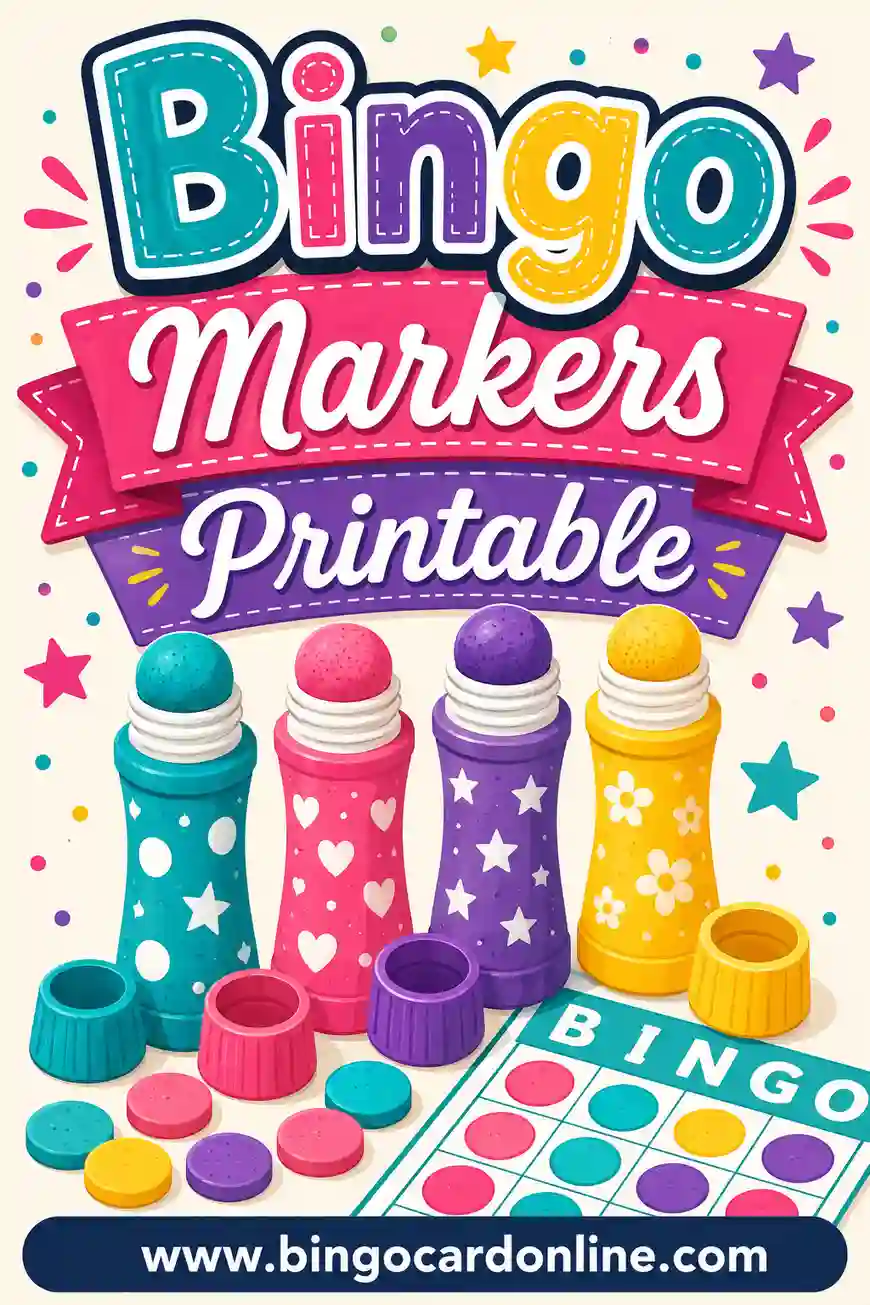
What Are Printable Bingo Markers?
They're flat, cut-out chips you place on a bingo square when its item gets called — the same job as the plastic discs in a boxed bingo set, minus the box and the price tag. A typical printable bingo markers sheet holds dozens of chips per page, so two or three pages cover a whole table of players.
Compared with the alternatives, paper markers hit a sweet spot:
- Versus daubers: markers don't ruin the card. Dab a square with ink and that card is done forever; place a chip and the card plays again next week.
- Versus crossing off with a pen: same reusability win, and no "wait, did I mark that or is it a smudge?" disputes.
- Versus plastic chips: free, printable at 11 p.m., and no crawling under the couch when the set comes up eight chips short.
The generator prints marker sheets alongside your cards, so the chips are sized for the squares they'll cover — no oversized poker chips hiding the word underneath.
Why Print Your Own Markers?
- They're free and infinite. Lost chips are a non-event: print another sheet. A class of 30 needs roughly 500 markers for blackout rounds — that math is painful at store prices and painless on paper.
- They match your game. Printed in the same session as your cards, sized to your grid, ready at the same moment.
- They keep cards reusable. Laminated cards plus paper chips (or any placed marker) means one print run of cards lasts a whole season of game nights.
- Kids can prep them. Cutting out marker sheets is a genuinely useful job for the eager helper who wants to be involved before the party.
How to Print Bingo Markers in 3 Steps
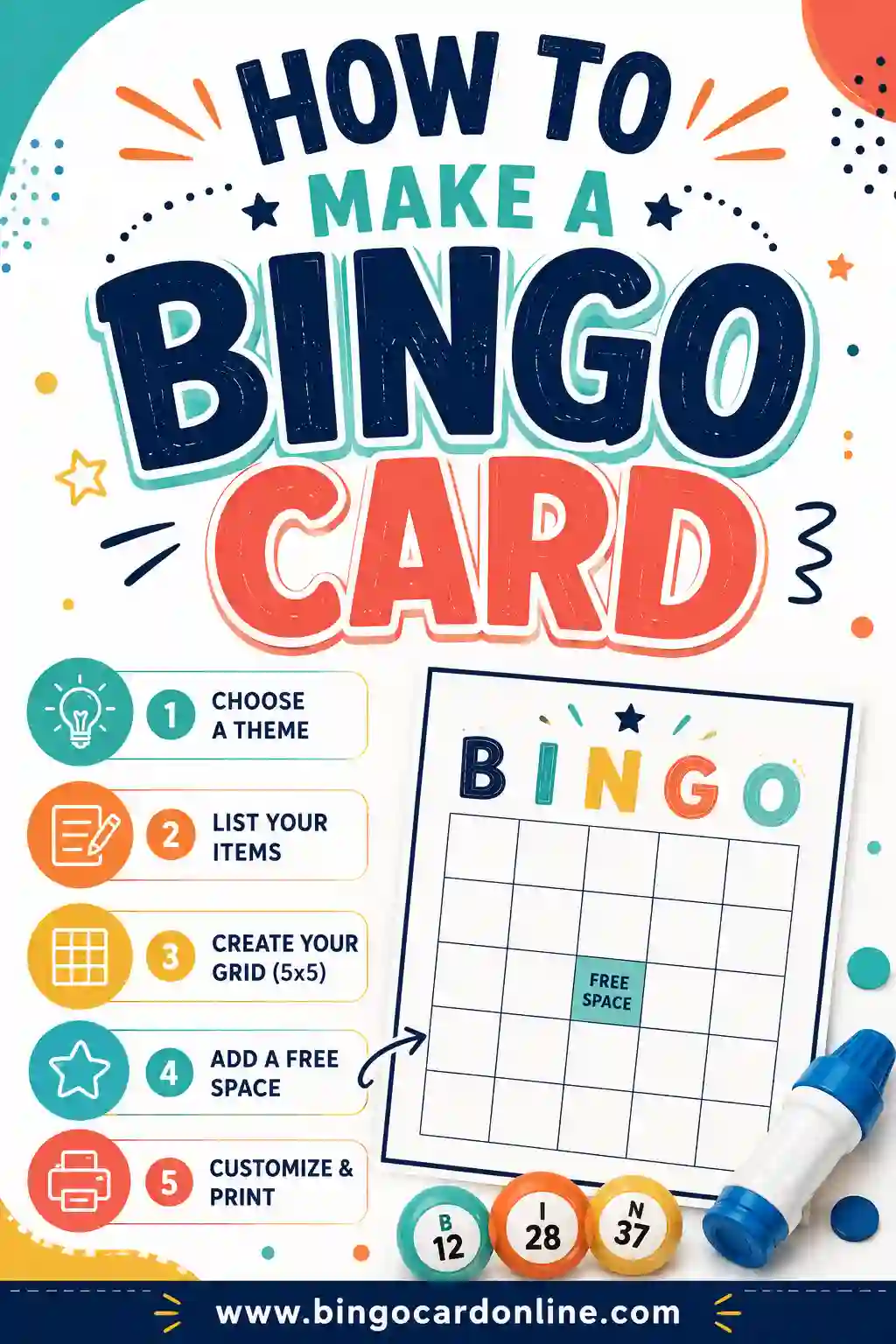
- Make your cards first. In the generator, build any card set — words, numbers, emoji, or photos, in 3x3, 4x4, or 5x5.
- Click "Print bingo markers / chips." The tool lays out sheets of round markers to match.
- Print and cut. Regular paper works; cardstock chips handle better and don't flutter off the card when someone bumps the table.
A paper cutter turns cutting into a two-minute job: slice rows, then stack and slice columns. Scissors work fine too — the chips don't need to be perfect circles to do their job. If you're prepping for a big group, recruit help: two people and one paper cutter can chip out a fifty-player game night during a single episode of whatever's on.
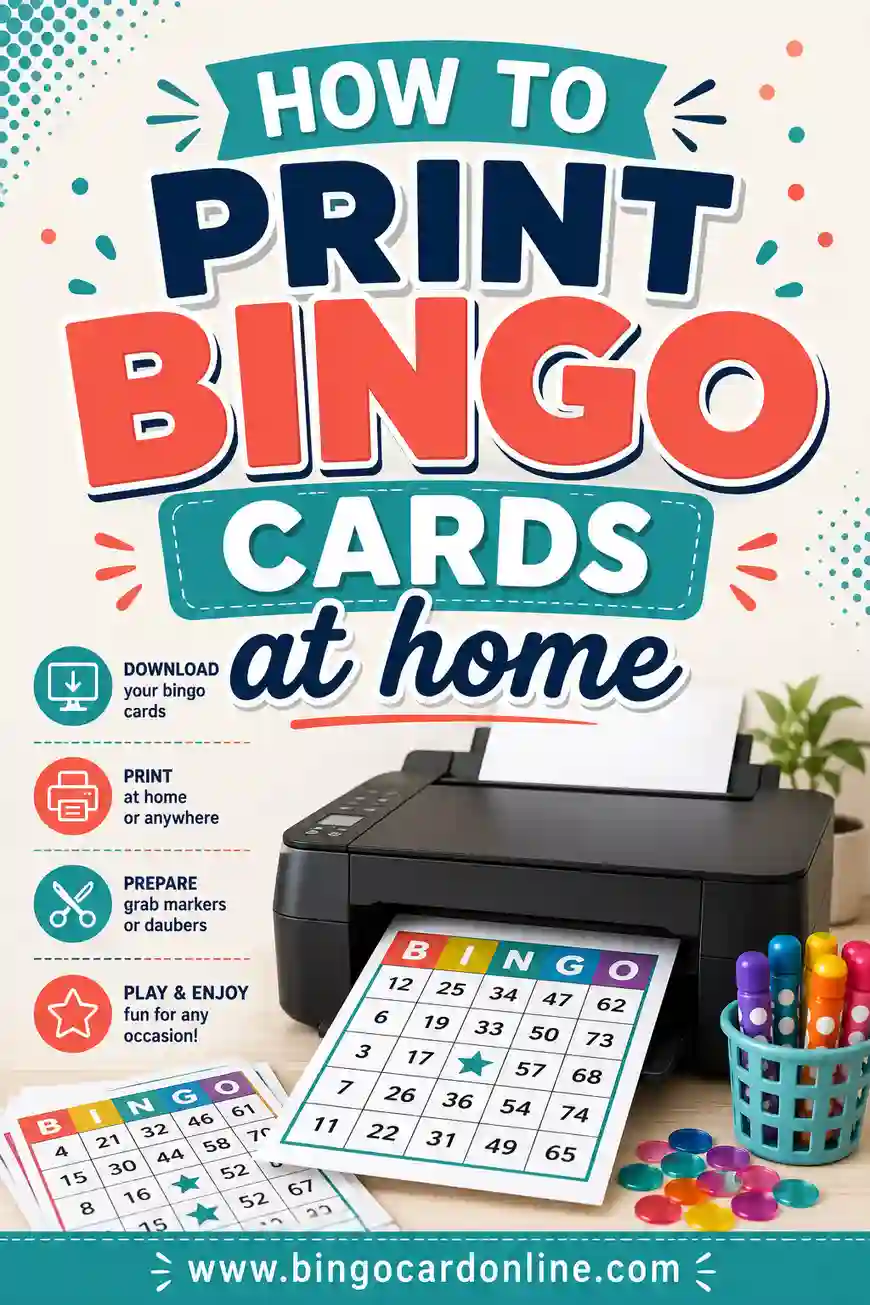
While you're in the print dialog, grab the master call sheet as well. Cards, markers, and call sheet is the complete kit; see how to print bingo cards at home for paper and settings advice.
How Many Markers Do You Need?
Quick math so you don't run short mid-blackout:
| Grid size | Squares per card | Markers per player (safe) | For 10 players | For 30 players |
|---|---|---|---|---|
| 3x3 | 9 | 10 | 100 | 300 |
| 4x4 | 16 | 18 | 180 | 540 |
| 5x5 | 25 | 25 | 250 | 750 |
The "safe" column pads a little for chips that wander. Blackout rounds use the most — every square gets covered — so print for the biggest game you'll play, and keep a spare uncut sheet in the box as insurance.
Household Markers That Work Just as Well
No printer ink? Half the charm of bingo is that almost anything small and flat can mark a square. Proven stand-ins, straight from church basements and kindergarten classrooms:
| From the Pantry | From the Junk Drawer | Fun & Edible |
|---|---|---|
| Dried beans | Buttons | M&Ms |
| Popcorn kernels | Pennies | Chocolate chips |
| Pasta shapes | Paper clips | Cereal (Cheerios) |
| Dry lima beans | Washers | Candy hearts |
| Coffee beans | Board-game pieces | Mini marshmallows |
| Lentils (tiny grids) | Poker chips | Goldfish crackers |
| Uncooked chickpeas | Milk-jug caps | Candy corn |
| Rice (emergency only) | LEGO studs | Raisins |
A few field notes:
- Edible markers are the kids' favorite and the game's biggest liability. The rule "eat them only after the round ends" lasts about four calls. Budget accordingly.
- Beans and buttons are the veterans — cheap, visible, heavy enough to stay put.
- Coins double as a prize. Play with pennies and the winner keeps the pot from their card.
- Match marker size to the grid. Big squares on a one-per-page card swallow lentils; quarter-page cards drown under milk caps.
- Themed markers are a two-minute upgrade. Candy corn in October, candy hearts in February, jelly beans at Easter — matching the marker to the season makes a free game feel curated, and the leftovers handle themselves.
Daubers, Dry-Erase, and Other Marking Styles
Placed chips aren't the only school of thought. Pick the style that fits your game:
- Bingo daubers. The bingo-hall classic — satisfying thunk, unmissable mark, single-use cards. Great for fundraisers where cards are sold per round anyway. A washable marker or crayon is the kid-friendly equivalent.
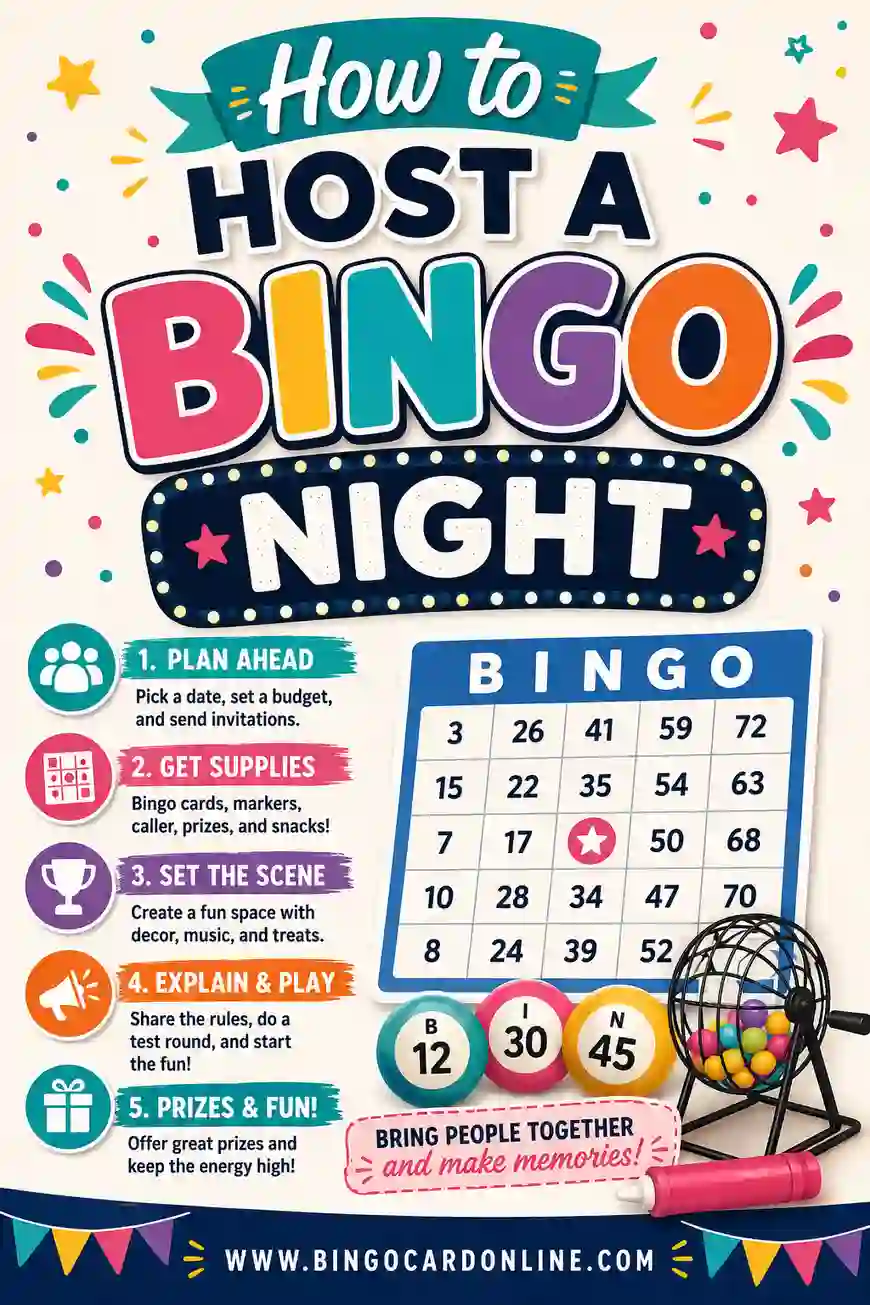
- Dry-erase on laminated cards. The reusability champion. Laminate one card set, mark with dry-erase, wipe between rounds. Pair with the built-in caller and hosting a repeat game night gets absurdly cheap — see how to host a bingo night.
- Paper chips. The flexible middle: cards stay clean, markers cost nothing, and you can reprint either half of the kit anytime.
One honest warning about placed markers: they slide. On a wobbly card table, a sneeze can un-mark three squares. If your crowd is bumpy — toddlers, party buses, competitive cousins — go with daubers, crayons, or dry-erase instead.
Who Printable Markers Are Great For
Teachers
A class set of chips disappears at a rate plastic can't afford. Print marker sheets each term, or park a bean jar on the shelf — either way, review bingo never stalls for supplies.
Party hosts
Matching cards and markers make a homemade game feel boxed-set official, especially with a color theme picked to match the party.
Church halls and senior centers
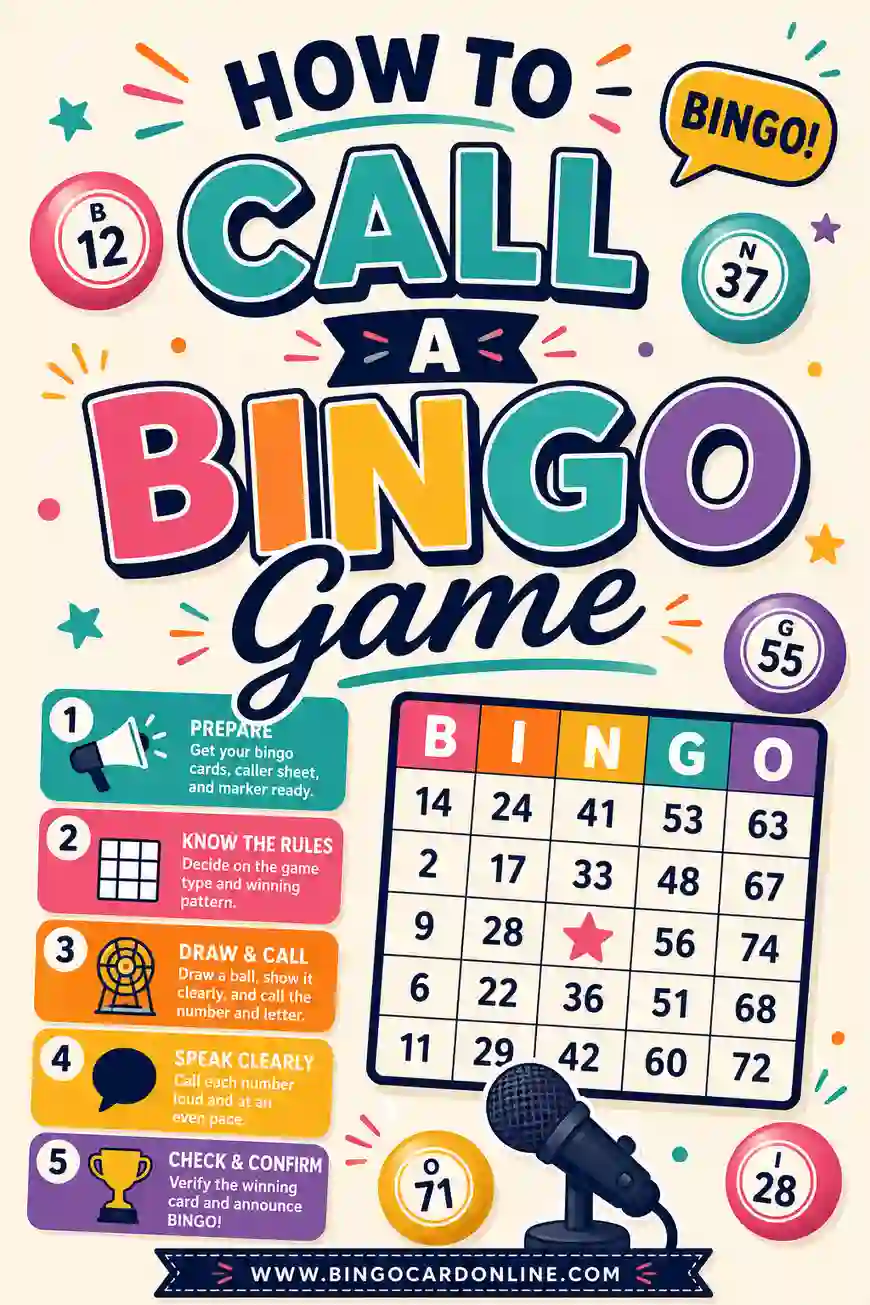
Big-print cards deserve big markers. Print chips large enough to handle easily, or stick with the beloved beans — some traditions shouldn't be optimized away. The caller matters more here: the how to call a bingo game guide covers pacing and voice.
Families
The complete free kit — cards, markers, call sheet — prints in one sitting and lives in a zip bag until game night. Total cost: paper.
Build a Complete Game-Night Kit (and Store It)
Markers are one third of a kit that costs nothing but paper. Here's the full assembly:
- Cards. Generate a themed set in the generator — one unique card per player plus spares.
- Markers. Click Print bingo markers / chips for matching sheets; cut and bag them.
- Call sheet. Print the master call sheet, or cut it into slips for a draw-from-a-bowl caller.
- Container. A gallon zip bag or a pencil box holds the whole game. Label it by theme ("Christmas set," "Sight words") and it's grab-and-go for next time.
Storage tips that save future-you some grief:
- Bag markers separately from cards — loose chips wedged between cards wrinkle both.
- A pill organizer or egg carton makes a surprisingly good per-player marker server at the table.
- Reprint before you run out, not after. When the bag looks thin, print one sheet and toss it in. The five-minute version of never being short.
- Keep the PDF. Save your cards and markers as PDFs and the whole kit reprints identically next season — same theme, same sizes, zero rebuilding.
Common Mistakes to Avoid
- Cutting markers before checking size. Print one marker sheet and one card first; confirm the chips sit inside the squares before mass production.
- Too few markers for blackout. A 5x5 blackout needs a chip for every square. Use the table above and round up.
- Slippery table, placed chips. Tablecloths help; dry-erase helps more. Match the marking style to the venue.
- Dark markers on dark cards. If you printed a bold color theme, make sure the chips contrast enough to spot at a glance.
- Daubing cards you meant to reuse. Decide before the first call: dauber cards are one-round cards.
- No spares. Chips migrate to the floor. Keep one uncut sheet in reserve.
Frequently Asked Questions
Are these bingo markers really free to print?
Yes. The generator prints marker and chip sheets at no cost, alongside your cards — no sign-up, no watermark, no limits. Reprint whenever the floor eats a batch.
What size are printable bingo markers?
They're sized to sit inside standard card squares from the same generator, so chips and cards match automatically. Printing cards bigger (one per page) and want bigger chips? Print the marker sheet at a larger scale in your print dialog.
What can I use instead of bingo markers?
Almost anything small and flat: dried beans, buttons, pennies, paper clips, cereal, M&Ms, or candy hearts. Crayons and dry-erase markers work too — see the marking-styles section for when to cross off instead of cover.
How many markers does each player need?
As many squares as their card holds, plus a couple of spares: about 10 for a 3x3, 18 for a 4x4, and 25 for a 5x5. Blackout rounds use every one.
Are paper markers better than a dauber?
Different jobs. Paper chips keep cards reusable and cost nothing; daubers are faster, more visible, and never slide — but the card is spent after one game. Fundraisers lean dauber, family game nights lean chips or dry-erase.
Can I print markers without making new cards?
The marker sheets print from the same tool as the cards, and the button is available whenever you're in the generator — so you can print extra sheets any time you're topping up an existing set.
Ready to Print Your Bingo Markers?
Open the free bingo card generator, build your cards, and click Print bingo markers / chips — in five minutes you'll have a complete matching kit: unique cards, a master call sheet, and a pile of markers your table can lose with pride. And if the printer dies mid-job, the bean jar has your back.