How to Host a Bingo Night: A Simple Guide
To host a bingo night, you need three things: a set of unique bingo cards (one per player plus spares), a way to call numbers or words, and some markers. Set up a table, hand out cards, call items one at a time, and the first player to complete a line wins. The fastest way to get the cards ready is a free bingo card generator that prints a unique card for everyone in minutes.
Short on time before the big night? Open the free generator, pick a theme or number set, and print your whole stack of unique cards. No software, no sign-up, no last-minute panic.
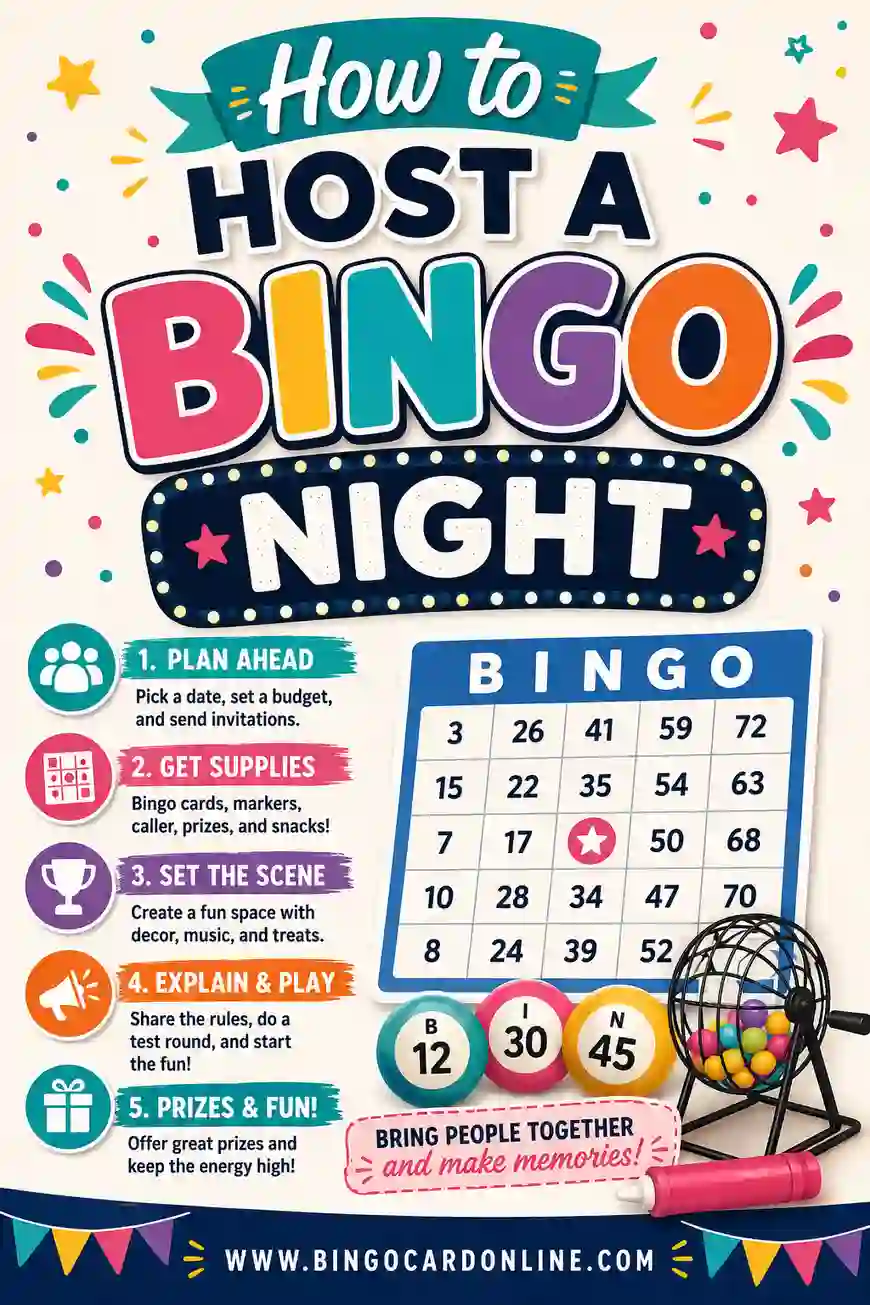
Bingo is gloriously low-budget. You probably have most of this already. Here's the full checklist:
- Bingo cards. One unique card per player, plus three or four spares.
- A caller's list. The full set of numbers or words you'll call from, in a bowl or on a sheet.
- Markers. Anything players can use to cover squares (more on this below).
- Prizes. Small and fun. They don't need to cost much.
- A caller. One person to read the items aloud and verify wins.
- A table and chairs. Somewhere players can sit and see their cards.
That's genuinely all it takes. The cards are the only piece that takes any effort to prepare, and the generator handles that for you in a couple of clicks.
Step 1: Plan Your Bingo Night
A little planning goes a long way. Before the night, lock down a few basics.
Pick your crowd and theme
Who's playing changes everything. A kids' party wants picture or word bingo with short games. An adult get-together can handle classic number bingo or a funny themed version. A holiday gathering might use seasonal words. Decide your audience first, then everything else follows.
Choose number or word bingo
Classic bingo uses numbers 1 to 75. But word bingo (holidays, movies, your friends' inside jokes) is often more fun for a casual crowd. Word bingo is also easier for kids and non-readers when you use pictures. Pick whichever fits your group.
Decide how long you've got
Several short games beat one long one for keeping energy up. Plan for the game length your grid size gives you, and aim to run a few rounds rather than one endless marathon.
Step 2: Make Your Bingo Cards
This used to be the hard part. Drawing dozens of unique cards by hand is slow and mistake-prone. Now it takes minutes.
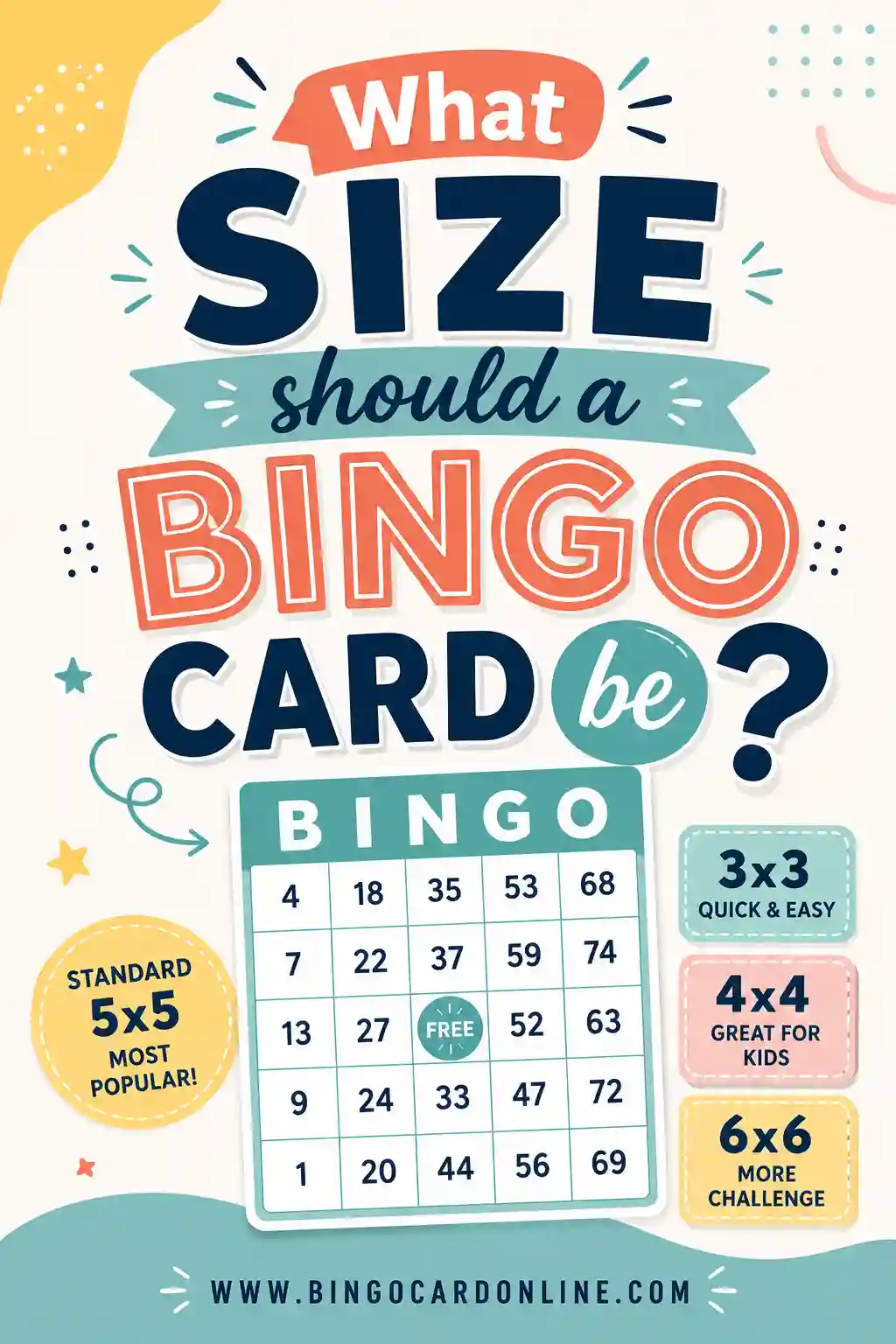
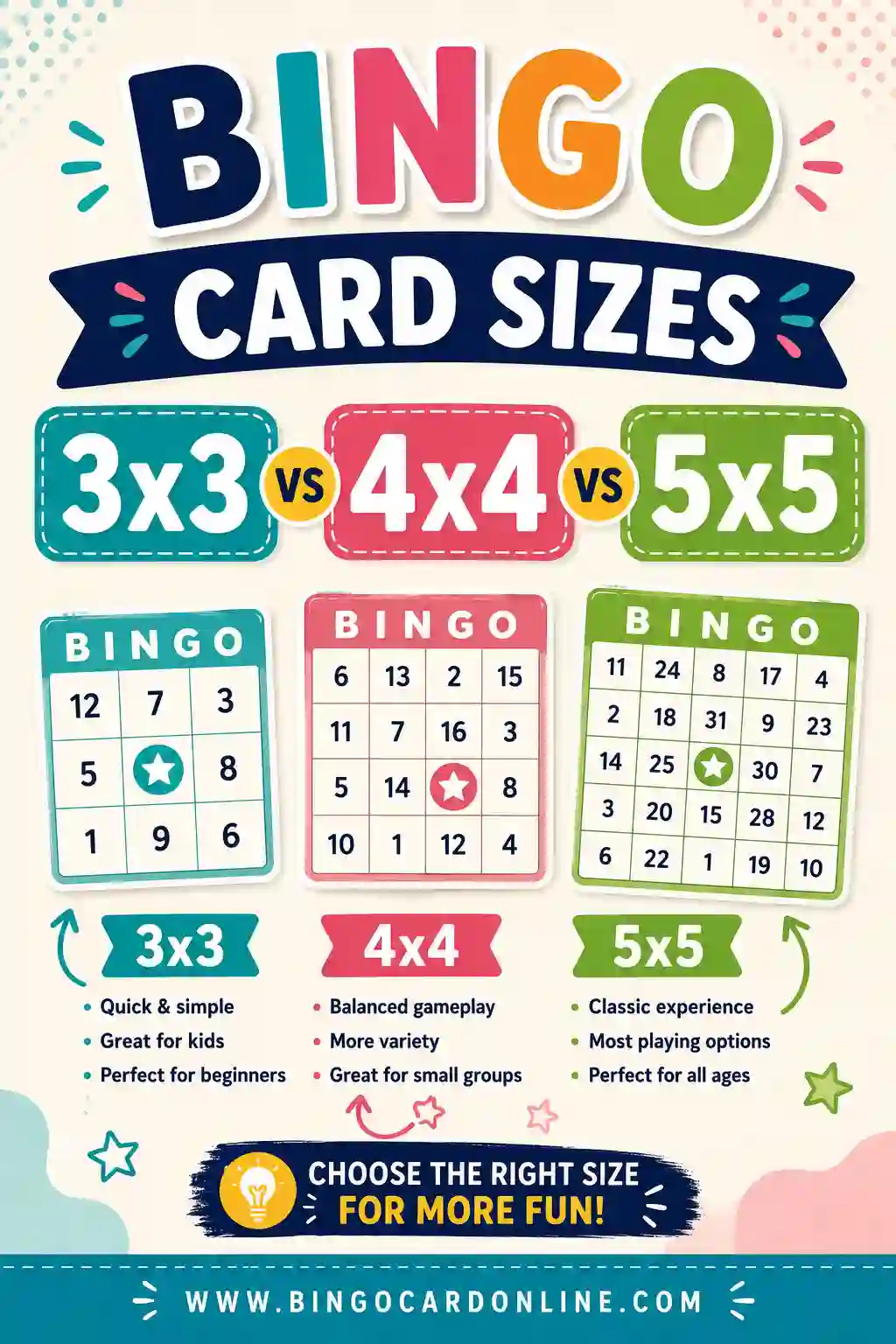
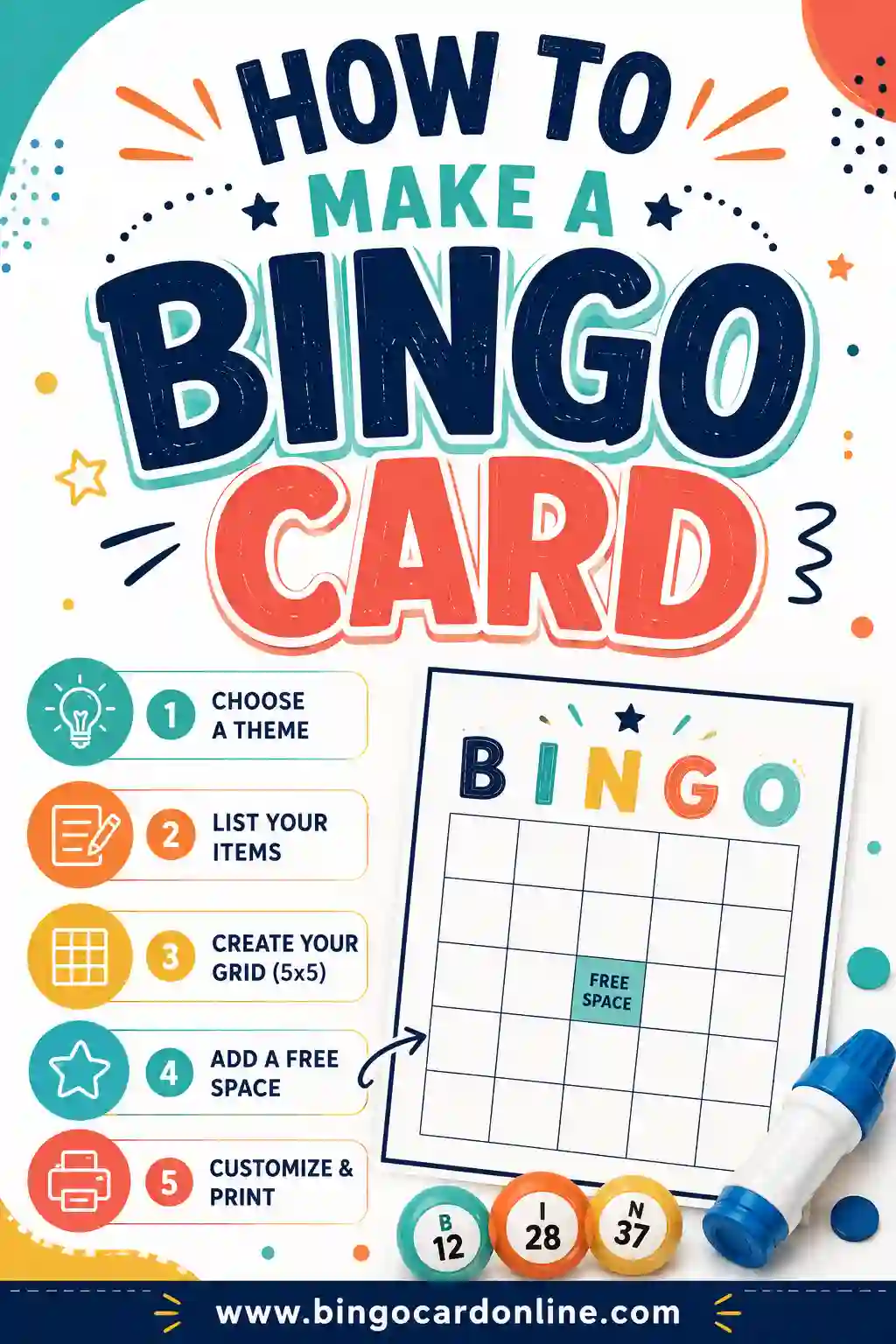
- Pick your grid size. 5x5 for adults, 4x4 for a quicker game, 3x3 for little kids. Our card size guide breaks down each option.
- Add your content. Type in your number range or paste a word list. Aim for plenty of items so every card comes out different.
- Set the count. Make one card per player, plus a few spares for latecomers.
- Print. Use cardstock if you want reusable cards, plain paper if it's one-and-done.
The generator shuffles your list into a unique layout for every card automatically, so no two players share the same grid. That's the single most important thing for a fair, fun game. If two cards match, both players win at once and the moment fizzles.
Step 3: Gather Your Supplies
While the cards print, round up everything else. Markers are the main thing, and you've got loads of options:
- Dried beans, buttons, or coins
- Bingo daubers (the inky kind)
- Pennies or poker chips
- Candy, like M&Ms or mini marshmallows (edible markers are a crowd favorite)
- A pen or pencil to cross squares off
For the caller, you need a way to pick items at random. Number balls are classic, but a bowl of paper slips works just as well. Write each number or word on a slip, fold them, and draw from the bowl. Keep the drawn slips in a pile so you can verify the winner later.
Step 4: Set Up the Room
Good setup makes the night run itself. A few small touches:
- Seat everyone so they can see the caller. A horseshoe or rows facing front both work.
- Give each player a card and a pile of markers within reach.
- Put the caller somewhere visible and audible. They'll be reading aloud for a while.
- Lay out the prizes where players can see them. A little visible reward keeps people motivated.
- Have a master list handy. The caller needs it to verify wins.
If you're hosting a big group, a microphone or even a phone on speaker helps the caller's voice carry. For loud rooms, consider showing each called item on a screen or whiteboard too.
Step 5: Call the Game
Here's where the host earns their keep. Calling is easy once you know the rhythm.
- Explain the win condition first. One line, four corners, or full blackout? Say it out loud before you start so nobody's confused.
- Draw and call one item at a time. Pull a slip, say it clearly, and pause a beat so players can scan their cards.
- Set drawn items aside. Keep them in order or in a pile so you can check a winning card.
- Repeat if asked. Someone always misses one. Repeat it once and move on.
- Verify the winner. When someone yells "Bingo!", read their marked squares against your drawn pile. If it checks out, they win.
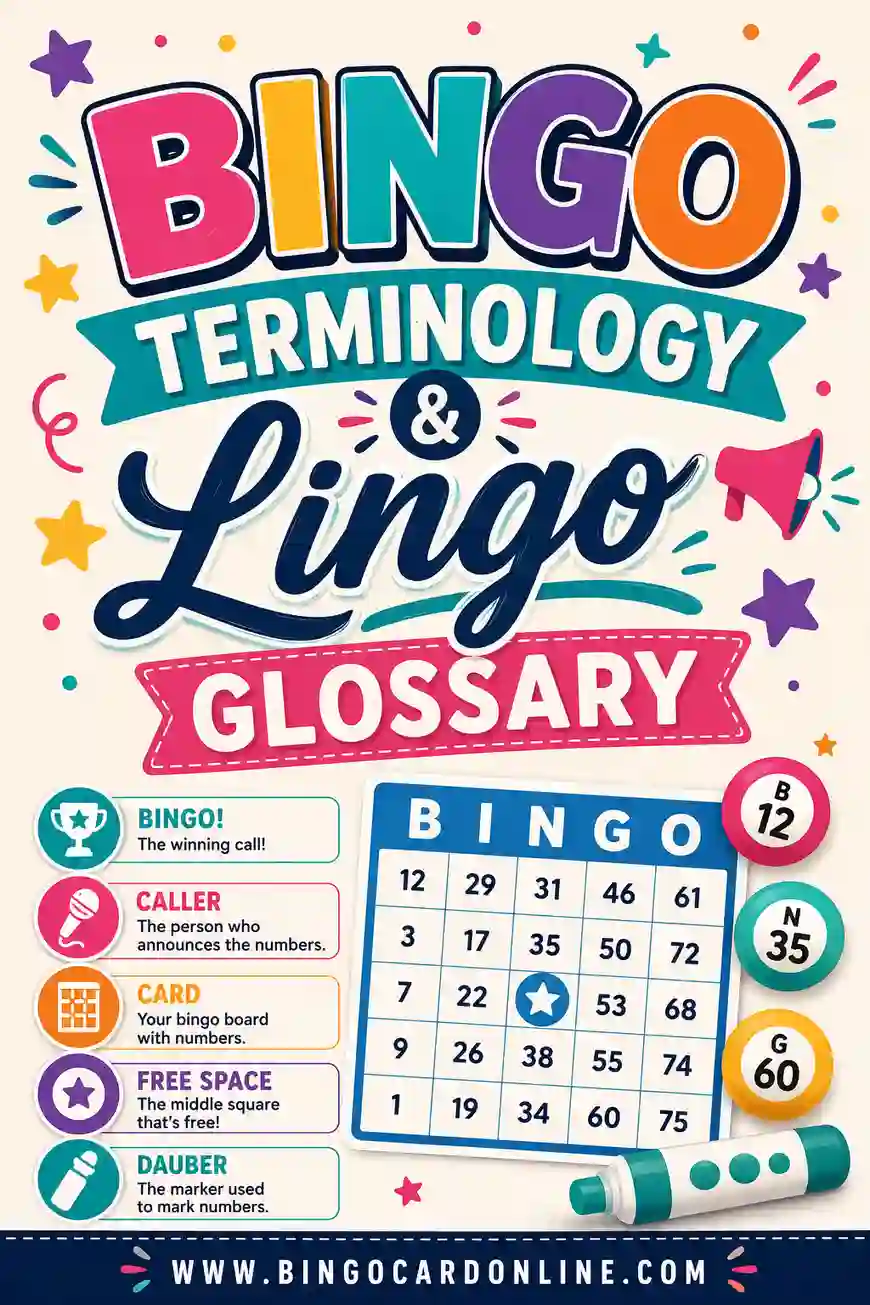
A good pace is one call every 10 to 15 seconds for adults, slower for kids. Want to sound like a seasoned caller? Sprinkle in some classic calls from our bingo lingo glossary, like "two little ducks" for 22.
Prize Ideas That Don't Break the Bank
Prizes make bingo feel like an event, but they don't need to be expensive. The fun is in winning, not the loot. Some crowd-pleasers:
For kids
- Stickers, small toys, or candy
- A "winner's crown" made of paper
- First pick of dessert
- Skip-a-chore passes
- Extra screen time or a later bedtime
For adults
- A bottle of wine or a fun snack
- A small gift card
- Bragging rights and a silly trophy
- "Winner picks the next movie"
- A homemade treat
A nice trick: have a few small prizes rather than one big one, so you can run several games and let more people win. Themed prizes (candy canes for holiday bingo, beach gear for summer bingo) tie the whole night together.
Bingo Night Variations to Keep It Fresh
Once the basic game gets familiar, switch up the win conditions to keep people on their toes.
| Variation | How to win | Best for |
|---|---|---|
| Single line | One row, column, or diagonal | Classic, quick games |
| Four corners | All four corner squares | Fast rounds |
| Picture frame | Every square around the edge | Medium-length game |
| Blackout | The entire card | Big payoff, longer game |
| X marks the spot | Both diagonals | A fun twist |
Mixing these up keeps a long bingo night from feeling repetitive. Announce the pattern before each round so everyone knows what they're racing for.
Tips for a Smooth Bingo Night
A few hard-won lessons that make the difference between chaos and a great night:
- Print spare cards. Latecomers and torn cards happen. Have extras ready.
- Use enough words or numbers. Too few and every card looks the same. Pad your list generously.
- Keep rounds short. Several quick games beat one slow slog every time.
- Match the grid to your players. Don't hand a 5x5 to a toddler. See our card size guide for the right fit.
- Track every call. If you don't keep your drawn slips, you can't verify a win.
- Keep prizes flowing. Lots of small wins keep everyone engaged.
Free Bingo Night Word List (Copy & Paste)
Hosting word bingo instead of number bingo? Here's a fun, all-purpose party list of 30 squares that works for almost any casual group. Pick 24 for a 5x5 (plus a free space) or fewer for smaller grids.
| Party & People | Food & Drink | Fun & Games |
|---|---|---|
| Balloon | Pizza | Dancing |
| Confetti | Cupcake | Music |
| Streamers | Popcorn | Karaoke |
| Banner | Lemonade | Charades |
| Candle | Pretzel | Trivia |
| Gift | Cookie | Selfie |
| Toast | Nachos | Photo booth |
| Cheers | Punch | High five |
| Sparkler | Ice cream | Laughter |
| Party hat | Cake | Applause |
Drop the whole list into the generator for maximum variety. The more items you include, the more unique each card becomes.
Frequently Asked Questions
What do I need to host a bingo night?
You need unique bingo cards (one per player plus spares), a way to call items at random, markers to cover squares, and a few small prizes. A caller reads the items aloud and verifies wins. The free generator handles the cards, which is the only part that takes real prep.
How many bingo cards do I need for a bingo night?
Make one unique card per player, plus three or four spares for latecomers or damaged cards. For 20 guests, print around 24. The generator lets you make as many unique cards as you want in a single batch, so spares cost nothing extra.
How do I call a bingo game?
Explain the win condition first, then draw and call one item at a time, pausing so players can scan their cards. Set each drawn item aside so you can verify the winner later. When someone calls "Bingo!", read their marked squares against your drawn pile to confirm.
What can I use as bingo markers?
Almost anything small: dried beans, buttons, coins, poker chips, or bingo daubers. Candy like M&Ms or mini marshmallows makes fun edible markers for casual nights. You can also just cross squares off with a pen if you don't mind single-use cards.
What are good bingo night prizes?
Keep them small and fun. For kids, think stickers, candy, or first pick of dessert. For adults, a snack, a small gift card, or silly bragging rights work great. Several small prizes beat one big one, since you can run more games and let more people win.
How long does a bingo night last?
It depends on grid size and how many rounds you play. A single 5x5 game runs 7 to 15 minutes, so a few rounds fill an hour nicely. Run several short games rather than one long one to keep energy and excitement high throughout the night.
Ready to Host Your Bingo Night?
You've got the plan, now you just need the cards. Open the free bingo card generator, pick your grid and theme, and print a stack of unique cards in minutes. It's free, there's no sign-up, and every card comes out different, so your bingo night is set to run smoothly. Print your cards, gather your markers, and let the first "Bingo!" ring out.