How to Call a Bingo Game (Caller's Guide)
To call a bingo game, you prepare a list of items, announce them one at a time at a steady pace, track each one you've called, and verify the winner's card when someone shouts "Bingo!" That's the caller's whole job, and it's easier than it looks. With a little prep, anyone can run a smooth, fair game.
Setting up a game? Open the free bingo card generator, print a unique card for each player, and you'll have a clean master list to call from. No sign-up, no software, and every card comes out different so the game stays fair.
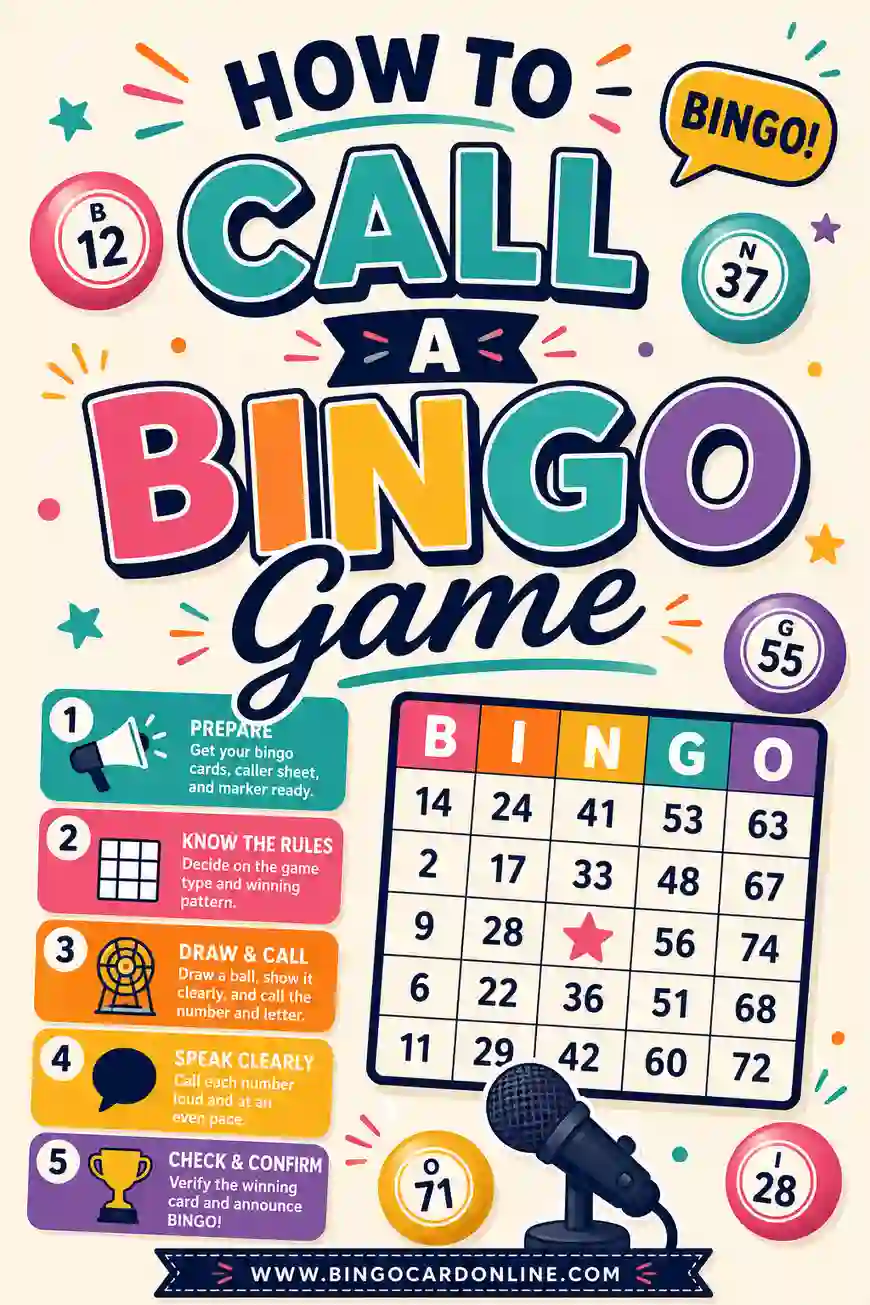
The caller is the host of the game. While everyone else marks their cards, you're the one pulling items, announcing them, and keeping the game honest. It sounds like a lot, but it boils down to four simple jobs.
- Announce items clearly, one at a time
- Set the pace so players can keep up
- Track calls so you can verify a win
- Check winners against your called list
Do those four things and you'll run a clean game. Let's break each one down.
Step 1: Prepare Your Call List
Good calling starts before the game. You need a master list of every item that's on the cards, and a way to pull them at random.
Two reliable methods:
- Slips in a bowl. Write each item on a slip of paper, fold them, and drop them in a bowl or hat. Pull one at a time. This guarantees randomness and gives you a clean way to track what's been called (just set used slips aside).
- A printed master list. Print the full word or number list, then cross off each item as you call it. Pick items in a random order, or work down the list if order doesn't matter for your group.
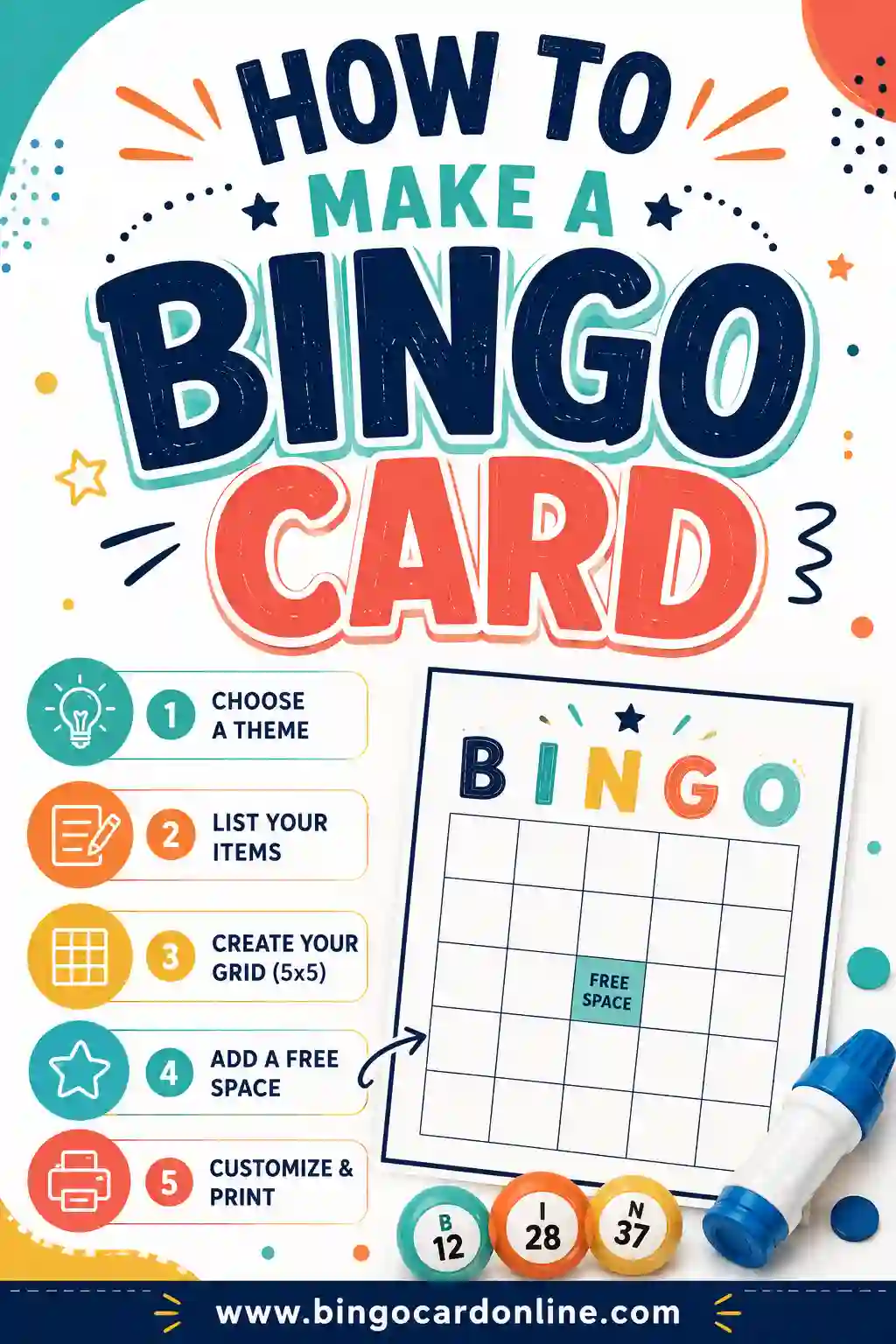
If you used a generator to make the cards, your call list is already set, it's the same word list you fed in. Learn the full setup in how to make a bingo card.
Step 2: Announce the Pattern
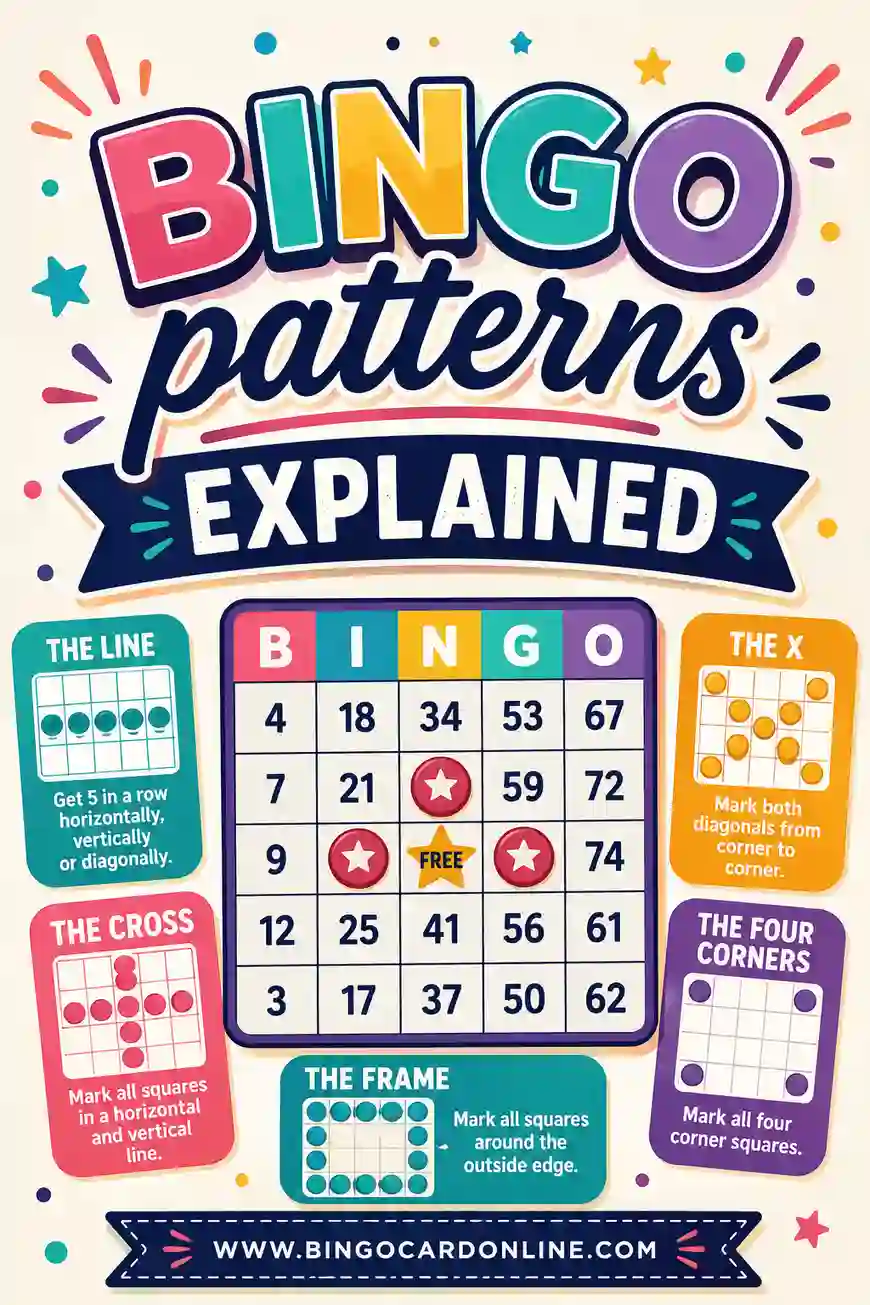
Before you call a single item, tell players what they're racing for. This is the winning pattern, the shape of marked squares that wins the round.
Say it loudly and clearly:
- "We're playing a single line today, across, down, or diagonal."
- "This round is four corners."
- "Last game of the night is a full blackout."
If you can, hold up an example card showing the pattern. It saves you from false calls later. Need a refresher on the options? See bingo patterns explained.
Step 3: Call Items Clearly
Now the game begins. Pull an item and announce it. A few habits make you easy to follow.
- Say it twice. Announce the item, pause, then repeat it. "Snowman... snowman." This helps anyone who missed it the first time.
- Speak slowly and clearly. Don't rush. Players need a moment to scan their cards.
- For number bingo, call the letter too. Say "B-7," not just "7," so players know which column to check.
- Pause between calls. Give everyone time to find and mark the square before moving on.
The goal is for every player to hear the item and have time to react. Mumbling or racing through leads to confusion and disputes.
Step 4: Set a Good Pace
Pacing is where new callers either shine or stumble. Too fast and players fall behind; too slow and the game drags.
Here's a rough guide by audience.
| Audience | Pace per call | Notes |
|---|---|---|
| Adults | 10–15 seconds | Steady and brisk |
| Tweens & teens | 15 seconds | Allow scanning time |
| Young kids (5–9) | 20–25 seconds | Slow and patient |
| Toddlers (2–4) | 30+ seconds | Help them find squares |
| Seniors | 20 seconds | Clear, unhurried |
Watch the room. If you see people still searching their cards, wait a beat longer. If everyone's marked and waiting, pick up the pace. You'll find the rhythm within a few calls.
Step 5: Track Every Call
This is the step beginners forget, and it's the most important one. If you don't keep a record of what you've called, you can't verify a win.
Pick one method and stick to it the whole game:
- Set aside used slips in a separate pile as you pull them.
- Cross items off your printed master list with a pen.
- Keep a tally sheet if you're calling numbers, marking each one as it comes up.
Whatever you choose, never skip it. When someone calls "Bingo!", this record is how you confirm their card is legit.
Step 6: Verify the Winner
When a player shouts "Bingo!", pause the game and check their card. Don't just take their word for it, a quick verification keeps the game fair and friendly.
- Ask them to read back their marked squares, or walk over and look.
- Check each marked square against your called list. Every marked item must have actually been called.
- Confirm the pattern matches. Make sure their marked squares form the agreed shape, not just any line.
- Declare the winner if it checks out. If it doesn't, no harm, the game simply continues.
A false call isn't a big deal. Just say "not quite, keep playing" and move on. Nobody should feel embarrassed.
A Sample Call List to Practice With
Want to practice calling before the real game? Here's a ready-to-use list of 30 squares you can copy straight into the generator and call from.
| Column A | Column B | Column C |
|---|---|---|
| Lion | Drum | Cherry |
| Tiger | Flute | Lemon |
| Bear | Piano | Grape |
| Wolf | Violin | Peach |
| Fox | Trumpet | Plum |
| Deer | Guitar | Melon |
| Owl | Banjo | Berry |
| Hawk | Harp | Mango |
| Seal | Cello | Kiwi |
| Otter | Bell | Fig |
Print a few cards, drop these items in a bowl, and run a practice round solo or with family. By the second game you'll feel like a pro.
Tips to Sound Like a Pro Caller
The best callers make the game fun, not just functional. A few extra touches go a long way.
- Add a little flair. Traditional callers use rhymes ("two little ducks, 22"). You can borrow these or invent your own for laughs.
- Keep energy up. A warm, lively voice keeps players engaged between calls.
- Stay neutral. Don't react to who's close to winning, it should feel fair to everyone.
- Have a backup caller. For long sessions, swap so one person isn't stuck calling all night.
- Keep prizes small and rounds short. Several quick games beat one long slog.
You don't need to be a performer. Clear, friendly, and steady is more than enough.
Common Caller Mistakes to Avoid
A few easy slip-ups can throw off an otherwise smooth game. Watch out for these.
- Calling too fast. The number one beginner mistake. Slow down and pause between items.
- Not tracking calls. Without a record, you can't verify a win. Always cross off as you go.
- Mumbling the item. Say it clearly and repeat it once.
- Skipping the pattern announcement. Players need to know the target shape before they start.
- Taking "Bingo!" at face value. Always verify the card against your list and the pattern.
Dodge those five and your game will run clean from the first call to the final win.
Frequently Asked Questions
How do you call a bingo game step by step?
Prepare a list of items, announce the winning pattern, then call items one at a time at a steady pace. Track each call by setting aside slips or crossing items off a list. When a player shouts "Bingo!", verify their marked squares against your called list and the agreed pattern, then declare the winner.
How fast should you call bingo numbers?
For adults, call roughly one item every 10 to 15 seconds. Slow down to 20 to 30 seconds for young children and seniors so everyone has time to find and mark their squares. Watch the room and adjust if players are falling behind.
How do you keep track of bingo numbers called?
Pick one method and stick with it: set aside each slip after you pull it, cross items off a printed master list, or keep a tally sheet for numbers. This record is how you verify a winner, so never skip it.
Do you call the letter in bingo?
In traditional 75-ball number bingo, yes, call the letter and number together, like "B-7." The letter tells players which column to check. For themed word or picture bingo, you just call the word or describe the picture.
What do you say when calling bingo?
Announce each item clearly and repeat it once, like "Reindeer... reindeer." Some callers add traditional rhymes for fun, like "two little ducks, 22." Keep your voice warm and steady, and pause between calls so players can keep up.
How do you verify a bingo winner?
When someone calls "Bingo!", check their marked squares against the items you actually called, and confirm the squares form the agreed pattern. If every marked square was called and the pattern matches, they win. If not, the game simply continues.
Ready to Call Your First Game?
Now you've got the whole caller's playbook: prep your list, announce the pattern, call clearly, pace yourself, track every item, and verify the win. The last piece is the cards. Open the free bingo card generator, print a unique card for each player, and you'll have a ready-made call list too. It's free, there's no sign-up, and every card is different. New to the game? Pair this with how to play bingo: rules for beginners and bingo patterns explained. Now grab that bowl of slips and may you call a great game.