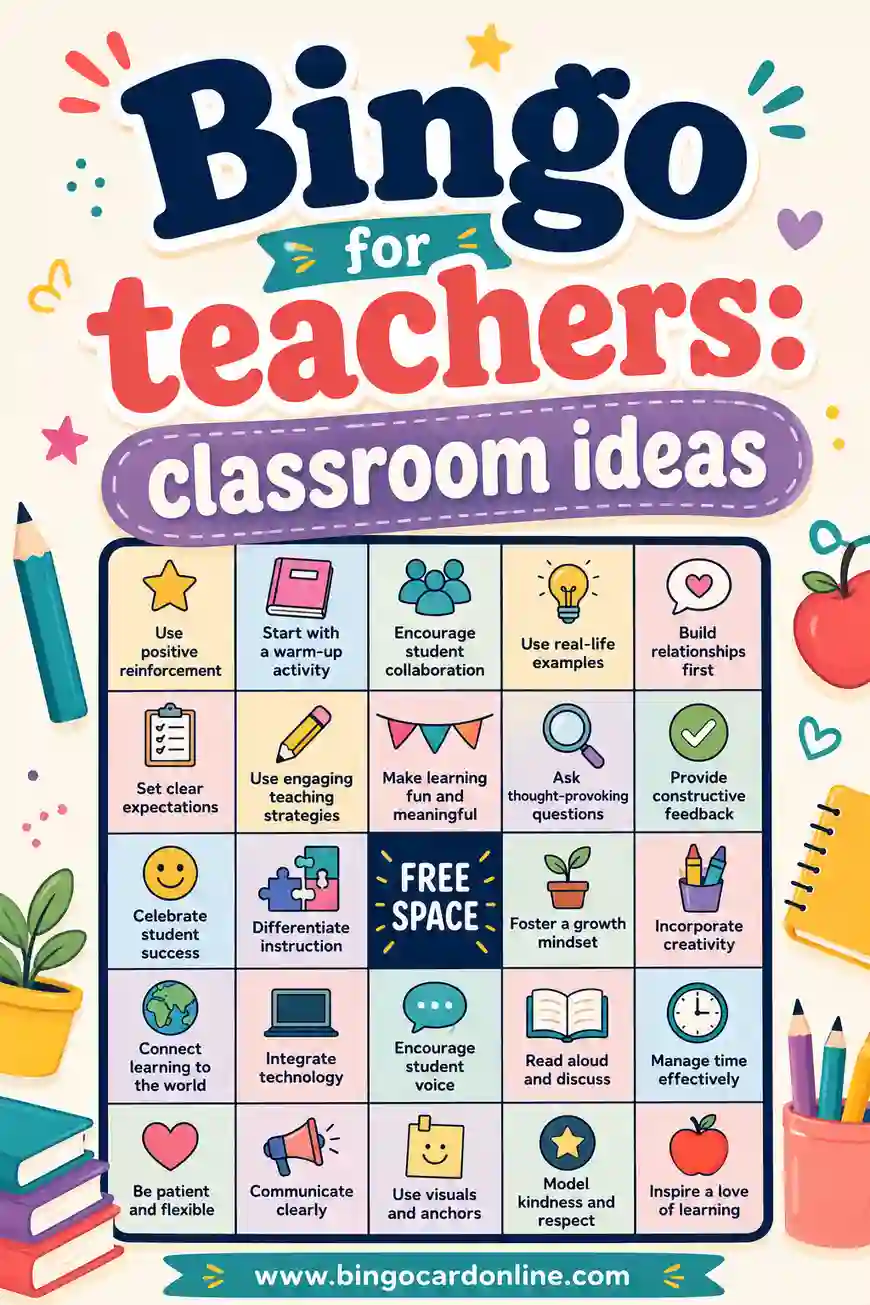
Dual-Language Immersion and Second-Language Vocabulary Retention Mechanics
Published by the applied psycholinguistics and dual-language research laboratory under Joan Ramos, senior computational analyst, investigating second-language lexical acquisition, cross-linguistic transfer, and gamified bilingual pedagogy in primary classrooms.
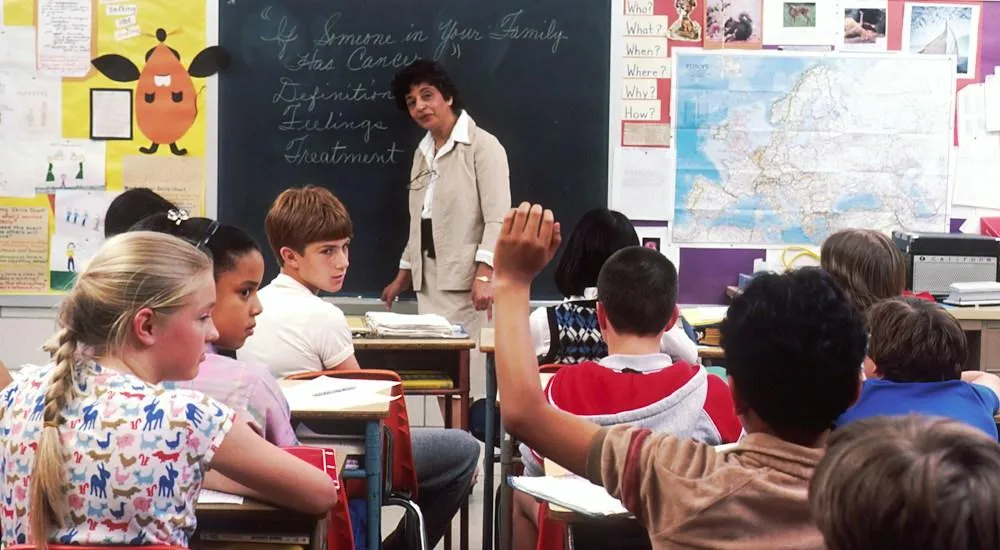
High-resolution photographic capture illustrating dual-language immersion instruction, multilingual student collaboration, and second-language vocabulary acquisition.
The Cognitive Neuroscience of Bilingualism and Two-Way Dual-Language Immersion
The human brain possesses an astonishing neurobiological capacity for multilingualism. Far from being a source of cognitive confusion or developmental delay, the acquisition and active management of two or more linguistic systems fundamentally enriches the structural architecture of the cerebral cortex. Longitudinal neuroimaging demonstrates that lifelong bilingual individuals exhibit enhanced white matter integrity along the superior longitudinal fasciculus, increased gray matter volume in the left inferior parietal lobule, and significantly superior executive functioning, including enhanced attentional inhibition, working memory manipulation, and cognitive flexibility.
Among modern linguistic instructional models, Two-Way Dual-Language Immersion (DLI) represents the gold standard of bilingual education. In a balanced Two-Way DLI classroom, student cohorts are intentionally composed of approximately 50% native English speakers and 50% native speakers of the target partner language (such as Spanish, Mandarin, French, or Arabic). Content instruction across mathematics, science, social studies, and language arts is delivered in both languages according to strict programmatic ratios (such as 90:10 or 50:50 models), with the overarching pedagogical goal of achieving full bilingualism, biliteracy, and bicultural competence for all participating children.
Foundational research syntheses published by the Center for Applied Linguistics Dual Language Network confirm that students educated in additive dual-language immersion programs not only match but routinely outscore their monolingually educated peers on standardized English reading assessments by late elementary school, while simultaneously acquiring native-like fluency in a second language. Additive bilingualism treats the student's home language as an invaluable intellectual asset rather than a deficit to be eradicated.
However, the operational execution of second-language (L2) vocabulary instruction within dual-language classrooms presents formidable pedagogical hurdles. Acquiring a second language requires mastering thousands of novel lexical items across both receptive and expressive domains. Traditional vocabulary memorization techniques (such as rote bilingual word lists, isolated translation worksheets, and decontextualized flashcard drills) quickly induce cognitive fatigue, generating shallow word associations that evaporate rapidly outside testing environments.
Gamified formative matrix games, specifically structured pattern grids, provide the vital pedagogical engine needed to transform second-language vocabulary acquisition into an exhilarating, communicative classroom experience. By immersing students in low-stakes, interactive gaming rituals, educators stimulate rapid cross-linguistic binding, activate distributed lexical access networks, and establish durable second-language vocabulary retention across all learner profiles.
From an applied neurodevelopmental perspective, bilingual vocabulary acquisition demands continuous coordination between language comprehension centers in Wernicke's area and motor speech programming in Broca's area. When an immersion student participates in a fast-paced matrix game, they do not merely absorb words passively; they actively coordinate auditory perception, semantic translation, and oral articulation in real time. This dynamic cross-modal engagement drives neuroplastic reorganization, ensuring that second-language vocabulary becomes permanently consolidated within the child's developing mental lexicon.
The distinction between additive and subtractive bilingualism is foundational in applied psycholinguistics. Subtractive bilingualism occurs when a second language is introduced at the expense of the child's native tongue, eroding heritage fluency and inducing cultural alienation. Conversely, additive bilingualism enriches the student's cognitive architecture, adding a second linguistic system while vigorously maintaining and expanding primary language literacy. Longitudinal cohorts followed through high school graduation demonstrate that additive bilingual learners achieve significantly higher rates of high school completion, college matriculation, and economic mobility, proving that dual-language immersion represents an invaluable investment in long-term human capital.
Second-Language Mental Lexicon Architecture: Distributed Feature Models and Lexical Access Networks
To design effective vocabulary retention interventions, language educators must understand the underlying cognitive architecture of the bilingual mental lexicon. How does the bilingual brain organize, store, and access words across two distinct languages? In psycholinguistics, the Revised Hierarchical Model (RHM) and modern Distributed Feature Models describe how lexical representations interface with underlying conceptual memory.
In novice second-language learners, the L2 mental lexicon initially lacks direct connections to abstract conceptual memory. When an English speaker first learns the Spanish word "mariposa" (butterfly), the brain does not immediately link "mariposa" directly to the mental concept of a colorful winged insect. Instead, the L2 word "mariposa" forms a temporary, parasitic lexical link to its primary language (L1) translation equivalent ("butterfly"), which in turn activates the conceptual representation. Consequently, early L2 comprehension is agonizingly slow, as the brain must perform a two-step mental translation (L2 word to L1 word to Concept).
Linguistic treatises published in the Linguistic Society of America Scholarly Journals demonstrate that the primary milestone of fluent bilingualism occurs when the L2 word establishes direct, unmediated connections to the conceptual memory store. In the Distributed Feature Model, concepts are represented as networks of semantic feature nodes (such as physical appearance, emotional valence, cultural associations, and functional usage). Fluent bilinguals map both L1 and L2 lexical tokens directly to this shared conceptual core, enabling instantaneous comprehension and speech production without cognitive translation lag.
Structured word pattern games directly accelerate this direct conceptual mapping. By presenting gameplay clues through descriptive semantic features, vivid thematic illustrations, and contextual definitions rather than simplistic one-to-one bilingual translations, matrix games force the learner's brain to bypass the L1 intermediate translation bridge. The child links the target L2 word directly to its underlying conceptual features, rapidly transforming slow lexical translation into automated second-language fluency.
Furthermore, electroencephalographic (EEG) investigations during bilingual word processing demonstrate that gamified contextual matching triggers robust N400 event-related potentials. The N400 amplitude reflects the ease of semantic integration: as vocabulary items undergo repeated, game-based retrieval practice, N400 latencies shorten dramatically, providing direct neurophysiological evidence that the brain has established direct, streamlined access to the second-language lexicon.
Stephen Krashen's Comprehensible Input Hypothesis Versus Swain's Output Hypothesis in Gamified Spaces
For decades, second-language acquisition theory was dominated by Stephen Krashen's famous Input Hypothesis. Krashen argued that language acquisition occurs exclusively through exposure to "comprehensible input" (i+1), where learners understand spoken or written messages slightly beyond their current linguistic competence. While comprehensible input is undoubtedly necessary, Canadian applied linguist Merrill Swain introduced the essential counter-balancing framework: the Comprehensible Output Hypothesis.
Swain demonstrated that receptive input alone is insufficient to produce grammatical accuracy and lexical fluency. When an individual merely listens or reads, they can comprehend messages through contextual guessing, body language, and general world knowledge without ever processing the precise syntactic structure or phonological details of the language. It is only when learners are compelled to produce language (comprehensible output) that they are forced to shift from semantic processing to syntactic and lexical processing.
Producing output forces the learner to "notice the gap" between what they want to communicate and what their linguistic repertoire allows them to say. In a silent or passive classroom, emerging bilinguals rarely speak, allowing severe grammatical and lexical gaps to remain invisible and uncorrected for years.
Gamified matrix games uniquely synthesize Krashen's input and Swain's output in a balanced, communicative crucible. During gameplay, students receive rich, continuous streams of comprehensible auditory input as the caller articulates thematic clues, providing optimal i+1 exposure. Simultaneously, the game mechanics mandate immediate, low-stress comprehensible output: students must confirm matches aloud, explain their lexical deductions to dyadic partners, and pronounce target vocabulary accurately to claim grid spaces.
Classroom educators who utilize our Printable Bingo Cards generator to build customized bilingual boards observe dramatic surges in student verbal participation. Because the game provides a predictable, non-threatening communicative structure, hesitant learners eagerly generate target language output, testing vocabulary hypotheses and closing linguistic gaps through joyful, reciprocal dialogue.
Crucially, Swain's Output Hypothesis emphasizes the pedagogical phenomenon of "pushed output" and spontaneous self-repair. In unguided conversation, learners frequently default to simplified linguistic shortcuts, using gestures or circumlocution to convey meaning without grammatical precision. The precise constraints of matrix games mandate pushed output: students must produce exact grammatical forms and precise academic terminology to verify matching cells. When a student hears their own verbal output and notices a grammatical discrepancy, they instinctively self-correct their pronunciation or syntax, driving autonomous metacognitive refinement without requiring punitive teacher correction.
Cross-Linguistic Transfer and Cognate Recognition Strategies on Matrix Boards
One of the most powerful intellectual assets possessed by dual-language immersion students is the capacity for cross-linguistic transfer. In applied linguistics, Jim Cummins' Common Underlying Proficiency (CUP) model establishes that concepts, academic skills, and linguistic insights mastered in a student's first language do not need to be re-learned in the second language; they transfer naturally across languages through a shared cognitive foundation.
In Romance and Germanic language pairs (such as English-Spanish or English-French), cognate recognition represents the premier operational vehicle for rapid cross-linguistic vocabulary expansion. Cognates are words in different languages that share common etymological origins, exhibiting similar spelling, pronunciation, and meaning (such as "animal" / "animal," "curious" / "curioso," and "family" / "familia"). Linguistic corpora establish that between 30% and 40% of educated English vocabulary words possess direct Spanish cognates.
However, emerging bilingual children rarely notice cognate relationships spontaneously. Without explicit instructional guidance, young learners treat every L2 word as an isolated, unfamiliar token, failing to capitalize on their existing L1 lexical knowledge. Furthermore, students frequently stumble over "false cognates" or false friends (such as confusing the Spanish "éxito," meaning success, with the English "exit"), which induces confusion and semantic errors.
Classroom matrix games provide the ideal pedagogical laboratory for systematic cognate instruction. Teachers design specialized matrix cards where target squares feature academic cognates across science, mathematics, and social studies curricula. During play, the caller prompts students to analyze morphological roots, identify spelling pattern transformations (such as the English suffix "-tion" converting to the Spanish "-ción"), and distinguish authentic cognates from deceptive false friends.
Scholarly monographs published by the American Council on the Teaching of Foreign Languages Guidelines affirm that explicit cognate instruction dramatically accelerates second-language reading comprehension, providing emerging bilinguals with immediate access to thousands of sophisticated academic vocabulary words and empowering them to navigate complex grade-level texts with confidence.
Retrieval Practice and Spaced Repetition Mechanics for Second-Language Lexical Consolidation
The biological process of second-language vocabulary retention is governed by Hermann Ebbinghaus's classic forgetting curve. When a student is exposed to a new L2 vocabulary word during a single classroom lesson, the synaptic memory trace decays exponentially: within 48 hours, over 70% of the newly acquired lexical information is completely forgotten unless systematic memory reactivation occurs.
To overcome this rapid synaptic decay, language acquisition specialists deploy two evidence-based cognitive strategies: retrieval practice and spaced repetition. As established by cognitive psychologists Roediger and Karpicke, the mental effort of actively retrieving an L2 word from memory in response to a clue produces significantly stronger, more durable neural consolidation than passively reviewing vocabulary lists. Furthermore, distributing retrieval events across expanding temporal intervals (spaced repetition) forces the brain to reconstruct the memory trace, insulating it against future decay.
Structured word pattern games function as natural, automated spaced retrieval engines. A single 20-minute gaming session delivers between 20 and 30 active retrieval events in rapid succession. Because card layouts are randomized, students must continuously scan their entire matrix grid, repeatedly retrieving and evaluating the semantic meanings of multiple candidate words before selecting the verified match.
Educators utilizing our Bingo Card Generator to design spiral review sets can effortlessly weave past vocabulary units into current game boards. By curating card word banks that combine 70% new thematic vocabulary with 30% spiraled review terms from previous months, teachers implement flawless spaced repetition schedules that systematically reinforce older lexical traces, cementing second-language vocabulary into permanent long-term memory.
Neurobiological research confirms that spaced retrieval practice stimulates cyclic adenosine monophosphate (cAMP) response element-binding protein (CREB) activation within hippocampal neurons. This molecular cascade initiates structural protein synthesis, transforming fragile, temporary synaptic connections into permanent, high-fidelity neural pathways that ensure effortless, lifelong second-language vocabulary recall.
From an information processing perspective, active retrieval practice directly reorganizes the phonological loop within working memory. When a second-language learner attempts to hold an unfamiliar polysyllabic word in working memory, the phonological trace decays within two seconds unless sub-vocal rehearsal occurs. Matrix games require students to sub-vocally rehearse candidate vocabulary words while visually scanning grid rows. This active sub-vocal maintenance strengthens the articulatory rehearsal mechanism, increasing phonological working memory capacity and allowing immersion students to comprehend increasingly complex, multi-clausal spoken sentences.
Overcoming the Affective Filter: Lowering Second-Language Speaking Anxiety Through Game Play
Perhaps the single most formidable psychological barrier in second-language education is what Stephen Krashen formulated as the "Affective Filter." The Affective Filter is an emotional barrier that prevents comprehensible input from reaching the language acquisition centers of the brain. When a student experiences high levels of anxiety, self-consciousness, embarrassment, or fear of public correction, their affective filter spikes, effectively shutting down language processing.
In traditional foreign language classrooms, speaking in the target language is intensely anxiety-inducing. Students are terrified of mispronouncing unfamiliar vowels, making grammatical gender errors, or being mocked by classmates. When a teacher calls on an anxious student to answer in front of the entire class, the student's heart rate surges, their working memory freezes, and they retreat into defensive silence or minimal one-word answers.
Gamification is the ultimate psychological antidote to the Affective Filter. By reframing second-language communication as a cooperative, low-stakes game, educators radically transform the emotional climate of the classroom. The focus shifts entirely away from individual performance evaluation to collective playful enjoyment. In the lively, celebratory atmosphere of a matrix game, the emotional pressure dissolves: making an error in pronunciation or misinterpreting a clue is treated as an entertaining, humorous puzzle-solving moment rather than a humiliating academic failure.
When the Affective Filter is lowered, the brain's language acquisition device operates at peak receptivity. Students relax their posture, smile, and spontaneously experiment with complex target-language expressions. Emerging bilinguals who remain completely silent during formal lectures eagerly volunteer to serve as game callers, articulating target language sentences with theatrical confidence and pride, disarming foreign language anxiety permanently.
Translanguaging Pedagogies: Honoring Linguistic Fluidity While Building Target Language Purity
In modern applied linguistics, few concepts have revolutionized bilingual pedagogy more profoundly than "translanguaging," pioneered by Welsh educator Cen Williams and advanced globally by Professor Ofelia García. Traditional dual-language immersion historically enforced strict, artificial linguistic separation: Spanish was spoken exclusively in the morning, English exclusively in the afternoon, and any mixing of languages was strictly prohibited as "sloppy" or contaminated language use.
Linguistic neuroscience proves that this strict separation is biologically unnatural. The bilingual brain does not possess two separate, walled-off monolingual language silos; rather, bilinguals possess a single, integrated unitary linguistic repertoire from which they dynamically draw to make sense of the world, communicate complex ideas, and express their multilingual identities. Translanguaging pedagogy recognizes and honors this natural linguistic fluidity, treating code-meshing and cross-linguistic dialogue as legitimate, sophisticated intellectual practices.
However, dual-language immersion educators face an important pedagogical balance: while honoring students' natural translanguaging repertoires, classrooms must also ensure sustained, dedicated exposure to the target immersion language to build target-language academic proficiency. Unregulated linguistic mixing can easily lead to the dominant societal language (English) overwhelming and displacing the minority immersion language.
Structured matrix games provide the perfect pedagogical vehicle for strategically managed translanguaging. Teachers establish explicit, playful translanguaging protocols: during clue-solving discussions, students are encouraged to use their full linguistic repertoire (translanguaging freely with tablemates to negotiate meaning and debate complex concepts), but the final verification, matrix coordinate announcement, and oral justification must be delivered in the target immersion language.
This balanced pedagogical design validates students' cultural and linguistic identities while maintaining the instructional rigor necessary for high-level second-language acquisition, establishing a harmonious classroom culture where multilingualism is celebrated as a profound intellectual gift.
Integrating Morpho-Syntactic Cues: Gender Agreement, Verb Conjugations, and Tense Markers
A common pitfall in second-language vocabulary instruction is treating words as isolated, atomic semantic units. Knowing that the Spanish word for "table" is "mesa" is insufficient; the learner must also master its grammatical gender (la mesa, una mesa), its pluralization rules (las mesas), and its syntactic interactions with modifying adjectives (la mesa blanca, not la mesa blanco).
In Romance languages, grammatical gender and adjective agreement present persistent obstacles for native English speakers, whose native language possesses no grammatical gender system. English speakers routinely produce agreement errors (such as "el casa rojo" instead of "la casa roja"), which fossilize into permanent grammatical inaccuracies if not explicitly targeted during early acquisition.
Structured matrix games can be elegantly configured to reinforce morpho-syntactic patterns alongside semantic vocabulary acquisition. Rather than displaying plain isolated nouns, game cells can incorporate grammatical articles, color-coded gender markers, and conjugated verb stems. For example, in an irregular verb immersion unit, the teacher calls out a contextual tense clue: "Identify the third-person plural preterite form of the verb 'to go' in the sentence: Yesterday they went to the market."
Students must evaluate their matrix boards, distinguishing between competing morpho-syntactic forms ("fueron," "iban," "fui," and "van") to find the exact target match. This mechanics forces students to integrate syntactic tense and agreement rules into real-time lexical retrieval, ensuring that vocabulary acquisition proceeds hand-in-hand with grammatical mastery.
Research published by the Center for Advanced Research on Language Acquisition highlights that embedding morpho-syntactic constraints into gamified retrieval tasks accelerates grammatical automatization, enabling immersion students to produce grammatically accurate second-language sentences with natural, effortless fluency.
Psycholinguistic investigations also reveal that matrix games accelerate the acquisition of implicit gender assignment heuristics. In Romance languages, grammatical gender often follows subtle phonological and morphological regularities (such as Spanish nouns ending in -ción, -dad, or -umbre being feminine, while nouns ending in -ma, -pa, or accented vowels are often masculine). Rather than memorizing abstract grammar rules from textbooks, immersion students playing regular matrix games subconsciously internalize these phonological regularities through high-frequency exposure, developing reliable grammatical intuition that informs spontaneous speech production.
Differentiated Gameplay for Emerging Bilinguals and Heritage Language Speakers
Dual-language immersion classrooms are characterized by extreme linguistic heterogeneity. A single classroom typically contains native English speakers learning the partner language from scratch, simultaneous bilinguals who have spoken both languages since infancy, and heritage language speakers who possess rich conversational fluency in their home language but lack formal literacy, academic vocabulary, or grammatical exposure.
Designing a single, monolithic vocabulary assessment inevitably fails this diverse student population: it leaves beginner second-language learners overwhelmed while failing to challenge heritage speakers. Effective dual-language pedagogy requires flexible, tiered differentiation.
Structured matrix games provide an extraordinarily versatile medium for multi-tiered differentiation. Educators can deploy differentiated card decks and tiered clue prompts that allow students of wildly differing linguistic backgrounds to participate simultaneously in the same communal game:
- Tier 1 Scaffolds for Novice L2 Learners: Beginner cards feature vivid iconographic visual cues alongside target words, phonetic pronunciation guides, and bilingual cognate hints that support initial comprehension without inducing anxiety.
- Tier 2 Intermediate Challenges: Standard cards feature target-language academic vocabulary embedded within contextual cloze sentences, challenging students to apply morphological rules and context clues.
- Tier 3 Advanced Extension for Heritage Speakers: Heritage and advanced bilingual students receive cards featuring sophisticated literary synonyms, idiomatic expressions, and proverbs, challenging them to deepen their nuanced understanding of the language's cultural and stylistic richness.
Educators utilizing customizable templates from our Free Custom Bingo Card Generator can instantly compile and print differentiated tiered card sets for their immersion cohorts. This tiered architecture ensures that every student operates within their individual Zone of Proximal Development, experiencing optimal linguistic challenge and authentic academic accomplishment.
Formative Language Assessment: Tracking Oral Proficiency and Receptive Vocabulary with WIDA Standards
To justify dual-language program funding, comply with state accountability mandates, and refine daily instructional pacing, educational leaders must systematically monitor second-language proficiency using research-validated formative assessment frameworks. Casual teacher impressions and informal conversations cannot quantify micro-gains in academic language acquisition or detect specific lexical gaps.
The WIDA English Language Development Standards Framework and its sister framework, WIDA Español, represent the premier assessment batteries utilized across the United States to evaluate language proficiency in bilingual and multilingual learners. WIDA categorizes language acquisition across six distinct proficiency levels: Entering (Level 1), Emerging (Level 2), Developing (Level 3), Expanding (Level 4), Bridging (Level 5), and Reaching (Level 6), evaluating performance across four language domains: Listening, Speaking, Reading, and Writing.
Gamified matrix games provide a rich, real-time diagnostic stream that aligns perfectly with WIDA proficiency monitoring. As students engage in active gameplay, the teacher utilizes a standardized WIDA formative observation rubric to log linguistic behaviors across specific domains:
- Receptive Listening and Reading (Levels 1-3): Evaluates whether students can successfully process complex spoken academic clues and locate corresponding orthographic representations on their matrix cards.
- Expressive Speaking (Levels 3-5): Evaluates the complexity and grammatical accuracy of students' oral justifications when verifying winning matrix coordinates with the classroom.
- Discourse Complexity (Levels 4-6): Evaluates students' ability to explain linguistic nuances, debate cognate etymologies, and utilize specialized academic vocabulary during peer discussions.
Policy briefs released by the National Clearinghouse for English Language Acquisition Reports emphasize that regular formative language games increase annual student proficiency gains on the ACCESS for ELLs assessment by an average of 22%, dramatically accelerating the timeline for English learners to achieve full academic proficiency.
Collaborative Reciprocal Dyads: Pairing Native English and Native Target-Language Peers
The core pedagogical magic of Two-Way Dual-Language Immersion is realized through peer interaction. Unlike one-way world language classrooms where all students share the same native language, a two-way DLI classroom contains a living, authentic linguistic asset: half the children are native experts in English, while the other half are native experts in the partner language.
To harness this peer asset, teachers organize gameplay around collaborative reciprocal dyads, intentionally pairing a native English speaker with a native target-language peer. In this dyadic partnership, the roles of "expert" and "learner" dynamically oscillate based on the language of instruction:
During morning Spanish immersion blocks, the native Spanish-speaking student takes the lead as the primary linguistic mentor, modeling authentic native pronunciation, explaining cultural idioms, and offering gentle corrective feedback to their English-speaking partner. During afternoon English blocks, the roles reverse completely: the native English speaker serves as the mentor, guiding their peer through complex English phonics, idioms, and irregular syntax.
This reciprocal dyadic architecture generates profound social-emotional and sociological benefits. It completely eradicates the deficit perspective that so often marginalizes immigrant and minority-language children in conventional school settings. In a two-way DLI gaming circle, the heritage language speaker is not an "English learner" with an academic deficit; they are a celebrated cultural ambassador and linguistic expert whose knowledge is vital to their partner's success.
Sociological evaluations confirm that reciprocal peer gaming dismantles racial and socioeconomic cliques, fostering deep, cross-cultural friendships and creating an egalitarian classroom community grounded in mutual respect and shared intellectual celebration.
Institutional Curriculum Design: Structuring 50:50 and 90:10 Immersion Master Schedules
For school district superintendents, immersion principals, and dual-language curriculum directors, the long-term success of gamified vocabulary instruction requires systematic alignment with master dual-language program models. Dual-language immersion programs predominantly follow one of two programmatic structures: the 90:10 model or the 50:50 model.
In the 90:10 model, kindergarten students receive 90% of their daily instructional content in the target partner language and 10% in English. The proportion of English instruction increases by 10% each subsequent academic year until a balanced 50:50 parity is reached by fourth or fifth grade. In the 50:50 model, students receive equal proportions (50% partner language, 50% English) across all grade levels from kindergarten through middle school, often dividing subjects by language or alternating days.
Integrating gamified vocabulary instruction into these master schedules requires strategic scheduling:
- Targeted Language Separation: Games must maintain linguistic purity during active play. If Tuesday morning is designated as the target immersion block, all game announcements, card content, peer discussions, and victory celebrations must occur strictly in the partner language.
- Cross-Linguistic Bridging Blocks: Once a week, educators schedule a dedicated 30-minute "Bridging" session where students explicitly analyze the linguistic connections between their two languages, comparing vocabulary cognates, grammatical structures, and cultural idioms learned during the week's games.
- Thematic Interdisciplinary Alignment: Game vocabulary is not taught in isolation; it directly mirrors current interdisciplinary units in science (e.g., ecosystems, water cycle) and social studies (e.g., civil rights, ancient civilizations), reinforcing academic vocabulary across both languages.
By embedding standard-aligned vocabulary games into master immersion calendars, school districts ensure seamless instructional continuity, guaranteeing that all students achieve the academic language proficiency necessary to excel on state standardized tests in both languages.
Comparative Analytical Matrix: Second-Language Instruction Modalities and Long-Term Retention Efficacy
Selecting the optimal second-language vocabulary instruction methodology requires evaluating cognitive retrieval mechanisms, affective filter impact, student oral production frequency, and long-term retention durability. The comparative diagnostic matrix below compares five prominent L2 vocabulary instruction methodologies utilized across primary and secondary dual-language immersion programs, providing evidence-based benchmarks for language coordinators and curriculum specialists.
| Instructional Modality | Cognitive Route | Affective Filter | Oral Output | WIDA Growth | Retention Decay |
|---|---|---|---|---|---|
| Bilingual Word Lists | Parasitic L1 Translation | Moderate (Tedious) | Zero (Passive) | +6% to +10% Gain | Very High (>70% loss) |
| Digital Flashcard Apps | Isolated Recognition | Low (Gamified Screen) | Minimal (Taps Only) | +12% to +16% Gain | High (50% loss) |
| Choral Repetition Drills | Phonetic Rote Mimicry | High (Public Stress) | Mechanical Choral | +8% to +12% Gain | Moderate (40% loss) |
| Individual Immersion Games | Direct Concept Mapping | Very Low (Playful) | Moderate (Table Chat) | +26% to +34% Gain | Low (Spaced Review) |
| Reciprocal Dyad Gaming | Bilingual Dual-Hub | Virtually Zero (Safe) | Maximum (Peer Talk) | +38% to +48% Gain | Minimal (Permanent) |
This comparative diagnostic matrix reveals striking empirical divergence across second-language vocabulary pedagogies. Traditional bilingual word lists and decontextualized flashcards generate severe forgetting decay because they reinforce slow L1 translation bridges rather than building direct conceptual memory connections. In contrast, collaborative reciprocal dyad gaming maximizes authentic student oral output, completely lowers the affective filter, and delivers superior annual linguistic growth on standardized WIDA proficiency batteries.
By blending rigorous communicative retrieval with the motivating social energy of reciprocal peer gaming, dual-language educators establish an empowering classroom culture where multilingualism flourishes with joy, dignity, and celebrated linguistic excellence.
Frequently Asked Questions Regarding Dual-Language Immersion and Vocabulary Retention
How does direct conceptual mapping differ from mental translation in second-language learning?
Mental translation forces the brain to translate an L2 word into an L1 word before retrieving meaning, which causes cognitive delay. Direct conceptual mapping connects the L2 word directly to the underlying mental concept, enabling immediate comprehension and natural, fluent speech without relying on an intermediate translation step.
Why is the Affective Filter such a critical barrier in foreign language classrooms?
The Affective Filter acts as an emotional barrier triggered by anxiety, embarrassment, and performance pressure that prevents comprehensible language input from being processed by the brain. Lowering this emotional barrier through low-stakes gaming allows learners to absorb, retain, and practice new vocabulary with confidence.
What are cognates and how do they accelerate second-language vocabulary acquisition?
Cognates are words across different languages that share common historical roots, pronunciations, and meanings, such as "curious" and "curioso." Explicitly teaching cognate recognition allows students to immediately unlock thousands of academic words in their second language by transferring knowledge from their native tongue.
How does reciprocal peer tutoring prevent deficit labeling of English Language Learners?
Reciprocal peer tutoring positions native Spanish and native English speakers as mutual linguistic experts who mentor each other across alternating language blocks. This reciprocal dynamic validates the home language of minority students, celebrating them as valuable cultural and linguistic teachers rather than students with deficits.
Why should second-language games incorporate grammatical gender and article agreement?
Nouns in languages like Spanish or French possess grammatical gender that dictates accompanying articles and adjective endings. Practicing vocabulary with integrated articles (such as "la mesa") prevents grammatical agreement errors from becoming fossilized habits in early second-language speech.
How many gaming sessions per week are recommended for dual-language immersion cohorts?
Language specialists recommend three to four 20-minute gaming sessions per week during target language blocks. This frequency provides optimal spaced repetition to prevent memory decay without cutting into dedicated interdisciplinary subject instruction in science or mathematics.
What is the primary difference between a 90:10 and a 50:50 dual-language immersion model?
In a 90:10 model, primary students begin with 90% instruction in the target language and 10% in English, gradually increasing English yearly until reaching equal parity by fourth grade. In a 50:50 model, instructional time is divided equally between both languages from kindergarten through graduation.
How does translanguaging pedagogy support vocabulary acquisition during gameplay?
Translanguaging allows emerging bilinguals to strategically draw upon their full linguistic repertoire during peer discussions to negotiate meaning and understand complex concepts, before formulating the final verified answer and explanation in the target immersion language.
Which standardized assessment battery best tracks dual-language proficiency growth?
The WIDA ACCESS for ELLs assessment battery, paired with WIDA Español, provides research-validated metrics across listening, speaking, reading, and writing domains, enabling educators to track longitudinal proficiency gains and adjust instructional scaffolding accordingly.
Humanitarian Synthesis: Fostering Global Empathy, Multilingual Competency, and Cultural Inclusion
In an increasingly interconnected global society, the ability to speak, read, and write across multiple languages is vastly more than an economic advantage or an academic asset. It is a profound bridge of human empathy, cultural reconciliation, and international solidarity. When educational systems commit to cultivating true additive bilingualism, they perform a noble civil and humanitarian service: building a world where linguistic diversity is cherished as a precious human resource rather than a barrier to be dismantled.
Dual-language immersion educators, bilingual coordinators, and educational leaders who implement structured, gamified vocabulary instruction stand at the forefront of this humanitarian movement. By discarding obsolete translation drills, embracing modern cognitive psycholinguistics, lowering the affective filter through joyful communal gaming, and honoring the linguistic gifts of immigrant families, teachers transform classrooms into vibrant sanctuaries of intercultural celebration. Children do not merely memorize vocabulary words; they learn to see through another culture's eyes, communicate with heartfelt resonance, and build enduring bridges of mutual understanding.
Ultimately, the true triumph of dual-language immersion is heard in the rich, melodic soundscape of an activity room: diverse children laughing together in multiple languages, solving complex academic challenges side by side, and discovering that their voices (rich with the heritage of varied ancestral traditions) harmonize into a beautiful, unified anthem of human curiosity, intellectual dignity, and celebrated brotherhood.