Free vs Paid Bingo Card Makers: Which Should You Use?
For most people, a free bingo card maker does everything they need: unique cards, custom words, and printable results at no cost. Paid makers add extras like saved projects, premium clip art, bulk exports, and ad-free use, which matter mainly for teachers, event planners, and anyone making cards every week. If you just need bingo for a party or classroom, free is almost always enough.
Want to test that claim right now? Open the free generator, paste a word list, and print a set of unique cards. No sign-up, no fee. The full free-vs-paid breakdown is below if you want to choose carefully.
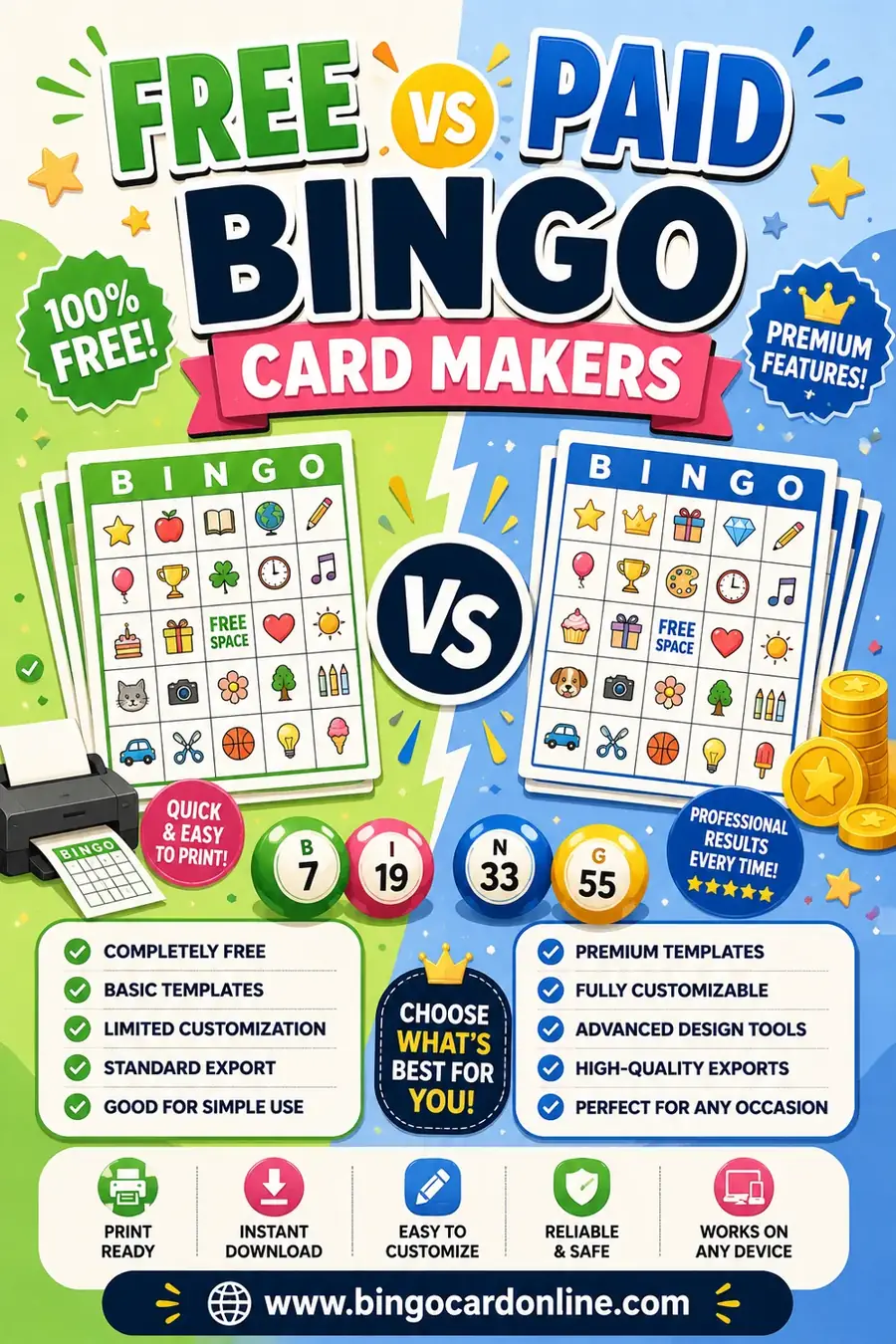
If you're making bingo once in a while, a free maker wins. It's quick, it's free, and a good one gives you unique cards with no watermark. There's little reason to pay.
If you make bingo constantly, or you need polished branded cards for a paid event, a paid tool might save you time. The question isn't "which is better" in the abstract. It's "which fits how often you'll actually use it."
Let's break down where each one shines.
What Free Bingo Card Makers Do Well
Modern free generators have come a long way. A solid one handles the core job completely:
- Unique cards. The whole point of bingo is that every player's card differs. Good free tools shuffle your word list into distinct grids automatically.
- Custom words. Type your own list: holiday words, vocabulary terms, inside jokes, whatever fits your group.
- Multiple grid sizes. Most offer 3x3, 4x4, and 5x5 so you can match the age group.
- Instant printing. Generate, print, done. No software to install.
- No cost, no sign-up. The best ones don't make you create an account or hand over an email.
For a classroom, a family gathering, or a one-off party, that's the entire checklist. You're not missing anything by going free.
What You Might Pay For
Paid makers exist because some users need more than the basics. Here's what the money usually buys:
- Saved projects. Come back later and tweak a card set instead of rebuilding it.
- Image and clip-art libraries. Drop pictures into squares for non-readers or themed cards.
- Bulk exports. Download 100 cards as a single PDF in one click.
- Branding. Add a logo, custom colors, or fonts for a business or fundraiser.
- Ad-free experience. No banner ads while you work.
- Priority support. Help when something goes wrong before a big event.
None of these change whether the game is fun. They're conveniences that matter most when bingo is part of your job, not a once-a-year activity.
Free vs Paid: Side-by-Side
Here's how the two typically stack up on the features people ask about.
| Feature | Free maker | Paid maker |
|---|---|---|
| Unique cards | Yes (good ones) | Yes |
| Custom word lists | Yes | Yes |
| Grid sizes (3x3–5x5) | Usually | Yes |
| Watermark on cards | Sometimes | No |
| Save & reopen projects | Rarely | Yes |
| Clip art / images | Limited | Large library |
| Bulk PDF export | Sometimes | Yes |
| Custom branding | No | Yes |
| Cost | Free | Subscription or per-use |
The big takeaways: a quality free tool covers the essentials, while paid tools mostly add saving, images, and branding. Watch for watermarks, though. Some free tools stamp their logo on your cards, which looks unprofessional for events.
When Free Is Absolutely Enough
Go free without a second thought if you're:
- A teacher running a one-off classroom game. Print a class set, play, recycle. No need for saved projects.
- A parent hosting a birthday or holiday party. A single themed set does the trick.
- Planning a casual game night. Friends won't care about clip art or branding.
- Making vocabulary or sight-word bingo. Type your terms, print, done.
- On a tight budget. Schools and nonprofits especially shouldn't pay for something free tools handle.
In all of these, the free route gets you the same playable cards in less time than it takes to enter a credit card.
When Paid Might Be Worth It
A paid tool can pay for itself if you're:
- A teacher who makes bingo every week. Saved templates and reusable sets add up to real time savings over a school year.
- An event planner or fundraiser organizer. Branded, watermark-free cards look professional and reinforce your event.
- Running large recurring bingo nights. Bulk exports and saved projects beat rebuilding from scratch each time.
- Selling printable bingo products. You'll want clean, branded, high-resolution exports you can resell.
Notice the pattern. Paid makes sense when the time saved, or the polish gained, is worth more to you than the fee. For everyone else, it's overkill.
Red Flags to Watch For (in Both)
Free or paid, not every tool is good. Watch out for these:
- Watermarks on free cards. Fine for home use, distracting for events. Check before you commit.
- Duplicate squares on one card. A weak shuffler can repeat a word inside a single grid. Always glance at a sample card.
- Identical cards across players. If the tool doesn't truly randomize, multiple players win at once. This is the most common flaw.
- Forced sign-up. Some "free" tools wall printing behind an account or email. The best ones don't.
- Tiny or fixed grids. Make sure you can pick 3x3 through 5x5 to fit your age group.
A quick test: generate two cards and lay them side by side. If they're clearly different and no word repeats on either, the tool works.
The Hidden Costs of "Free" Tools
Not every free tool is free in the way you'd hope. Some make their money in ways that cost you time, polish, or privacy instead of dollars. Knowing the trade-offs helps you pick a free tool that's genuinely free.
Watch for these catches:
- The print paywall. The most common trick: design for free, then pay to print or download. You build a full set, get attached, and hit a wall at the finish line. Always click through to an actual printout once before you invest time.
- The email wall. Some tools hand you cards only after you give an email address. That's not money, but it's your inbox, and often a stream of marketing.
- Watermarks. A logo stamped on every card is the price of "free" for some tools. Fine for a kitchen-table game, awkward for a fundraiser or a paid event.
- Card-count caps. A few free tiers let you make only a handful of cards at once, which is useless for a full classroom.
- Heavy ads. A page buried in banner ads still gets the job done, but it's slower and more annoying to work in.
A truly free tool prints clean, unique cards with no login, no watermark, and no cap. They exist, ours included, so there's rarely a reason to settle for one that nickel-and-dimes your time.
A Real-World Cost Comparison
Numbers make the choice concrete. Imagine you need bingo for a 25-student class, run a few times a year.
With a free tool, your cost is the paper and a few minutes of setup. Over a school year, that's effectively zero beyond what's already in the supply closet. You type your words, print, and play.
With a paid tool at, say, a typical monthly or annual subscription, you're paying for saved templates and clip art you may use only a handful of times. If you run bingo weekly with curriculum words and lean on those saved sets every time, the convenience can be worth it. If you run it three times a year, you're paying for features that sit idle most months.
The math almost always favors free for occasional use. Paid earns its keep only when you'd otherwise spend real, repeated time rebuilding sets, or when watermark-free branding directly supports an event you're charging for. Run the rough numbers for your own situation before subscribing; the answer is usually obvious once you do.
Free Bingo Word List (Copy & Paste)
Here's a ready-to-use list of 30 general bingo squares to test any maker, free or paid. Pick 24 for a 5x5 card or 9 for a 3x3.
| Travel | Weather | Music |
|---|---|---|
| Suitcase | Rainbow | Guitar |
| Passport | Snowflake | Drums |
| Airplane | Lightning | Piano |
| Road trip | Sunshine | Microphone |
| Beach towel | Thunder | Headphones |
| Compass | Fog | Trumpet |
| Map | Hailstone | Violin |
| Hotel key | Breeze | Saxophone |
| Camera | Puddle | Tambourine |
| Sunglasses | Frost | Vinyl record |
Mix the columns for variety. For younger players, stick to easy-to-picture words like airplane, rainbow, and guitar.
How to Decide in 30 Seconds
Still on the fence? Run through this quick checklist:
- How often will you make bingo? Once or twice a year, go free. Weekly, consider paid.
- Do you need it watermark-free for an event? Pick a free tool that doesn't add a logo, or pay if you can't find one.
- Do you need saved projects or branding? Those are paid-only perks. If you don't need them, you don't need to pay.
- What's your budget? Schools, nonprofits, and casual hosts almost always come out ahead going free.
For the vast majority of people, the answer lands on free, especially when a free tool already gives unique, printable, no-sign-up cards.
Bingo Grid Sizes by Age
Any maker, free or paid, should let you match the grid to your group.
| Age group | Grid size | Tips |
|---|---|---|
| Toddlers (2–4) | 3x3 | Use pictures, not words. Short rounds. |
| Kids (5–9) | 4x4 | Mix simple words and pictures. Small prizes. |
| Tweens & teens | 5x5 | Add themed or pop-culture squares. |
| Adults | 5x5 | Try blackout rounds for longer play. |
| Seniors | 4x4 | Larger print, fewer squares, clear fonts. |
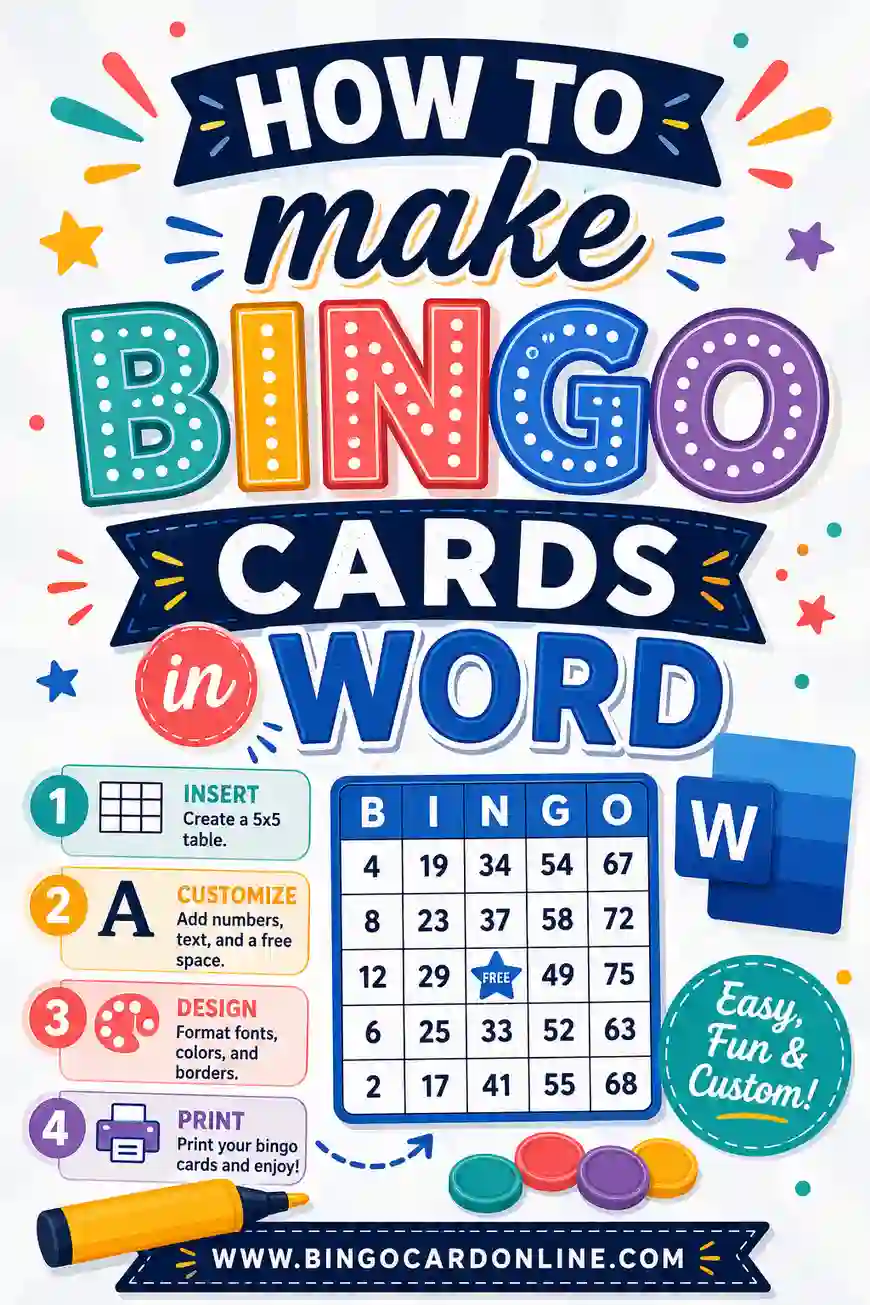
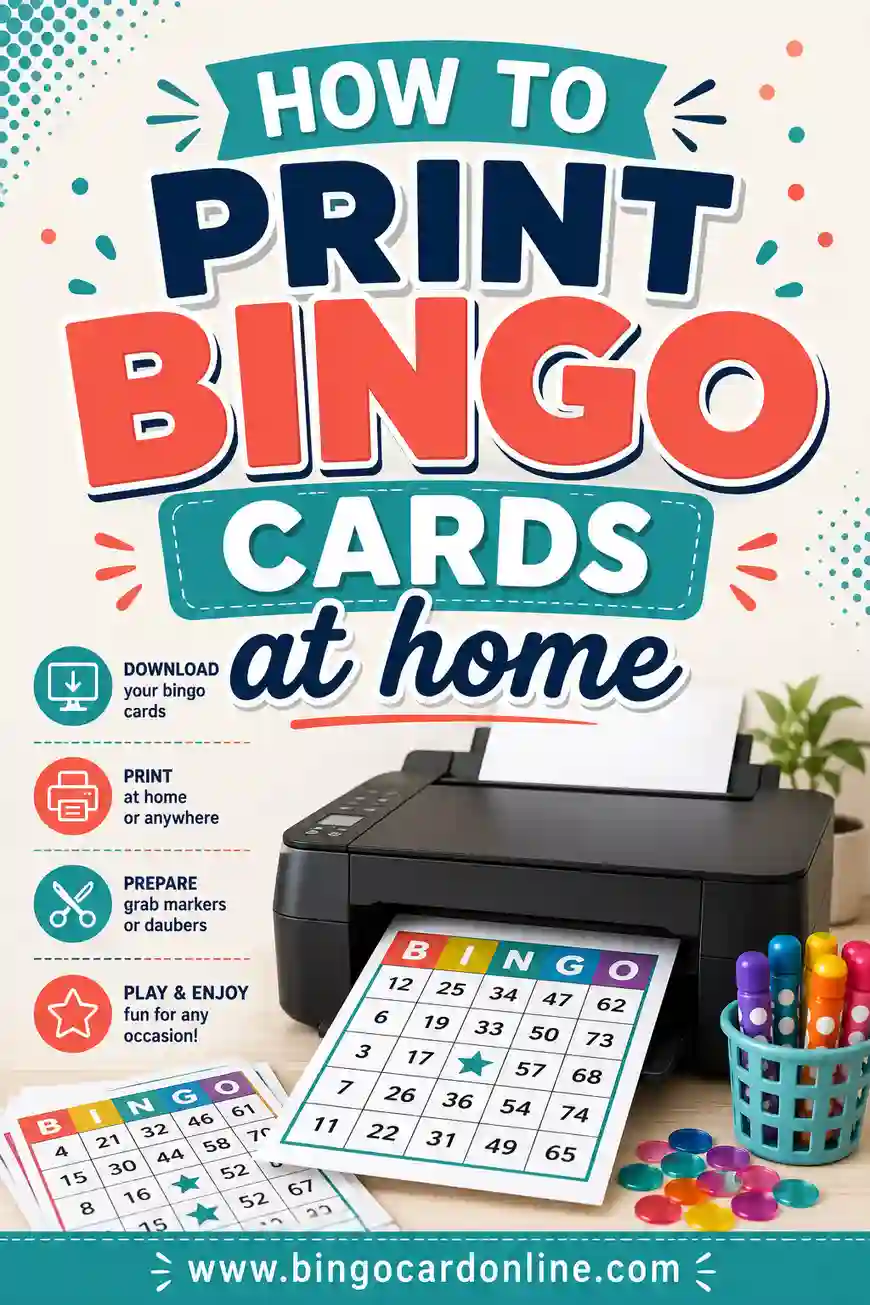
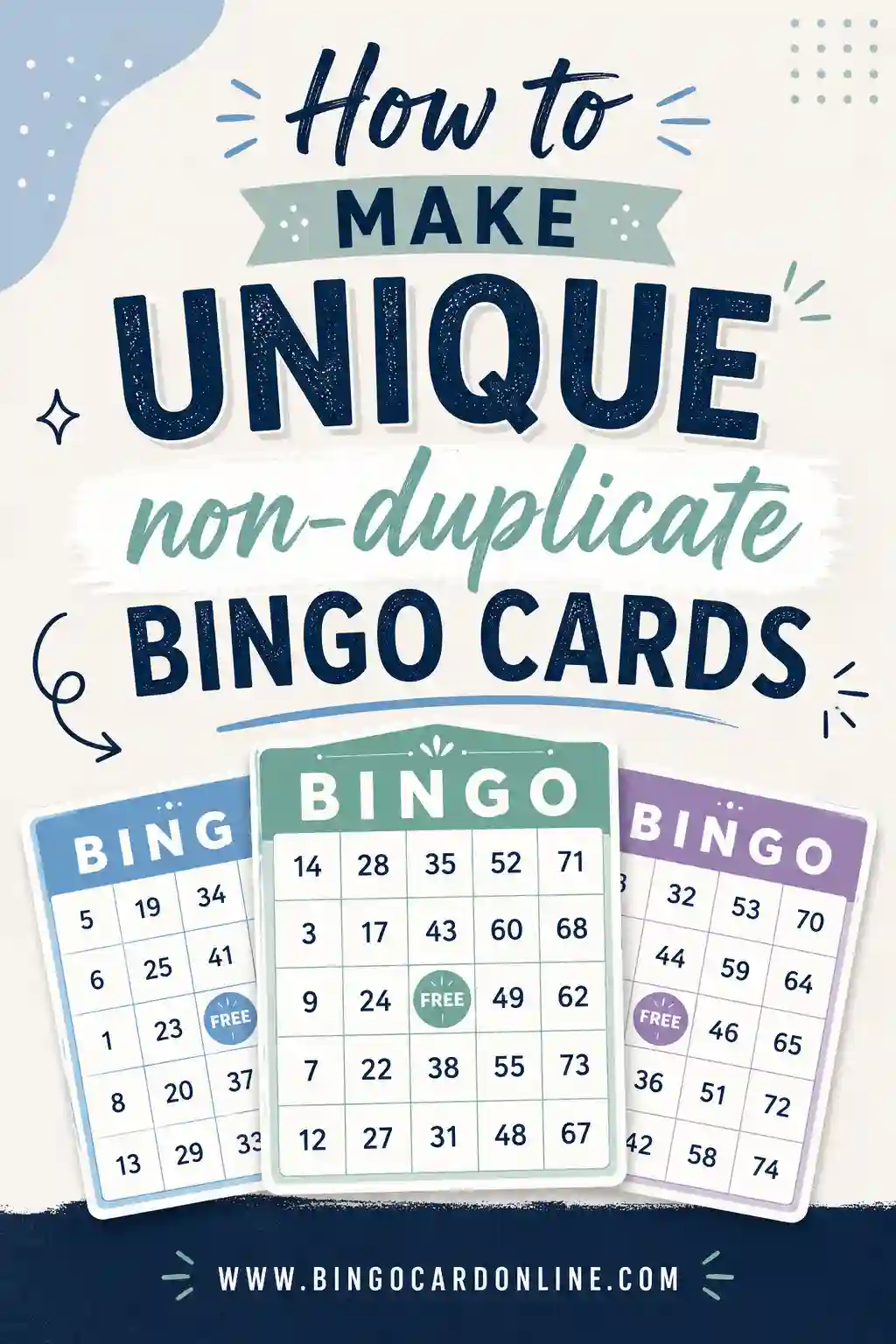
Want to go hands-on instead? You can build cards in Word, learn how to print bingo cards at home, or make sure your set has unique, non-duplicate cards.
Frequently Asked Questions
Are free bingo card makers any good?
Yes. A good free maker gives you unique cards, custom words, multiple grid sizes, and printable results with no sign-up. For classrooms, parties, and game nights, free covers everything most people need. The free generator here does exactly that.
What do paid bingo card makers offer that free ones don't?
Paid tools usually add saved projects, large clip-art libraries, bulk PDF exports, custom branding, and an ad-free experience. These help if you make bingo often or run paid events, but they don't make the game itself any more fun.
Do free bingo cards have watermarks?
Some do, some don't. Certain free tools stamp a logo on your cards, which looks fine at home but unprofessional at events. Check a sample card first, or pick a free tool that prints clean, watermark-free cards.
Is it worth paying for a bingo card maker?
Only if you'll use the paid features. Teachers making bingo weekly, event planners needing branded cards, or sellers of printable products may find it worthwhile. For one-off use, a free maker saves you both money and time.
How do I know if a bingo maker creates truly unique cards?
Generate two cards and compare them side by side. If the layouts clearly differ and no word repeats on a single card, the shuffler works. A tool that produces identical or near-identical cards isn't doing its main job.
Can I make professional-looking cards for free?
Often, yes. Choose a free tool that doesn't add watermarks and lets you pick clean fonts and grid sizes. For heavy branding like logos and custom colors, a paid tool may be easier, but plain, polished cards are well within reach for free.
Why do some free bingo makers ask for payment at the end?
Because "free to design, paid to print" is a common business model. You build the set for free, then hit a paywall to download or print it. To avoid the surprise, click all the way through to an actual printout once before you build a full stack. Truly free tools let you print without that wall.
Is it cheaper to make bingo cards myself than buy a printed pack?
Almost always. A free generator plus paper costs pennies, and you get unique cards tailored to your group. Store-bought packs cost money and often repeat layouts, so two players can win at once. Making your own is both cheaper and fairer.
Ready to Try the Free Route?
Before you pay for anything, see how far free gets you. Open the free bingo card generator, paste your word list, choose a grid size, and print a stack of unique cards. No sign-up, no watermark, no fee. For most groups, that's the whole job done, and you can always upgrade later if you truly need the extras.