How to Make Unique, Non-Duplicate Bingo Cards
To make unique, non-duplicate bingo cards, start with more words than a single card needs (at least 30 for a 5x5), then shuffle that list into a different layout for every player so no two cards match and no word repeats on the same card. Doing this by hand is slow and error-prone, which is why a free bingo card generator handles the shuffling and the no-duplicate rules for you in seconds.
Want truly unique cards without the headache? Open the free generator, paste a word list, and print a stack where every card is different. The full guide to getting it right is below.
These two terms get mixed up, so let's be clear. They're two different rules, and a good bingo set follows both.
- No duplicates within a card. A single card should never show the same word twice. Each square is unique on that grid.
- Unique cards across players. No two players should have identical layouts. Everyone's card is different from everyone else's.
When both rules hold, only one player (usually) hits bingo on a given call, the game stays suspenseful, and nobody feels cheated. Break either rule and the game gets messy fast.
Why Duplicate Cards Ruin the Game
Picture this. You print 10 cards, but the tool repeated the same layout three times. Now three players have identical grids. The moment one gets bingo, all three shout at once. Who really won? The tension's gone, and someone feels robbed.
It's the most common bingo mistake, and it's almost always a tool problem, not a player problem. Cheap printed packs repeat layouts to save money. Hand-made cards drift toward sameness because shuffling by hand is hard. And weak generators sometimes skip true randomization.
The fix is simple once you know the cause: use enough words and let a real shuffler do the work.
The Word-Count Math (This Is the Secret)
Here's the part most people miss. The number of words in your pool decides how unique your cards can be.
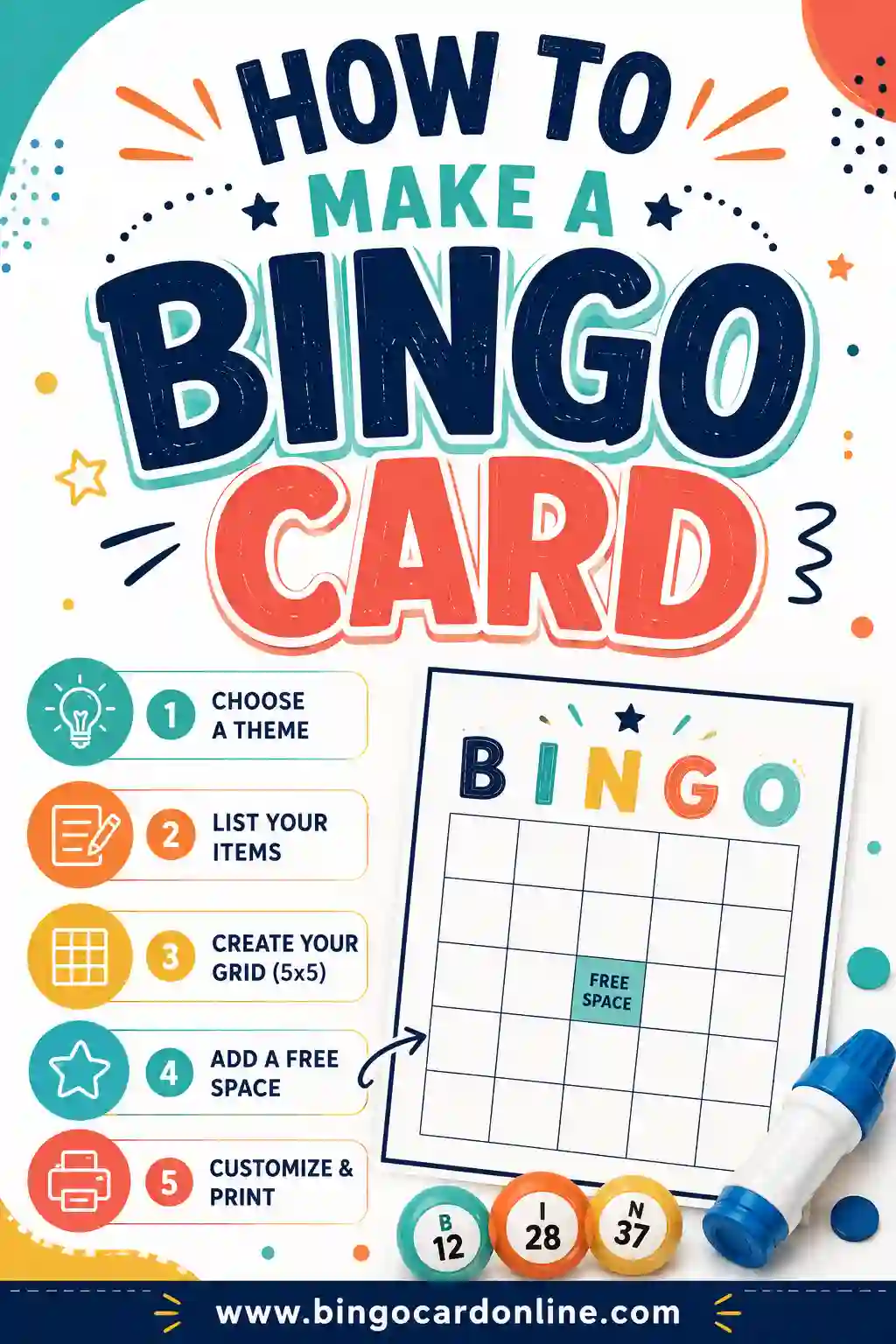
A 5x5 card has 24 fillable squares (the center is a free space). If your word list has exactly 24 words, every card must use all 24, so the only thing that changes between cards is the order. The cards will look very similar, and with a small list you'll quickly run into near-duplicates.
The fix is more words than the card needs:
| Grid size | Squares to fill | Minimum words | Recommended pool |
|---|---|---|---|
| 3x3 | 8 (free center) | 8 | 15+ |
| 4x4 | 16 | 16 | 25+ |
| 5x5 | 24 (free center) | 24 | 30–40+ |
With a bigger pool, each card pulls a different mix of words, not just a different order. That's what makes cards genuinely distinct. Aim for at least 30 words for a 5x5 and you'll have plenty of room for unique grids.
How to Make Unique Cards: Step by Step
Here's the reliable way to get a non-duplicate set every time.
Step 1: Build a generous word list
Gather more words than one card needs. For a 5x5, aim for 30 to 40. The bigger your pool, the more varied your cards. Use the free list further down if you need a head start.
Step 2: Remove accidental repeats
Scan your list for the same word written two ways ("Santa hat" and "Santa's hat," for example). Duplicates in your source list can sneak onto a card. Keep each idea once.
Step 3: Shuffle into unique layouts
This is the hard part to do by hand. You need each card to draw a fresh mix of words in a fresh order. A free bingo card generator does this instantly: it randomizes which words appear and where, and it blocks any word from showing twice on a card.
Step 4: Spot-check your cards
Before printing the full batch, lay two or three cards side by side. Confirm they're clearly different and no word repeats on a single card. This 30-second check catches a broken tool before you waste paper.
Step 5: Print one per player, plus spares
Print one unique card for each player and a few extras. Every card different means a clean, fair game.
Doing It by Hand (and Why It's Painful)
You can make unique cards manually. Here's the method, so you can see why a tool is worth it:
- Write each word on a slip of paper.
- For each card, draw 24 slips at random and place them in the grid.
- Return the slips, shuffle, and draw again for the next card.
- Repeat for every player.
It works, but it's slow and mistakes creep in. Draw the same arrangement twice and you've got duplicate cards without noticing. For four players it's tedious. For a classroom of 25, it's an evening lost. This is exactly the chore generators were built to remove.
Free Bingo Word List (Copy & Paste)
Here's a 30-word list, big enough to make genuinely unique 5x5 cards. Pick all 30 for maximum variety, or 9 for a 3x3.
| Outdoors | Kitchen | Office |
|---|---|---|
| Campfire | Whisk | Stapler |
| Hiking boots | Mixing bowl | Paperclip |
| Tent | Rolling pin | Sticky note |
| Canoe | Cutting board | Highlighter |
| Flashlight | Measuring cup | Calendar |
| Trail map | Oven mitt | Keyboard |
| Backpack | Spatula | Desk lamp |
| Binoculars | Colander | Notebook |
| Water bottle | Ladle | Coffee mug |
| Compass | Apron | Scissors |
Thirty distinct words means each card pulls a different blend, so no two grids match. Mix the columns however you like.
How to Tell If Your Cards Are Truly Unique
Not sure your tool is doing its job? Run these quick tests:
- The side-by-side test. Print two cards and compare. If the layouts are obviously different, the across-player rule is working.
- The repeat test. Scan one card for any word appearing twice. If it does, the within-card rule is broken.
- The free-space test. On a 5x5, the center should be a free space, not a regular word. Confirm it's marked.
- The big-batch test. Generate 10 cards and skim them. They should all feel different. If several look like twins, your word pool is too small or the shuffler is weak.
Pass all four and you've got a clean, fair set.
Common Mistakes That Cause Duplicates
Avoid these and you'll rarely see repeat cards:
- Too few words. A 24-word list for a 5x5 makes nearly identical cards. Use 30 or more.
- Repeats in your source list. The same word twice in your pool can land twice on a card. Clean your list first.
- Reusing one card for everyone. Copying a single card in Word and printing it 12 times gives 12 identical cards. Each player needs a fresh shuffle.
- Trusting a weak tool. Some generators don't fully randomize. Always spot-check a couple of cards before a full print run.
- Skipping the free space. Forgetting the center free space throws off the count and the play.
Bingo Grid Sizes by Age
Pick the grid that fits your players, then make sure each card is unique.
| Age group | Grid size | Min. words | Tips |
|---|---|---|---|
| Toddlers (2–4) | 3x3 | 8 | Use pictures. Keep rounds short. |
| Kids (5–9) | 4x4 | 16 | Mix words and pictures. Small prizes. |
| Tweens & teens | 5x5 | 24 | Add themed or pop-culture squares. |
| Adults | 5x5 | 30+ | More words means more unique cards. |
| Seniors | 4x4 | 16 | Larger print, clear fonts. |
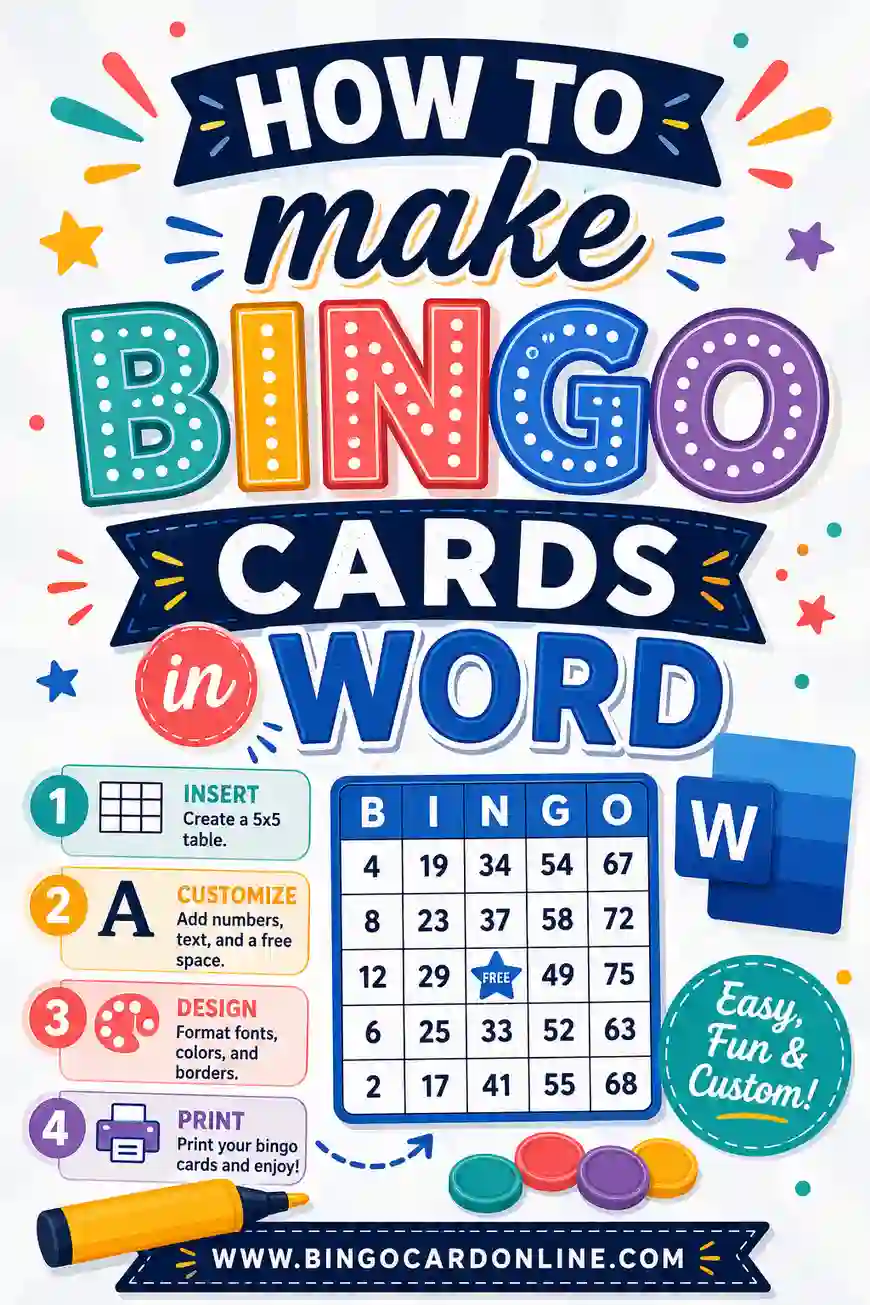
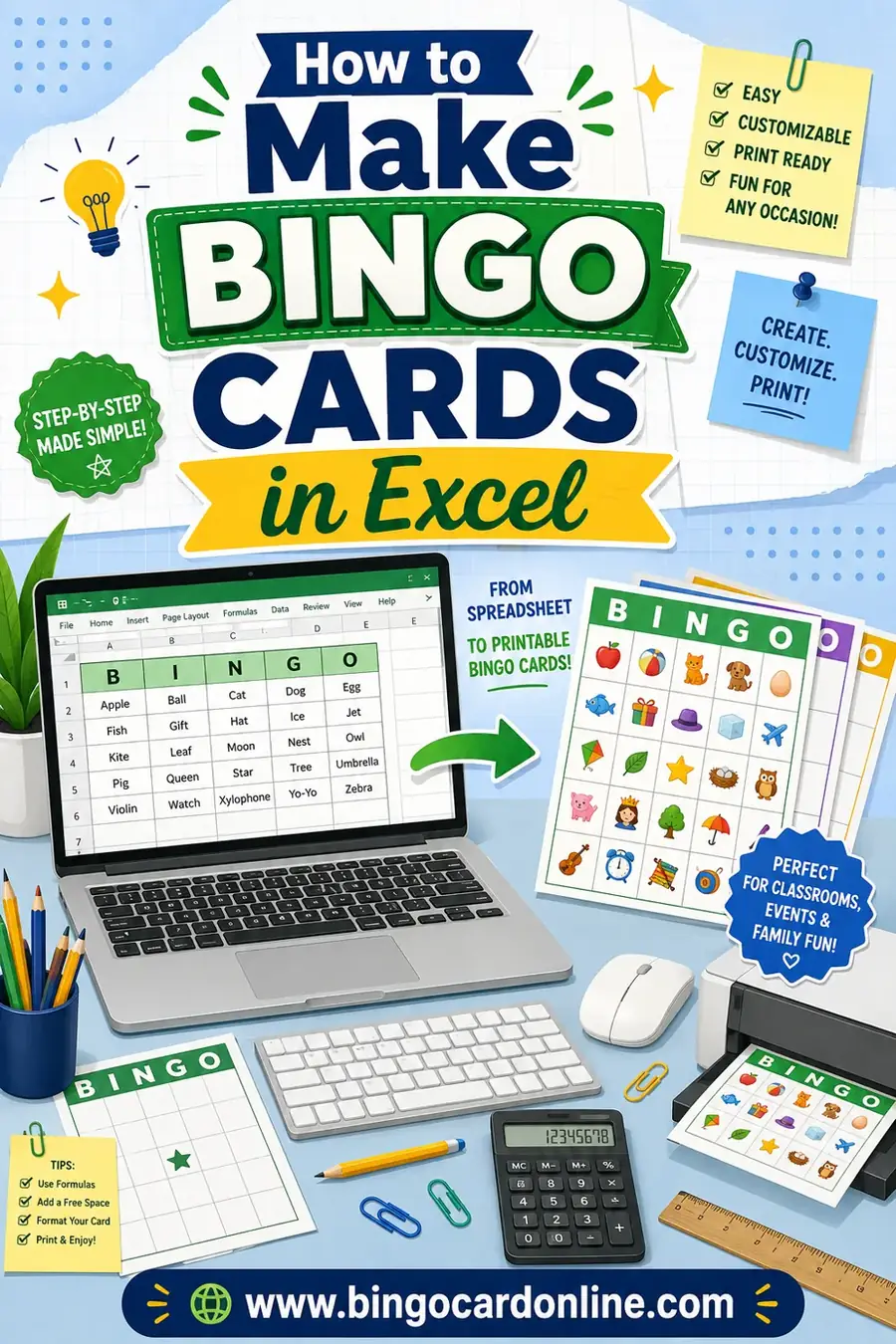
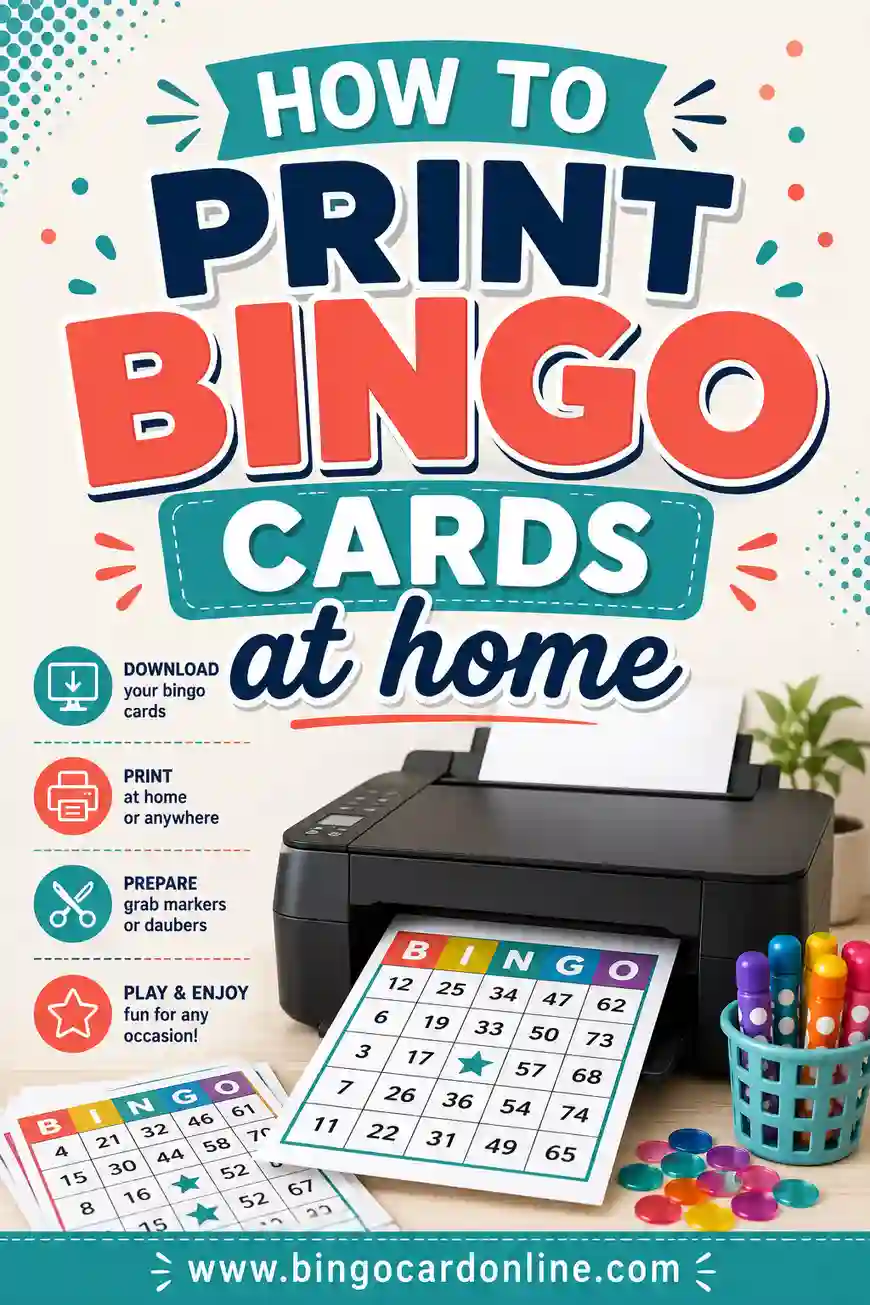
Want to handle the rest of your game too? You can build cards in Word or Excel, then learn the best way to print bingo cards at home.
Frequently Asked Questions
How do I make sure no two bingo cards are the same?
Start with more words than one card needs (30+ for a 5x5), then shuffle that pool into a fresh mix for each card. With a big enough list, each card pulls different words in a different order. A free generator does this automatically and guarantees unique layouts.
Why do my bingo cards keep coming out identical?
Usually your word list is too small. If a 5x5 card needs 24 words and you only have 24, every card must use all of them, so they look almost the same. Add more words, aiming for 30 or more, and the cards will vary far more.
How many words do I need for unique bingo cards?
For a 5x5, you need at least 24 to fill a card, but 30 to 40 is better for real variety. For a 4x4, use 16 minimum and 25-plus ideally. For a 3x3, 8 minimum and 15-plus. More words in the pool means more distinct cards.
What does "non-duplicate" mean for a bingo card?
It means no word appears twice on the same card, and no two players share an identical layout. Both rules matter. Together they ensure only one player tends to win per call, keeping the game fair and suspenseful.
Can I make unique bingo cards by hand?
Yes, by drawing words at random for each card from a shuffled pool, but it's slow and easy to accidentally repeat a layout. For more than a couple of cards, a free bingo generator is faster and removes the risk of duplicates entirely.
How do I check if my generated cards are really unique?
Print or preview two cards and compare them side by side. They should look clearly different, with no word repeating on either card. Generate a batch of ten and skim them. If several look like twins, enlarge your word list or switch tools.
Ready to Make Unique Cards?
Getting unique, non-duplicate cards comes down to two things: enough words and a real shuffler. The easy way to get both is the free bingo card generator. Paste a list of 30 or more words, pick your grid size, and print a stack where every card is genuinely different. No sign-up, no fee, no duplicates, so your game is fair from the first call.