Alphabet Bingo: Free Printable Letter Cards for Kids
Alphabet bingo is a simple grid game where the squares hold letters (A, B, C, and so on) instead of numbers. You call out a letter or its sound, players find it on their card and mark it, and the first to fill a line shouts "Bingo!" It's one of the easiest ways to help young kids recognize letters fast. The quickest way to get a full set is a free bingo card generator that shuffles your letters into unique cards every player can print at home.
Want to skip ahead and make them now? Open the free generator, drop in the alphabet (there's a ready-made list below), and print as many different cards as you need. No sign-up, no fee, nothing to install.
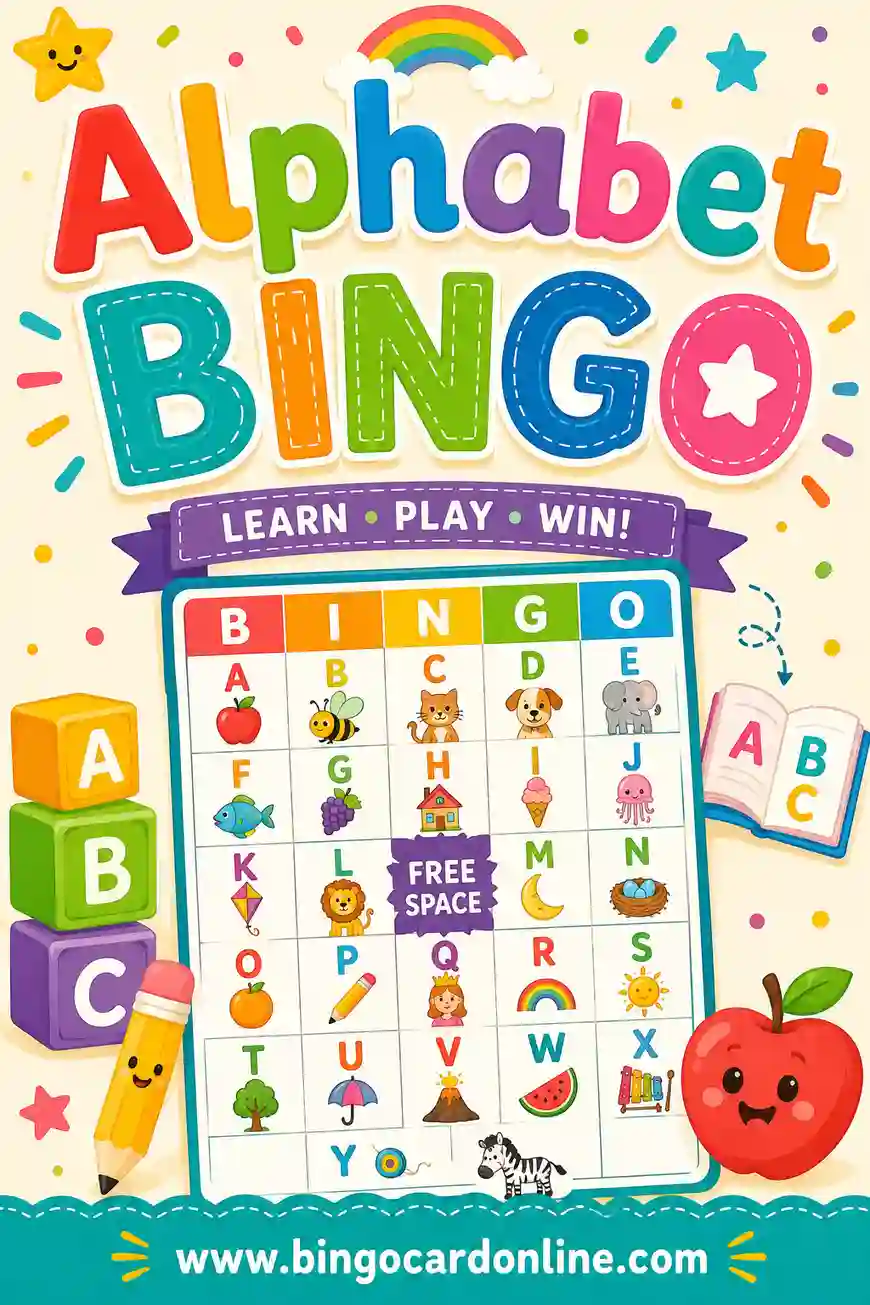
Picture regular bingo, then swap the numbers for letters. Each card is a grid of squares, and every square shows a single letter. You can use uppercase, lowercase, or both. Common sizes are 3x3 for toddlers, 4x4 for a quicker round, and the classic 5x5 with a free space in the middle.
There's one rule that catches people out: every card in your stack has to be different. If two kids share the same layout, they'll both win at once and the game fizzles. That's why a generator beats hand-drawing cards. It takes one letter list and scrambles it into dozens of unique grids in seconds.
You can play it a few ways:
- Letter-name bingo. You say the letter's name ("B"), kids find it. Best for beginners.
- Letter-sound bingo. You say the sound ("buh"), kids find the matching letter. Great for phonics practice.
- Picture-clue bingo. You hold up a picture of a ball, kids mark the letter B. This ties letters to real words.
Why Alphabet Bingo Works So Well for Learning
It doesn't feel like a worksheet, and that's the whole trick. Kids think they're playing a game while they're really drilling letter recognition over and over.
- Repetition without boredom. A child sees and hunts for the same letters many times in one round.
- It links letters to sounds. Switch to sound-based calling and you're building early phonics.
- It's social. Taking turns, listening, and waiting are skills kids practice right alongside their ABCs.
It's also fast to set up. Most teachers go from "I need a five-minute activity" to a printed class set in well under ten minutes.
Free Alphabet Bingo Letter List (Copy & Paste)
Here's a ready-to-use set of squares. For a pure letter game, the 26 letters fill a 5x5 grid nicely (you'll have one to spare plus a free space). If you'd rather mix letters with picture-word prompts, the right-hand columns give you starter ideas. Copy what you like straight into the generator.
| Uppercase Letters | Lowercase Letters | Letter + Picture Clue |
|---|---|---|
| A | a | A — apple |
| B | b | B — ball |
| C | c | C — cat |
| D | d | D — dog |
| E | e | E — egg |
| F | f | F — fish |
| G | g | G — goat |
| H | h | H — hat |
| I | i | I — igloo |
| J | j | J — jar |
| K | k | K — kite |
| L | l | L — lion |
| M | m | M — moon |
Pair the rest of the alphabet (N through Z) the same way if you want a full picture-clue deck. For non-readers, lean on the picture-clue column so every letter is tied to something they can see.
Theme variations to try
- Phonics bingo. Call the sound, not the name. "What says /sss/?" and kids mark S.
- Beginning-sound bingo. Show a picture and have kids mark the letter it starts with.
- Capital-and-lowercase match. Put uppercase on the card, call the lowercase letter, and kids match the pair.
How to Make Alphabet Bingo Cards in 4 Steps
No design skills needed. Here's the whole thing.
- Pick your grid size. 5x5 for the full alphabet, 4x4 for a faster game, 3x3 for the youngest learners.
- Add your letters. Paste in the alphabet, or just the handful of letters you're focusing on this week.
- Choose how many cards. One per child, plus a couple of spares. The generator makes each one unique automatically.
- Print. Hit print, grab your stack, and you're ready.
That's it. Print on cardstock or slip cards into clear sleeves if you want kids to mark them with a dry-erase marker and reuse them.
Who Alphabet Bingo Is Great For
This game stretches to fit a lot of settings. The most popular crowds:
Preschool and pre-K classrooms
This is the sweet spot. Use a small set of letters at a time so little ones aren't overwhelmed, and pair each letter with a picture. A 3x3 grid keeps the squares big enough for small hands and short attention spans.
Kindergarten and early elementary
Once kids know their letters, switch to sound-based calling to push into phonics. A 4x4 or 5x5 grid works well here, and you can mix uppercase and lowercase to stretch them.
Homeschool families
Alphabet bingo is a low-prep way to practice letters with one or two kids at the kitchen table. Print a few cards, grab some buttons for markers, and you've got a tidy ten-minute lesson.
ESL and language learners
For students learning English, alphabet bingo builds letter-sound links and listening skills at the same time. Slow your calling pace and repeat each letter clearly.
Printing Tips for Crisp, Reusable Cards
A few small choices make a real difference.
- Use cardstock if you can. It survives sticky hands and many game days, and feels nicer to hold.
- Print in black and white to save ink. Letters read clearly without color, and kids can color them in as a bonus.
- Laminate or use sleeves for reuse. Then players mark with dry-erase markers and you wipe the cards clean.
- Check your margins. Print one test card first so you don't end up with cut-off squares on a full stack.
- Bigger squares for little hands. A 3x3 or 4x4 grid leaves more room per square, which helps young kids.
What to use as markers
No fancy supplies required:
- Dried beans, buttons, or coins
- Foam letter tiles or magnetic letters
- A crayon or pen to cross squares off
- Bingo daubers, if you have them
Fun Ways to Change Up the Game
When the basic version gets stale, try these twists.
- Blackout round. Instead of one line, kids race to fill the whole card. A great review of every letter.
- Four corners. First to mark all four corners wins. Quick and good for short attention spans.
- Find-it bingo. Call a letter, and kids have to also name a word that starts with it before they mark the square.
- Team bingo. Split into pairs and share a card. Nice for very young groups who need a buddy.
You can tie tiny prizes to the theme too: a sticker, the first turn at the next activity, or "line leader for the day."
Alphabet Bingo for Different Ages
The same game can stretch from toddlers to early readers if you adjust a few things.
| Age group | Grid size | Tips |
|---|---|---|
| Toddlers (2–3) | 3x3 | A few letters only. Pair each with a picture. |
| Preschool (3–4) | 3x3 or 4x4 | Uppercase letters with picture clues. Keep it short. |
| Pre-K (4–5) | 4x4 | Mix uppercase and lowercase. Add letter sounds. |
| Kindergarten (5–6) | 5x5 | Full alphabet. Switch to sound-based calling. |
| Early readers (6–7) | 5x5 | Beginning-sound and picture-clue rounds. |
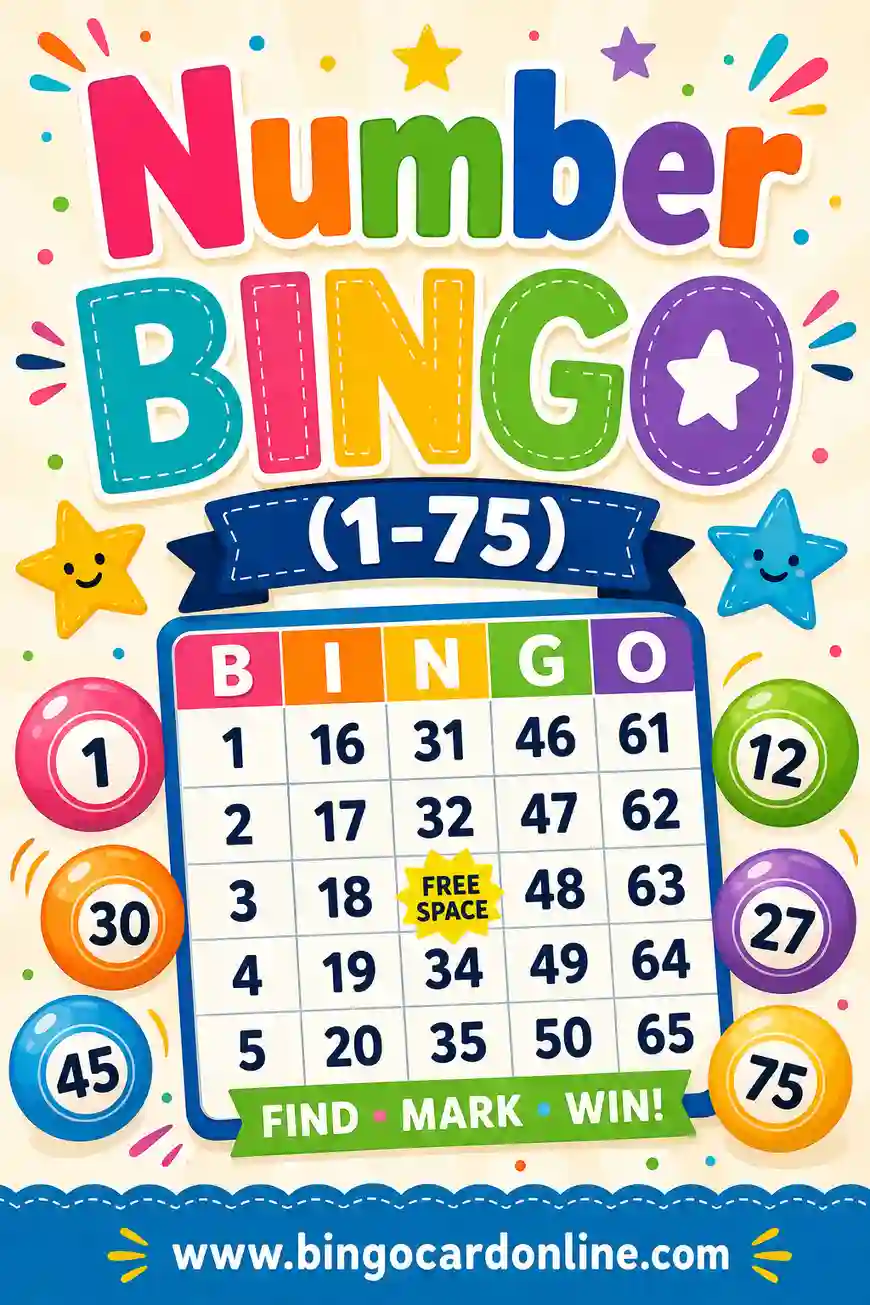
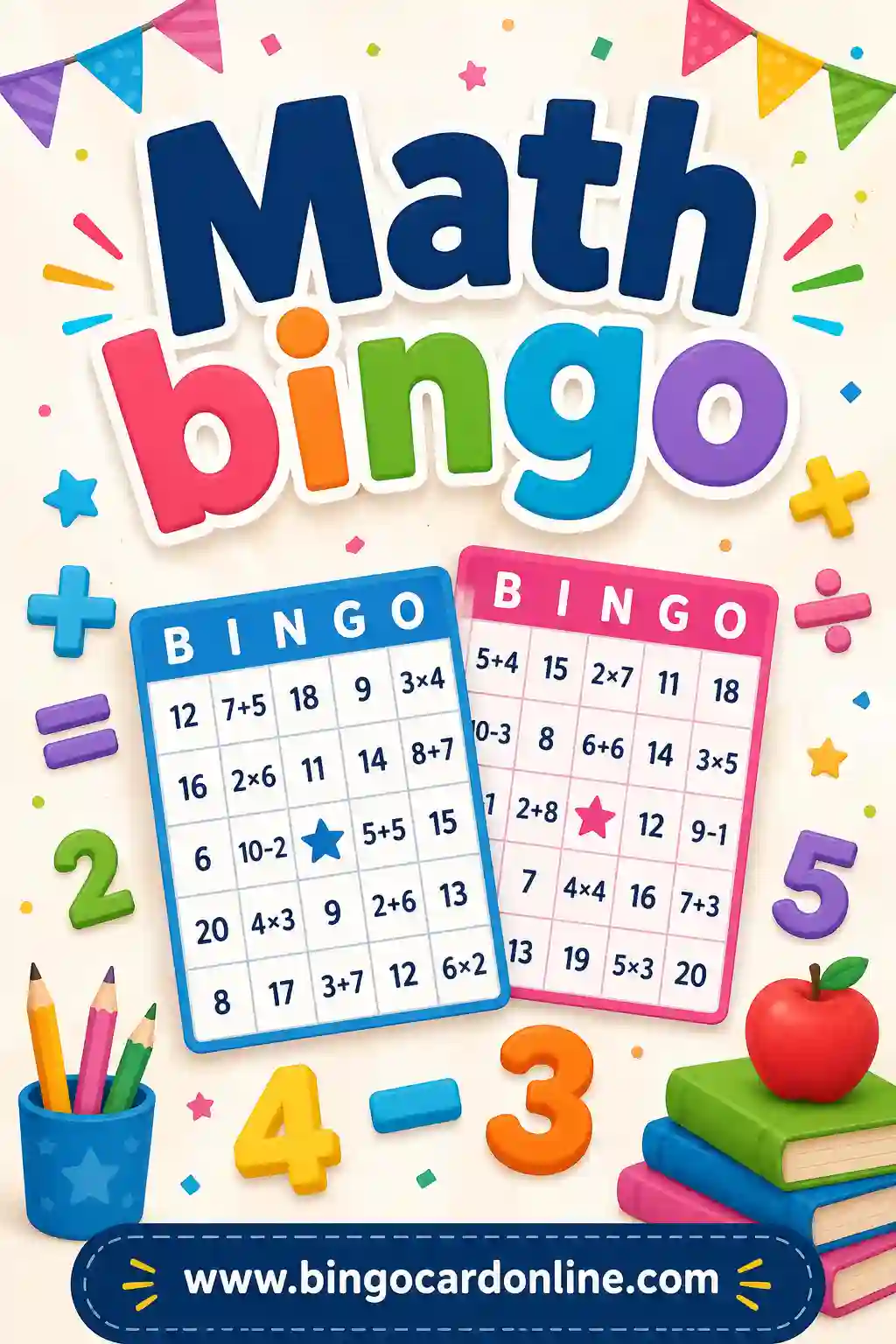
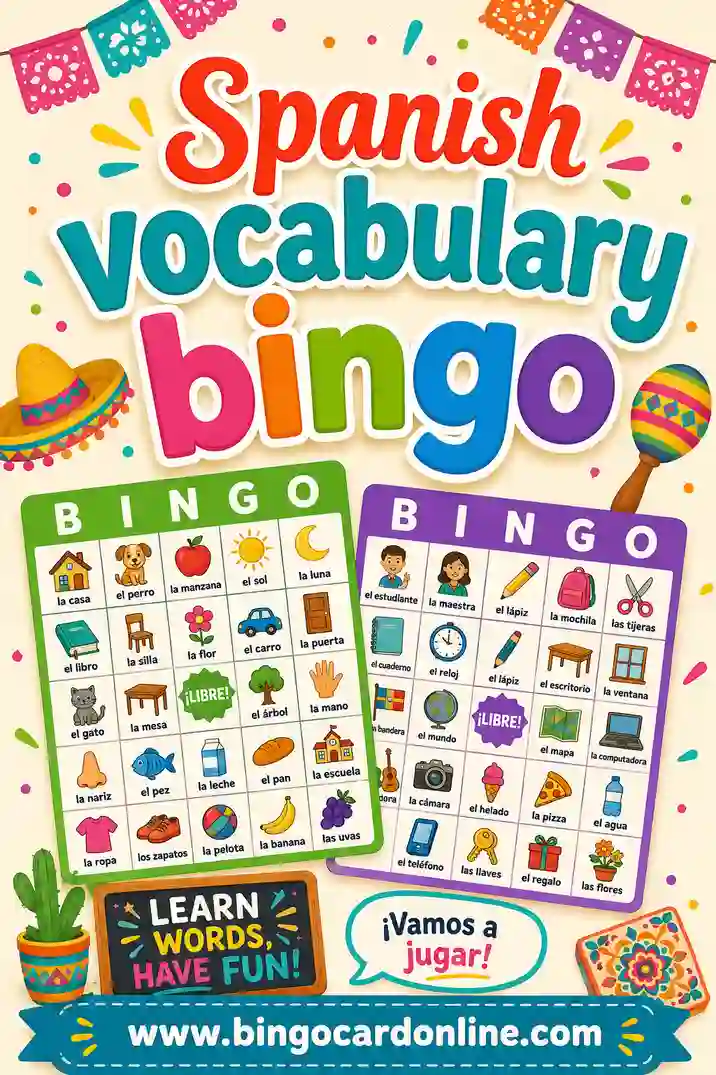
Enjoying letter-based games? You can build the same kind of practice for other skills with our number bingo (1-75), math bingo, and Spanish vocabulary bingo.
How to Run an Alphabet Bingo Game
If you've never called alphabet bingo before, it couldn't be simpler. Here's how a clean round goes from start to finish.
- Hand out cards and markers. One card per child, a pile of markers within reach.
- Explain the win condition. Pick a single line, four corners, or a full blackout, and say it out loud so everyone knows the goal.
- Call one letter at a time. Say the letter name, its sound, or hold up a picture clue, depending on the round. Say it clearly and pause so kids can search their cards.
- Track what you've called. Cross each letter off your master list as you go. You'll need this to check the winner.
- Check the winning card. When a child calls "Bingo!", read their marked squares back against the letters you called. If they match, they win. If not, the round keeps going, no harm done.
A good pace is one call every 12 to 15 seconds for the youngest players, since they need time to scan. Keep prizes tiny, like a sticker, and rounds short so little ones stay engaged.
Common mistakes to avoid
- Calling too fast. Young kids need time to find a letter. Slow down and repeat each call.
- Forgetting to track calls. Without a record, you can't verify a win. Cross letters off as you go.
- Too many letters at once. For brand-new learners, focus on a small set of letters rather than the full alphabet.
- Mixing up the call type mid-game. Pick letter names, sounds, or pictures and stick with it for the whole round so kids aren't confused.
Frequently Asked Questions
How many alphabet bingo cards do I need?
One card per child, plus a few spares in case someone joins late or a card gets bent. For a class of 20, print around 25. The generator makes as many unique cards as you want in one go.
What letters should go on an alphabet bingo card?
For a full game, use all 26 letters, which fill a 5x5 grid with room to spare. If you're teaching a specific group of letters this week, just use those and repeat them across the squares. Pair letters with pictures for non-readers.
Is alphabet bingo really free to print?
Yes. You make and print the cards yourself at no cost. There's no sign-up and no watermark, so you can run a whole classroom on a single free letter list.
Can I make alphabet bingo for kids who can't read yet?
Absolutely. Use a 3x3 grid and pair every letter with a picture clue, like "A — apple." Call the picture or the sound instead of the letter name so non-readers can join in.
How do I make every bingo card different?
Use a generator that shuffles your letters. It rearranges the same letters into a new layout for each card, so no two kids have identical grids. Doing this by hand is slow and easy to mess up, which is why the tool exists.
Should I use uppercase or lowercase letters?
Both are useful. Start with uppercase for the youngest learners since the shapes are easier to tell apart, then add lowercase as kids get comfortable. You can even mix them to practice matching capital and small letters.
Ready to Print Your Alphabet Bingo Cards?
Grab the letter list above, open the free bingo card generator, and you'll have a stack of unique, printable alphabet bingo cards in minutes. It's free, there's no sign-up, and every card comes out different, so your classroom or kitchen table is ready to play. Have fun, and may the first "Bingo!" be a proud one.