Sight Word Bingo: Free Printable & Customizable
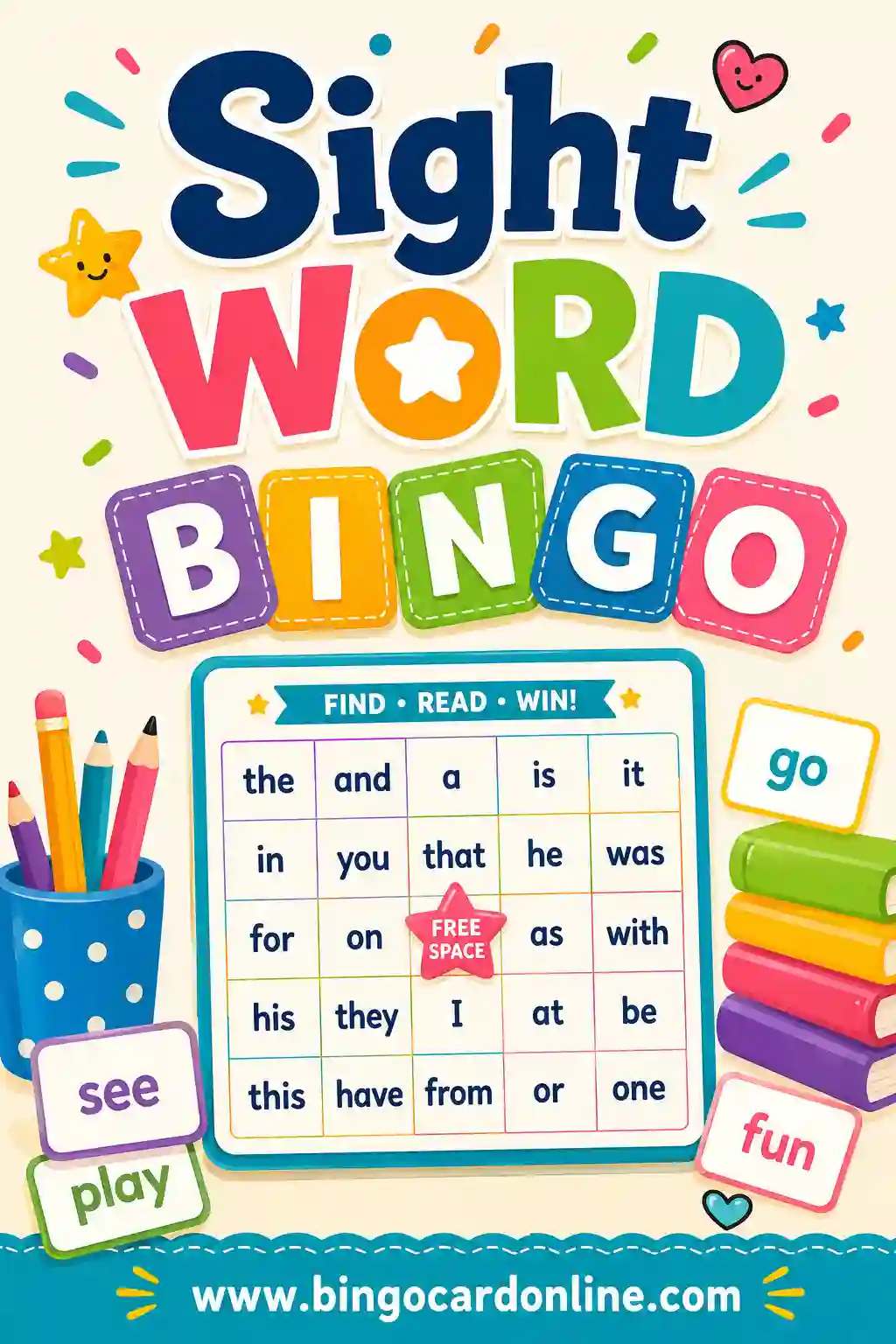
Sight word bingo is a grid filled with common high-frequency words instead of numbers, like "the," "and," "said," and "you." You call out a word, the child finds and marks it on their card, and the first to complete a line shouts "Bingo!" It's one of the easiest ways to help early readers recognize words on sight. The fastest way to get a full set is to use a free bingo card generator that shuffles your word list into unique cards every child can play from.
Want to build a set right now? Open the free generator, paste in a sight word list (there are ready-made ones below), and print one card per reader. No sign-up, no fee, nothing to install.
What Is Sight Word Bingo?
Sight words are the words that show up most often in reading, words like "the," "is," and "you." Many can't be sounded out easily, so kids need to memorize them by sight. Bingo turns that drill into a game. You call a word, the child spots it on their grid and marks it, and repetition does the teaching.
Common formats are 3x3 for brand-new readers, 4x4 for kids building their list, and the classic 5x5 with a free space for older or more confident readers.
Here's the part that matters: every card in your set should be different. If two kids have the same layout, they win at the same moment and the game loses its spark. That's why a generator beats making cards by hand. It takes one word list and scrambles it into a stack of unique cards in a couple of clicks.
You can play it two ways:
- Caller bingo. You read a word aloud and the child finds and marks it. This builds instant word recognition, the whole point of sight words.
- Spot-it bingo. The child reads a word card themselves, then marks it on their grid. Better for kids ready to read independently.
Why Make Your Own Instead of Buying a Pack
Store-bought sight word bingo is fine, but homemade beats it for three reasons.
- It's free. A printable set costs nothing when you make it yourself.
- You control the words. Match the squares to your child's exact level, this week's words, the ones they keep missing.
- You get unique cards. Printed packs repeat layouts. A generator gives every child a one-of-a-kind grid.
It's also fast and flexible. As your reader grows, you just paste a harder word list and print a fresh set. Most parents and teachers go from "let's practice words" to a printed set in under ten minutes.
Free Sight Word Bingo Word Lists (Copy & Paste)
Here are ready-to-use lists of 30 words across three reading levels. Pick any 24 for a 5x5 card (the 25th is the free space), or grab 9 for a 3x3. Copy the column that fits your reader straight into the generator.
| Pre-Primer (earliest) | Primer (next step) | First Grade (building up) |
|---|---|---|
| the | all | after |
| and | are | again |
| a | at | any |
| to | be | from |
| said | have | give |
| you | he | just |
| it | into | know |
| in | like | put |
| is | must | take |
| we | new | every |
Start with the column that matches your reader, then move up as they master each set. The best sight word bingo cards use words a child is learning now, so the game doubles as targeted practice.
List ideas to try
- Dolch list bingo. The Dolch sight words are grouped by level (pre-primer through grade three). Build a card per level and work through them in order.
- Fry word bingo. The Fry list covers the most common words in English. Great for older readers who've outgrown the basics.
- Tricky-word bingo. Make a card of just the words your child keeps mixing up, like "was" and "saw" or "where" and "were." Focused practice, fast results.
How to Make Sight Word Bingo Cards in 4 Steps
You don't need design skills. Here's the whole process.
- Pick your grid size. 5x5 for confident readers, 4x4 for kids building their list, 3x3 for brand-new readers.
- Add your words. Paste at least 24 sight words for a 5x5. More is better, since it boosts variety between cards.
- Choose how many cards. One per child, plus a few spares. The generator makes each one unique automatically.
- Print. Hit print, grab your set, and you're ready to play.
That's it. To reuse the cards, print on cardstock or slip them into clear sleeves so kids can mark with a dry-erase marker.
Who Sight Word Bingo Is Great For
This game works anywhere kids are learning to read. A few of the best fits:
Parents practicing at home
Sight word bingo turns homework into a game kids actually ask to play. Ten minutes after dinner builds real reading fluency, and it feels like fun, not work.
Kindergarten and first-grade classrooms
Teachers use it for whole-group practice, small reading groups, or literacy centers. A class set covers the whole room, and you can run different word lists for different reading levels at once.
Reading interventions and tutoring
For kids who need extra support, bingo's repetition is gold. Tutors can target the exact words a child struggles with and watch recognition speed climb week to week.
ESL and emerging readers
High-frequency words are the foundation of English reading. Bingo gives ESL learners repeated, low-pressure exposure to the words they'll see most, with a clear visual to match sound to print.
Printing Tips for Crisp, Reusable Cards
A few small choices make a big difference.
- Use cardstock if you can. Regular paper works, but cardstock survives little hands and repeat games.
- Use a clear, simple font and large print. Early readers need words that are easy to scan. Bigger is better.
- Print in black and white to save ink. Sight words read perfectly without color.
- Laminate or use sleeves for reuse. Kids mark with dry-erase markers and you wipe the cards clean for next time.
- Print one test card first. Check your margins so the words aren't cut off on a full set.
What to use as markers
No fancy supplies needed:
- Dried beans, buttons, or pom-poms
- Counting bears or small toys
- Stickers (a big motivator for young kids)
- A pencil or crayon to cross words off
Fun Ways to Change Up the Game
Once the basic version gets familiar, try these twists to keep kids excited.
- Blackout round. The child marks every word on the card. Great for reviewing a full word list.
- Four corners. First to mark all four corner words wins. Quick and good for short attention spans.
- Read-it bingo. Instead of you calling, the child reads each word aloud before marking it. Builds confidence and reading-out-loud skill.
- Use-it-in-a-sentence. Before marking a word, the child uses it in a spoken sentence. Connects recognition to real meaning.
Tie small rewards to wins: a sticker, an extra bedtime story, or choosing the next game.
How to Run a Sight Word Bingo Game
If you've never run bingo with a young reader, don't worry, it's easy. Here's how a clean game goes from start to finish.
- Hand out cards and markers. One card per child, a pile of markers within reach.
- Explain the win condition. Decide before you start: a single line, four corners, or a full blackout. Say it out loud so it's clear.
- Call words one at a time. Say each word clearly and slowly. Pause so the child can search their card and recognize it.
- Track what you've called. Keep a master list and set called words aside, so you can verify the winner.
- Check the winning card. When the child yells "Bingo!", have them read their marked words back to you. This sneaks in extra reading practice and confirms the win.
A good pace is one word every 15 to 20 seconds for new readers, who need time to search. Keep rounds short and celebrate every win to keep motivation high.
Common mistakes to avoid
- Too many new words at once. Don't fill a card with words a child has never seen. Mix known words with a few new ones so they feel successful.
- Words too small to read. Tiny print frustrates early readers. Use large, clear text.
- Forgetting to track calls. Keep a record so you can verify the winner and review missed words.
- One grid size for everyone. A 5x5 overwhelms a brand-new reader. Start with a 3x3 and grow from there.
Sight Word Bingo for Different Reading Levels
The same game grows with your reader. Adjust the grid and word list to match their stage.
| Reading stage | Grid size | Tips |
|---|---|---|
| Pre-reader (ages 4–5) | 3x3 | A handful of pre-primer words. Big print, short rounds. |
| Early reader (K) | 4x4 | Pre-primer and primer words. Call slowly. |
| Building reader (Gr 1) | 4x4 | Primer and first-grade words. Add a few new ones. |
| Confident reader (Gr 2) | 5x5 | First and second-grade words. Try read-it bingo. |
| ESL learner | 4x4 | Pair words with pictures or gestures for meaning. |
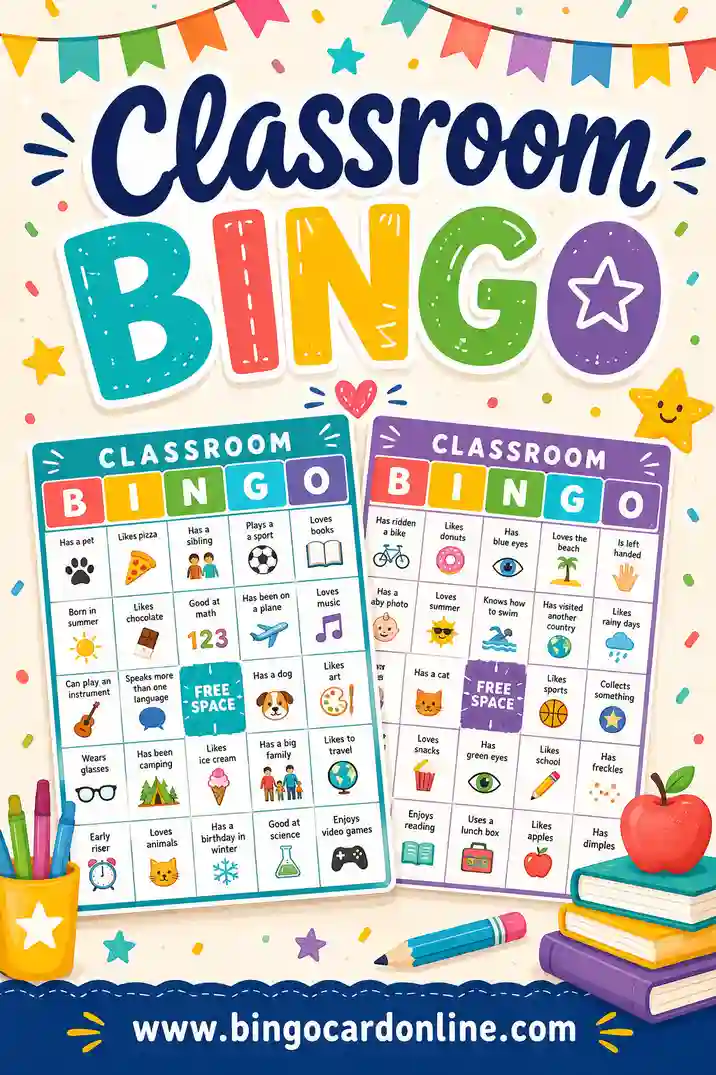
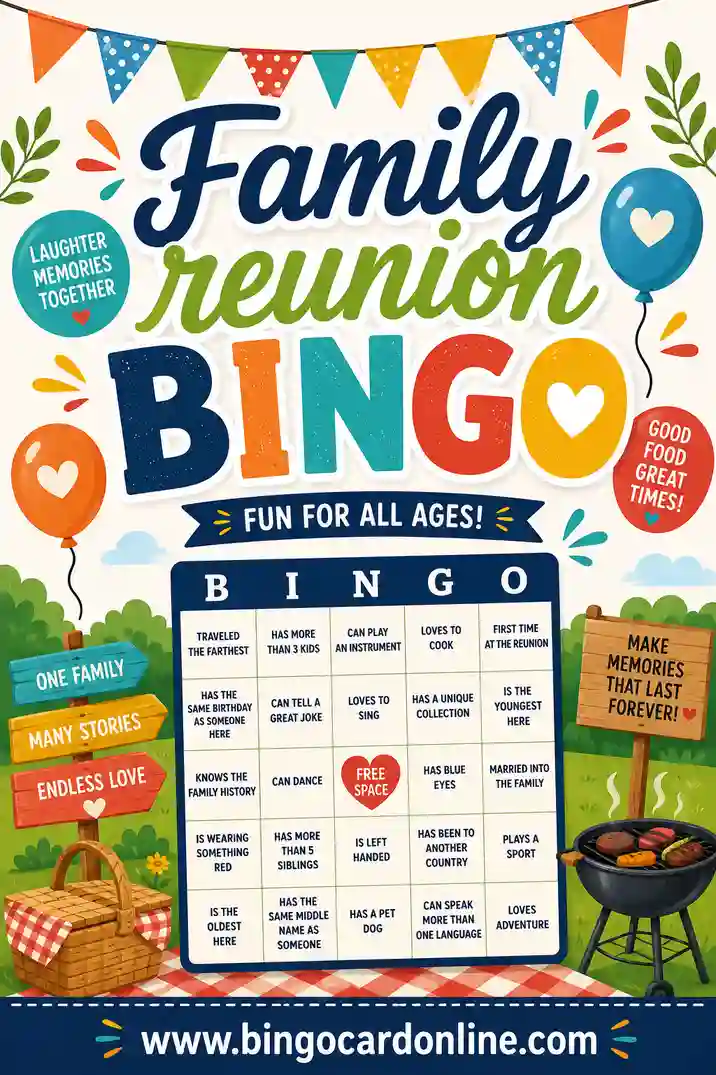
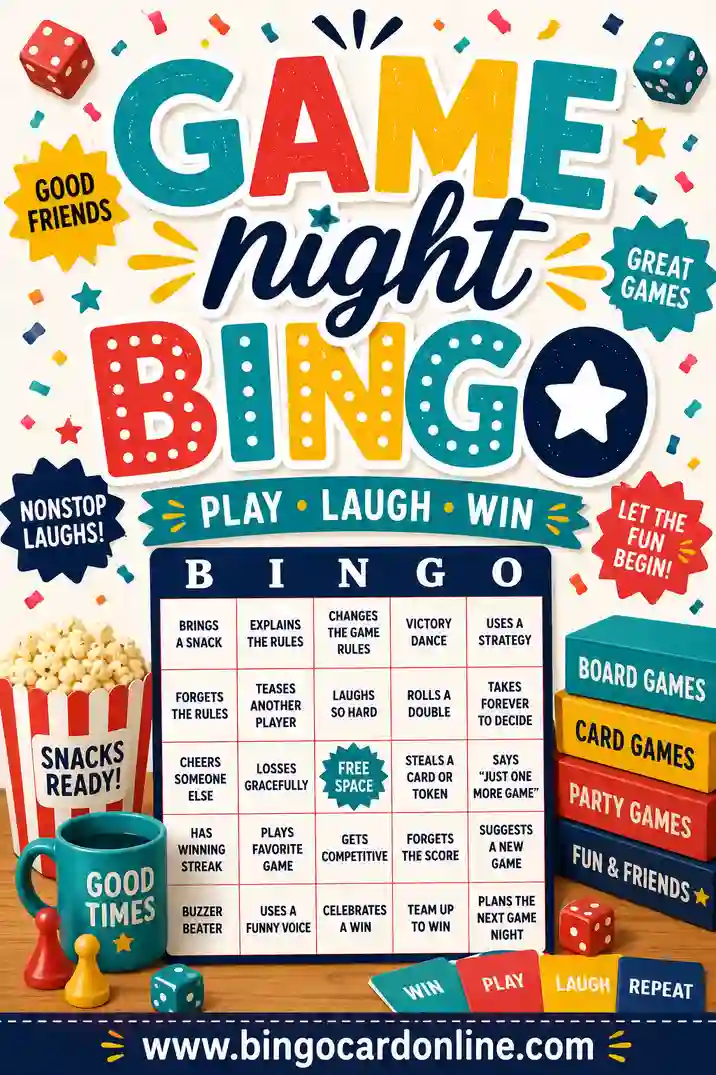
Want more learning games? Build a wider review deck with our classroom bingo. For fun outside of lessons, try family reunion bingo or a relaxed round of game night bingo.
Frequently Asked Questions
How many sight word bingo cards do I need?
One card per child, plus a few spares. For a small reading group of 5, print around 6. For a class of 25, print 30. The generator makes as many unique cards as you want in one go.
What words should go on a sight word bingo card?
Use high-frequency words at your child's level, the Dolch and Fry lists are the standards. The lists above give you 30 across three levels. Aim for at least 24 different words so a 5x5 card fills completely.
Are these sight word bingo cards really free to print?
Yes. You make and print them yourself at no cost. There's no sign-up and no watermark, so you can practice a whole word list on a single free set.
What age is sight word bingo good for?
It's ideal for ages 4 to 8, from pre-readers learning their first words through second graders building fluency. Start with a 3x3 grid and a few simple words for the youngest, and grow the card as the child improves.
How do I make every bingo card different?
Use a generator that shuffles your word list. It rearranges the same words into a new layout for each card, so no two kids have identical grids. Doing it by hand for a group is slow and error-prone.
Can I reuse the cards as my reader improves?
Yes. Print on cardstock and laminate them (or use sleeves) so kids mark with dry-erase markers. And when your reader masters a list, just paste a harder word set into the generator and print a fresh, tougher batch.
Ready to Print Your Sight Word Bingo?
Grab a word list above, open the free bingo card generator, and you'll have a stack of unique, printable sight word bingo cards in minutes. It's free, there's no sign-up, and every card comes out different, so your young readers are set to learn and play. Happy reading, and may the first "Bingo!" be theirs.