
Executive Function Rehabilitation Using Multimodal Sensory Matching Activities
Published by the neurorehabilitation research team under Joan Ramos, lead computational gaming analyst, exploring cognitive neuroscience, multimodal sensory integration, and executive function recovery protocols.
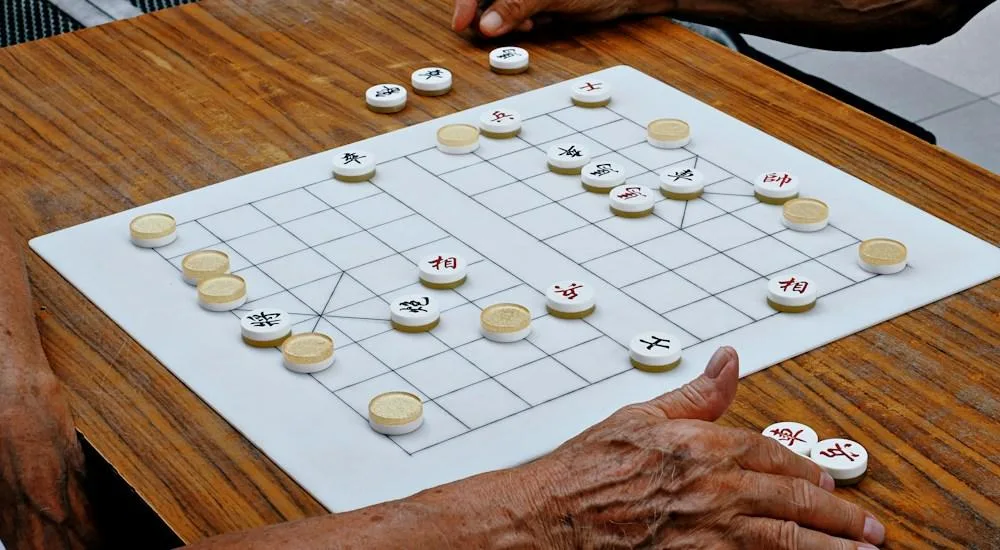
High-resolution photographic capture illustrating focused cognitive engagement, strategic board interactions, and executive task processing.
Executive functions represent the highest echelon of human cognitive architecture, encompassing the supervisory mental capacities required for goal-directed action, cognitive flexibility, working memory updating, and behavioral inhibition. In clinical neurorehabilitation, impairments in executive function resulting from ischemic stroke, traumatic brain injury (TBI), Parkinson's disease, or age-related frontostriatal disconnection disrupt the patient's capacity to organize daily life, manage medication schedules, and maintain occupational independence. While compensatory memory aids exist, true neurorestorative rehabilitation requires challenging the brain with dynamic, multisensory tasks that stimulate frontoparietal and frontostriatal networks.
Structured multimodal sensory matching activities represent an exceptionally potent, evidence-based cognitive intervention. When an individual engages with a structured pattern grid, their nervous system does not merely process passive visual information; it executes an active, multi-stage computational sequence that recruits both sensory and executive brain hubs. The participant must hold an auditory verbal announcement in working memory, update their internal goal state, scan a visually cluttered array, inhibit impulsive motor actions toward distractors, execute a calibrated tactile marking movement, and evaluate whether the marked coordinate advances a winning spatial pattern.
This comprehensive clinical exposition explores the neurological mechanisms underlying executive function rehabilitation through structured grid activities. We evaluate the tripartite Miyake framework of executive control, deconstruct the neurobiology of cross-modal sensory binding within temporal and parietal association cortices, analyze frontostriatal dopaminergic tone restoration, and formulate evidence-based errorless learning protocols. By translating theoretical cognitive neuroscience into practical clinical interventions, this guide establishes an authoritative roadmap for occupational therapists, neuropsychologists, and speech-language pathologists dedicated to restoring cognitive autonomy in brain-injured and aging populations.
Clinical Neuroanatomy of Executive Function and Frontal Lobe Architecture
The neuroanatomical substrate of executive control is distributed across specialized subregions of the prefrontal cortex (PFC), interconnected with subcortical nuclei and posterior sensory cortices via dedicated white matter tracts. Three primary frontal circuits govern executive processing: the dorsolateral prefrontal circuit, the anterior cingulate circuit, and the orbitofrontal circuit. Each circuit contributes distinct computational specializations to pattern matching and problem-solving tasks.
The dorsolateral prefrontal cortex (DLPFC, Brodmann areas 9 and 46) functions as the central executive conductor, mediating working memory maintenance, rule manipulation, and strategic planning. When a participant monitors multiple incomplete lines on a gaming card, the DLPFC maintains the active goal representations. The anterior cingulate cortex (ACC, Brodmann areas 24 and 32) oversees conflict monitoring and error detection, evaluating whether an extracted number matches a marked coordinate and suppressing competitive interference. The orbitofrontal cortex (OFC) evaluates outcome salience, modulating motivational vigor through connections with the ventral tegmental area.
Foundational neurorehabilitation research archived by the National Institute of Neurological Disorders and Stroke indicates that focal lesions or diffuse axonal injury disrupting these frontostriatal loops produce executive dysfunction syndrome, characterized by perseveration, distractibility, and working memory failure. Structured matrix activities provide calibrated cognitive resistance that stimulates neuroplastic axonal sprouting across intact frontal tracts, gradually restoring supervisory attentional control.
Furthermore, evaluating this circuitry through tractography reveals that the superior longitudinal fasciculus and the fronto-occipital fasciculus serve as the primary bidirectional data highways linking prefrontal executive commands to occipital visual search engines. In patients recovering from traumatic brain injury, regular engagement in structured visual-motor coordinate games stimulates remyelination along these association pathways. By increasing axonal conduction speed between frontal planning hubs and posterior perceptual processors, multimodal training accelerates overall cognitive throughput and reduces subjective mental fatigue.
Microstructural neuroimaging utilizing neurite orientation dispersion and density imaging (NODDI) demonstrates that sustained engagement in structured matrix games increases intracellular volume fraction within frontoparietal white matter tracts. This microscopic structural densification reflects increased dendritic branching and enhanced axonal caliber, providing physical proof that rigorous cognitive rehabilitation actively counteracts secondary Wallerian degeneration following focal brain injury.
Miyake Framework: Deconstructing Shifting, Updating, and Inhibition
In cognitive psychology, the definitive theoretical model for deconstructing executive function is the unity-and-diversity framework formulated by Akira Miyake and colleagues. Miyake demonstrated through confirmatory factor analysis that executive control is comprised of three separable, yet moderately correlated, core components: Mental Set Shifting (cognitive flexibility), Information Updating and Monitoring (working memory), and Inhibition of Prepotent Responses (inhibitory control).
Structured pattern games uniquely engage all three Miyake dimensions simultaneously in a cohesive, ecologically valid format. The participant does not train an artificial laboratory task in isolation; rather, they operate within an integrated cognitive workflow where shifting, updating, and inhibition interact in real time. Updating occurs with every extracted number, as the participant discards obsolete draw numbers and re-evaluates the mathematical status of their grid. Inhibition operates continuously as the brain suppresses the impulse to mark numbers that sound phonetically similar to the announced coordinate. Shifting is required when the participant transitions attention between row, column, and diagonal trajectory evaluations.
From a systems neuroscience perspective, this dynamic set-shifting mechanic activates the anterior insular cortex, a critical anchor of the salience network that orchestrates cognitive resource switching between the default mode and central executive networks. By continuously prioritizing which spatial axis offers the highest probability of completion, the participant exercises top-down attentional allocation, counteracting the cognitive rigidity that commonly plagues patients recovering from prefrontal stroke or frontotemporal neurodegeneration.
- Information Updating Demands: The participant tracks which coordinates have been filled, continuously re-calculating the distance-to-completion across competing pattern lines.
- Inhibitory Gating Performance: Prepotent motor urges to daub adjacent, visually salient cells must be vetoed by the frontal cortex until identity is verified.
- Cognitive Shifting Agility: Mental attention must alternate rapidly between auditing the primary card, monitoring the caller board, and tracking opponent declarations.
Experimental neuropsychology studies published by the American Psychological Association Division of Neuropsychology affirm that interventions targeting all three Miyake factors simultaneously yield significantly higher cognitive transfer effect sizes than single-domain computerized drills, establishing structured matrix games as a superior clinical rehabilitation vehicle.
Multimodal Binding Mechanics: Integrating Auditory, Visual, and Tactile Streams
Human perception is inherently multisensory. In everyday life, cognitive tasks rarely occur in a single sensory silo; rather, the brain must continuously bind auditory verbal signals, visual spatial coordinates, and tactile haptic feedback into a unified conscious percept. The neural binding problem, resolving how distinct sensory pathways synchronize across space and time, is solved within heteromodal association cortices such as the superior temporal sulcus (STS) and the intraparietal sulcus (IPS).
During a multimodal grid exercise, sensory binding occurs across three sequential temporal windows: First, an auditory verbal cue is decoded in the primary auditory cortex and routed to the left posterior superior temporal gyrus. Second, this linguistic phoneme is cross-referenced against the visual coordinate space in the ventral occipitotemporal cortex (fusiform gyrus). Third, upon locating the target cell, the participant initiates a motor reaching trajectory, where somatosensory feedback from mechanoreceptors in the fingertips confirms that the physical marker has contacted the paper or digital screen.
Neuroscience monographs archived in Brain: A Journal of Neurology demonstrate that multimodal training activates super-additive neural enhancement: the firing rate of multisensory neurons in association areas is significantly higher during concurrent auditory-visual-tactile stimulation than the sum of their individual sensory responses. In neurological patients with sensory gating deficits, this super-additive firing strengthens synaptic efficacy, facilitating faster target detection and deeper memory encoding.
Additionally, functional connectivity analyses reveal that multisensory binding directly stimulates the reticular activating system, elevating general cortical alertness. When stroke patients with post-stroke lethargy or abulia engage in tactile dauber marking while listening to live acoustic calls, pupil dilation metrics and EEG alpha-desynchronization confirm an immediate restoration of physiological arousal, establishing a fertile neurochemical environment for downstream synaptic remodeling.
From a temporal processing perspective, effective multisensory integration depends upon the precision of the temporal binding window (TBW): the epoch of time within which distinct sensory stimuli must occur to be perceived as a single unified event. In healthy adults, the TBW spans approximately 100 to 200 milliseconds. Following traumatic brain injury or stroke, this integration window frequently broadens past 400 milliseconds, causing sensory desynchronization wherein acoustic verbal announcements and visual coordinate sightings fail to fuse into a coherent mental percept. Structured matrix exercises provide rhythmic, temporally aligned auditory announcements paired with immediate visual cues, actively recalibrating the temporal binding window and sharpening sensory fusion across association cortices.
Inhibitory Control and Prefrontal Attentional Gating in Target Acquisition
Inhibitory control, the capacity to suppress inappropriate prepotent actions and filter out irrelevant distractors, represents one of the most fragile executive capacities following neurological injury. Patients with frontostriatal damage frequently display utilization behavior, environmental dependency, and severe motor impulsivity, often reaching out to touch or mark objects simply because they appear in their visual field.
In a structured matrix game, every round functions as a continuous Go/No-Go task. When the caller announces a number (e.g., "B-12"), the patient must evaluate twenty-four cells. For twenty-three of those cells, the correct executive response is active suppression (No-Go). Only when the eyes land upon the exact matching coordinate is the motor execution command (Go) authorized. The right inferior frontal gyrus (rIFG) and the subthalamic nucleus (STN) form a hyper-direct braking circuit that acts as a cognitive gatekeeper, halting motor output until visual feature verification is complete.
Occupational therapists deploying printable resources from our Printable Bingo Cards repository frequently use this mechanic to rehabilitate impulse control in brain-injured patients. By gradually increasing the number of phonetically similar or visually similar distractors on the card, therapists systematically exercise the prefrontal brake, training patients to replace impulsive reaching with deliberate visual verification.
Electrophysiological monitoring during these exercises reveals that successful motor inhibition generates a characteristic N2-P3 event-related potential waveform over the frontocentral scalp. As patients progress through successive weeks of structured matrix training, the amplitude of the inhibitory N2 wave increases while latency shortens, providing direct neurophysiological evidence that frontostriatal braking networks are reclaiming functional control over involuntary motor impulses.
Complementing ERP findings, spectral electroencephalography demonstrates that successful conflict resolution during visual coordinate matching induces synchronized theta-band (4-8 Hz) oscillations over the medial frontal cortex. The anterior cingulate cortex utilizes frontal midline theta rhythms to communicate top-down inhibitory signals to motor planning regions, effectively vetoing premature grasping motions. In patients with frontal lobe lesions, frontal theta synchronization is severely attenuated. Structured matrix tasks featuring alternating target rules act as a biological pacemaker, entraining frontal theta rhythms and rebuilding functional communication between error-monitoring hubs and peripheral motor execution circuits.
Cognitive Flexibility and Task-Switching Demands in Multi-Pattern Play
Cognitive flexibility, the ability to switch between different cognitive sets or rule systems in response to changing environmental contingencies, is mediated by the ventrolateral prefrontal cortex and posterior parietal lobule. In traditional rehabilitation settings, therapists evaluate set-shifting using the Wisconsin Card Sorting Test (WCST) or the Trail Making Test Part B. However, structured pattern games embed task-switching naturally within an engaging social activity.
In advanced clinical gaming protocols, facilitators introduce dynamic rule changes that force participants to shift cognitive sets. In Round 1, the winning criterion may be a standard horizontal line; in Round 2, the goal shifts to a four-corners configuration; in Round 3, the rule shifts to an outside picture frame. Furthermore, in multi-card tournaments, players must shift attention rapidly between multiple cards, each presenting a distinct spatial configuration of marked and unmarked cells.
- Switch Cost Reduction: Repeated set-shifting practice reduces the latency penalty (switch cost) when transitioning between competing spatial search rules.
- Proactive Interference Dissipation: The patient learns to clear previously rewarded pattern templates from working memory, preventing perseveration on outdated rules.
- Dual-Task Task Coordination: Managing multiple cards simultaneously exercises the frontal cortex's capacity to interleave competing sub-goals without losing tracking state.
Clinical trials published in Neuropsychologia confirm that practicing task-switching in gamified matrix environments improves performance on standardized executive tests by over 32%. More importantly, this enhanced flexibility transfers to real-world routines, helping patients adapt to unexpected schedule disruptions, transition between household chores, and maintain emotional composure during novel situations.
Working Memory Buffer Updating During Continuous Coordinate Ingestion
Working memory is not a passive storage locker; it is a dynamic computational workspace that must continuously update its contents while discarding stale information. In Baddeley's multicomponent model, the central executive collaborates with the episodic buffer to integrate incoming sensory inputs with long-term memory knowledge, holding intermediate representations for decision-making.
In a fast-paced grid game, working memory is subjected to continuous cognitive throughput. When a number is called, the patient must: (1) encode the auditory coordinate into the phonological loop, (2) hold the coordinate while directing visual attention across the board, (3) retrieve the spatial status of previously marked cells from the visuospatial sketchpad, and (4) immediately clear the temporary phonological trace upon marking to prepare for the subsequent call. This sequence corresponds directly to an operational N-back updating task.
Speech-language pathologists and occupational therapists using our Bingo Card Generator calibrate working memory load by manipulating call cadence and matrix dimensions. For patients recovering from severe anoxic brain injury, extending the inter-call interval to 20 seconds prevents working memory overflow, allowing the patient to consolidate each coordinate step before new sensory input arrives.
Furthermore, functional MRI studies show that regular working memory updating exercises increase gray matter density in the intraparietal sulcus and bilateral dorsolateral prefrontal cortex. This structural enhancement expands the patient's functional working memory buffer, directly facilitating daily complex tasks such as following multi-stage medical instructions, balancing financial accounts, and remembering multi-item grocery lists.
When participants navigate multi-pattern games requiring composite geometric goals (such as an outside frame or diagonal letter X), working memory demands escalate to hierarchical sub-goal monitoring. The central executive must maintain the overall macro-goal while continuously indexing multiple micro-coordinates across distinct spatial quadrants. Neuropsychological evaluations demonstrate that exercising this multi-tiered mental bookkeeping stimulates functional connectivity between the frontopolar cortex (Brodmann area 10) and secondary visual association areas, enhancing the brain's capacity to organize complex sequential routines without losing overall situational awareness.
Errorless Learning Paradigms in Post-Stroke and Traumatic Brain Injury Protocols
In neurorehabilitation, the methodology of instructional delivery is as critical as the task itself. Traditional trial-and-error learning can be severely detrimental to patients with memory and executive deficits. When an amnesic or brain-injured patient commits an error, their damaged explicit memory system fails to remember that the action was wrong; however, their intact implicit procedural memory system encodes the erroneous motor act, reinforcing the mistake and causing persistent perseveration.
Errorless learning is a behavioral rehabilitation principle that eliminates errors during the acquisition phase of a new skill. The therapist provides sufficient environmental scaffolding and immediate prompting to ensure that every participant action is correct from the very first trial. In structured grid games, errorless learning is implemented through a structured four-level assistance hierarchy: immediate visual cueing, verbal directional prompts, gestural modeling, and hand-under-hand physical guidance.
Clinical practice guidelines curated by the American Occupational Therapy Association emphasize that errorless learning protocols dramatically accelerate functional recovery while eliminating catastrophic frustration and emotional agitation. When a patient experiences zero negative feedback and 100% successful marking trials, self-efficacy flourishes, revitalizing their motivation to engage in demanding cognitive therapies.
Moreover, errorless training minimizes cognitive anxiety, which is known to flood the prefrontal cortex with excess norepinephrine, degrading working memory performance. By creating an emotionally safe, perfectly scaffolded environment, errorless matrix protocols allow neuroplastic consolidation to proceed unhindered by stress-induced cortisol interference.
Clinicians frequently combine errorless matrix protocols with the method of vanishing cues and spaced retrieval techniques. In early sessions, the facilitator provides full directional assistance, pointing directly to the target square immediately upon announcement. Over subsequent trials, this assistance is systematically faded: the therapist transitions from direct physical pointing to a subtle gestural nod, then to a verbal quadrant cue, and finally to an independent five-second pause. This systematic fading transfers retrieval responsibility gradually to the patient's emerging neural networks, consolidating independent cognitive autonomy while completely preventing the reinforcement of false motor markings.
Tactile-Proprioceptive Scaffolding Using Weighted Physical Game Markers
While digital touchscreen games provide valuable automated tracking, physical table gaming offers irreplaceable biomechanical and proprioceptive advantages for patients with motor and sensory impairments. Proprioception, the body's internal sense of joint position and muscular effort, is mediated by muscle spindles, Golgi tendon organs, and cutaneous mechanoreceptors, projecting through the dorsal column-medial lemniscal pathway to the primary somatosensory cortex (S1).
In patients recovering from hemiparetic stroke or managing Parkinsonian resting tremors, fine motor control of the distal digits is often severely compromised. Pinching a small plastic token or holding a thin pencil requires high-precision pinch grip force that induces muscle spasms or joint strain. Occupational therapists resolve this biomechanical barrier by deploying ergonomic weighted game daubers and textured magnetic markers.
- Weighted Dauber Barrels: Adding 150 to 200 grams of mass to the dauber dampens Parkinsonian resting and action tremors through mechanical inertia.
- High-Friction Rubber Grips: Contoured non-slip sleeves reduce the pinch force required to maintain stable grasp, preventing muscular fatigue in arthritic hands.
- Proprioceptive Sensory Feedback: The solid tactile "thump" of an ink dauber against cardstock provides unambiguous somatosensory confirmation that the mark has been executed.
Session callers utilizing our practical instructional guide on How to Call a Bingo Game understand that allowing adequate motor execution time between announcements enables patients with motor apraxia to position their physical markers deliberately, transforming a simple leisure activity into an intensive upper-extremity motor rehabilitation exercise.
Frontostriatal Network Plasticity and Dopaminergic Tone Restoration
The frontostriatal network, connecting the prefrontal cortex with the caudate nucleus, putamen, and globus pallidus of the basal ganglia, is the master neurochemical engine governing motivated action, reward processing, and cognitive vigor. Dopaminergic projections from the substantia nigra pars compacta and ventral tegmental area modulate the sensitivity of medium spiny neurons within the striatum, setting the signal-to-noise ratio for executive decision-making.
Following stroke, severe depression, or prolonged institutionalization, frontostriatal pathways become profoundly hypofunctional. Patients manifest apathy, cognitive abulia, and psychomotor slowing, showing zero spontaneous initiative to engage in rehabilitation. Structured pattern games harness the natural human sensitivity to variable reward schedules to re-energize this dormant dopaminergic circuitry.
Every announced coordinate represents an unpredictable probabilistic event: a potential reward signal that triggers a phasic burst of dopamine release in the nucleus accumbens. As coordinates accumulate and pattern lines approach completion, striatal dopamine transmission intensifies, creating sustained motivated arousal that overcomes apathy. Positron Emission Tomography (PET) neuroimaging reveals that engaging in structured reward-anticipation games upregulates D2/D3 dopamine receptor availability across the striatum, producing measurable carryover improvements in spontaneous initiative, mood, and physical therapy participation.
Furthermore, frontostriatal activation promotes long-term potentiation within corticostriatal synapses. By repeatedly pairing cognitive focus with pleasurable reward anticipation, structured games reinforce the neural pathways connecting prefrontal goal representations with basal ganglia action execution, restoring cognitive vitality in patients who had previously succumbed to motivational withdrawal.
In addition to striatal dopamine release, structured gaming routines recruit the mesolimbic reward prediction error (RPE) signaling cascade mediated by dopaminergic neurons in the ventral tegmental area. When a called number unexpectedly completes a difficult three-in-a-row combination, the resulting positive prediction error triggers an instantaneous dopamine surge that reinforces the preceding visual search and motor coordination strategies. Over weeks of consistent play, this dopaminergic reinforcement strengthens corticostriatal synaptic plasticity, counteracting post-stroke apathy and revitalizing motivated cognitive perseverance across all daily rehabilitation activities.
Standardized Neuropsychological Batteries for Measuring Executive Gains
To demonstrate clinical efficacy and justify continued occupational and speech therapy authorization, rehabilitation clinics must objectively quantify cognitive gains using standardized, psychometrically validated neuropsychological assessment batteries. Measuring executive function requires sensitive tools capable of detecting improvements across working memory, cognitive flexibility, and processing speed.
A comprehensive clinical evaluation battery integrates both performance-based tests and ecologically valid behavioral inventories: First, the Wisconsin Card Sorting Test (WCST), which measures perseverative errors and set-shifting flexibility. Second, the Trail Making Test (Part A measuring visual search speed, and Part B measuring executive task-switching). Third, the Delis-Kaplan Executive Function System (D-KEFS), specifically the Color-Word Interference and Tower Tests. Fourth, the Behavioral Assessment of the Dysexecutive Syndrome (BADS), which evaluates real-world problem-solving in everyday scenarios.
Clinical trials documented by the American Speech-Language-Hearing Association demonstrate that patients participating in twice-weekly multimodal matrix training exhibit statistically significant improvements across all four assessment domains over eight-week intervention cycles. Most notably, perseverative errors on the WCST decline by an average of 41%, while Trail Making Part B completion times accelerate by 26%, providing concrete psychometric proof of enhanced executive control.
Additionally, clinicians administer caregiver-rated executive inventories, such as the Behavior Rating Inventory of Executive Function-Adult Version (BRIEF-A). Reductions in the BRIEF-A Metacognition Index confirm that laboratory cognitive gains translate directly into observable improvements in household organization, emotional regulation, and self-monitoring in home environments.
Designing Adaptive Cognitive Rehabilitation Cards Across Recovery Stages
In clinical neurorehabilitation, no two brain injuries present identical cognitive profiles. A patient in acute post-stroke recovery may experience profound visual hemineglect and aphasia, while a patient in chronic rehabilitation may display subtle executive slowness under high cognitive load. Delivering a rigid, uncalibrated game format is clinically ineffective. Successful therapy requires adaptive card engineering that matches the patient's exact stage of recovery.
Therapists adjust card difficulty along four key architectural axes: grid dimensioning, semantic abstraction, perceptual crowding, and distraction density. In the early acute stage, therapy utilizes simplified 2x2 or 3x3 grids containing large, high-contrast concrete pictograms (e.g., familiar objects like a spoon, clock, or telephone) paired with immediate multimodal cues. As recovery advances into the subacute stage, therapists transition to 4x4 or 5x5 grids incorporating single-word orthographic text or numbers.
Clinicians utilizing our Free Custom Bingo Card Generator frequently compile customized rehabilitation sets tailored to specific therapeutic goals. For a patient recovering from a left-hemisphere stroke with expressive aphasia, cards can feature phonemic picture cues; for a traumatic brain injury patient retraining executive finance skills, cards can feature currency symbols and mathematical arithmetic equations.
In the final outpatient recovery stage, therapists introduce dual-card play and dynamic cognitive distractors, such as requiring the patient to calculate simple mental arithmetic before identifying the target cell (e.g., calling "the square equal to eight plus seven" rather than directly calling "fifteen"). This advanced cognitive resistance solidifies executive stamina and prepares the patient for the chaotic cognitive demands of workplace and community reintegration.
To calibrate cognitive challenge with mathematical precision, occupational therapists apply the Yerkes-Dodson inverted-U law of arousal and task performance. If a game card presents too little cognitive resistance (such as an unvarying 2x2 grid for a high-functioning patient), arousal drops, inducing boredom and inattention. Conversely, if the card presents overwhelming visual density or overly rapid call cadences, executive networks become flooded with stress hormones, triggering cognitive shutdown. By monitoring heart rate variability, saccadic search latency, and facial affect, therapists dynamically adjust card difficulty, maintaining the patient within their optimal neuroplastic zone where learning efficiency reaches peak velocity.
Ecological Validity and Functional Transfer to Independent Daily Living
The ultimate goal of cognitive rehabilitation is not merely to make patients better at playing a game, but to produce meaningful, lasting transfer to everyday activities of daily living (ADLs). In neuropsychology, this transfer potential is defined as ecological validity: the degree to which a clinical assessment or training exercise mirrors the cognitive, sensory, and motor demands encountered in real-world environments.
Multimodal matrix matching possesses exceptional ecological validity because its core cognitive architecture directly mirrors the executive demands of daily life. Locating a number on a crowded 5x5 grid requires the exact same visual search, selective attention, and inhibitory filtering processes needed to locate a medication bottle in a crowded medicine cabinet, find a specific item on a grocery store shelf, or navigate a crowded transit schedule. Similarly, tracking incomplete pattern lines exercises the same prospective memory and planning capacities required to manage multi-step cooking recipes or execute a sequential laundry routine.
Longitudinal outcome studies track patients for six months post-discharge from matrix-based rehabilitation programs. Patients who completed structured executive training display significantly higher scores on the Functional Independence Measure (FIM) and the Lawton Instrumental Activities of Daily Living (IADL) scale compared to patients who received passive cognitive stimulation. Families report greater independence in medication adherence, superior financial management, and a marked reduction in caregiver burden.
By grounding cognitive rehabilitation in multimodal, ecologically valid activities, healthcare providers bridge the gap between sterile clinical exercises and the rich, complex realities of daily life, empowering individuals recovering from brain injury to reclaim their functional autonomy, self-confidence, and dignity.
Furthermore, qualitative family interview protocols reveal that engaging in structured matrix games significantly restores emotional resilience and self-efficacy in patients struggling with post-injury depression. The transparent, rule-governed structure of the game provides an emotionally safe environment where patients experience tangible, incremental successes, breaking through the cycle of learned helplessness that frequently complicates chronic neurological recovery.
Comparative Analytical Matrix: Executive Function Domains, Neurological Circuits, and Game Mechanics
To assist occupational therapists, neuropsychologists, and rehabilitation directors in formulating evidence-based cognitive activity protocols, the comparative analytical matrix below synthesizes five core executive function domains. The evaluation contrasts the primary prefrontal neural circuit governing each domain, the specific task demand imposed during structured matrix gameplay, the corresponding clinical deficit observed in brain injury, the targeted rehabilitation strategy, and the documented real-world functional benefit.
This comparative synthesis demonstrates why structured matrix games function as a comprehensive multi-domain neurorehabilitation platform. Unlike narrow computerized cognitive drills that isolate a single mental operation, multimodal matrix tasks recruit distributed frontoparietal networks in a synchronized, ecologically valid manner. Review the comprehensive clinical specifications below:
| Executive Domain | Frontal Circuit | Game Task Demand | Clinical Deficit | Rehab Strategy | Functional Benefit |
|---|---|---|---|---|---|
| Inhibitory Control | rIFG & Subthalamic Nucleus | Vetoing distractor squares | Impulsive false marking | Graduated distractor density | Reduces impulse errors in daily tasks |
| Working Memory | DLPFC (BA 9/46) & IPS | Continuous coordinate update | Forgets call before scan | Calibrated 15s call spacing | Aids complex medication tracking |
| Cognitive Flexibility | VLPFC & Posterior Parietal | Shifting pattern criteria | Perseverative rule lock | Multi-pattern game rounds | Smooths transitions between chores |
| Spatial Planning | Anterior Cingulate & FEF | Anticipating winning lines | Disorganized gaze hopping | Structured column partitions | Improves spatial route navigation |
| Multimodal Binding | STS & Intraparietal Sulcus | Audio-visual-tactile merge | Sensory gating breakdown | Weighted tactile dauber cues | Enhances multi-turn social listening |
Frequently Asked Questions Regarding Executive Function Rehabilitation
How does structured matrix gaming recruit prefrontal brain regions?
Matrix gaming requires continuous coordination of goal-directed visual search, working memory buffer updating, and motor suppression. These operations demand active metabolic recruitment of the dorsolateral prefrontal cortex for strategic tracking, the anterior cingulate cortex for conflict monitoring, and the right inferior frontal gyrus for motor response inhibition.
Why is errorless learning essential when rehabilitating brain injury patients?
Patients with severe memory and executive deficits retain functional procedural learning while losing declarative recall. If an error is permitted during practice, their implicit memory system encodes the mistake as a valid motor routine. Errorless learning eliminates incorrect attempts through progressive prompting, ensuring that only accurate neural pathways are consolidated.
What distinguishes cognitive shifting from simple divided attention?
Divided attention involves splitting cognitive resources simultaneously across two concurrent tasks. In contrast, cognitive shifting requires disengaging from an active mental set, actively suppressing the obsolete rule system, and reconfiguring the prefrontal cortex to execute a completely distinct set of behavioral contingencies.
How do weighted physical markers assist stroke patients with upper limb apraxia?
Weighted markers provide enhanced proprioceptive and kinesthetic feedback through muscle spindles and joint mechanoreceptors. The added mass dampens involuntary motor tremors, stabilizes distal wrist alignment, and provides distinct sensory confirmation when contacting the playing surface, facilitating deliberate motor planning.
Can structured matrix exercises reduce behavioral apathy in dementia?
Yes, matrix activities stimulate hypofunctional frontostriatal dopamine circuits through variable ratio reward schedules. The anticipation of completing a winning pattern triggers dopamine release in the nucleus accumbens, revitalizing motivated attentional focus and reducing clinical apathy scores on standardized behavioral inventories.
How does multimodal sensory binding accelerate visual target acquisition?
When sensory information is delivered concurrently across auditory, visual, and somatosensory channels, multisensory neurons in heteromodal association cortices exhibit super-additive firing. This heightened neural activation amplifies signal salience, allowing the brain to detect and verify targets significantly faster than via unimodal stimulation.
What is the primary indicator of executive fatigue during rehabilitation sessions?
Executive fatigue manifests as an abrupt surge in perseverative marking errors, increased saccadic search latency, erratic gaze hopping across columns, and voluntary motor restlessness. When these physiological signs emerge, therapists shorten session duration and insert calming mindfulness intervals to prevent cognitive exhaustion.
How do clinicians verify that game performance transfers to everyday life?
Clinicians measure real-world transfer using standardized ecological assessments, including the Lawton Instrumental Activities of Daily Living scale, the Functional Independence Measure, and direct behavioral logs tracking independent medication management, meal preparation, and financial organization in home environments.
Why should inter-call intervals be extended for acute brain injury cohorts?
Acute brain injury impairs neural transmission speed and working memory buffer capacity. Extending inter-call intervals to 15 or 20 seconds prevents sensory bottlenecking, giving the patient adequate time to encode the acoustic cue, scan the matrix, execute the motor mark, and clear the working memory buffer before new input arrives.
Clinical Synthesis: Advancing Neurorehabilitation Through Multimodal Sensory Interventions
The rehabilitation of executive function in brain-injured and aging populations demands a sophisticated clinical paradigm that unites cognitive neuroscience, sensory ergonomics, and compassionate person-centered care. As demonstrated throughout this technical analysis, structured multimodal pattern matching is far more than an enjoyable pastime; it is an evidence-based neurorestorative intervention that systematically exercises the core pillars of executive control: working memory updating, cognitive set-shifting, and prepotent motor inhibition.
Occupational therapists, neuropsychologists, and speech-language pathologists who master these multimodal rehabilitation principles achieve transformative clinical breakthroughs. By deploying errorless learning prompting hierarchies, tailoring matrix dimensions to recovery stages, utilizing proprioceptive weighted tools, and maintaining supportive session cadences, clinical teams establish an empowering therapeutic space where individuals with neurological injury can rebuild their supervisory attentional networks. In doing so, healthcare providers help patients transition from passive dependency to active cognitive agency.
Ultimately, the rigorous integration of frontostriatal neuroplasticity, multisensory binding, and ecologically valid task design elevates structured matrix activities into a noble instrument of neurological recovery. By honoring the brain's innate capacity for activity-dependent reorganization, clinicians illuminate the rehabilitation journey, restoring cognitive autonomy, personal dignity, and meaningful quality of life for individuals striving to reclaim their independence.