Social Isolation Mitigation Strategies in Assisted Living Through Interactive Group Games
Published by the gerontological research division under Joan Ramos, lead computational gaming analyst, exploring psychosocial interventions, communal health architecture, and social connection dynamics in residential elder care.
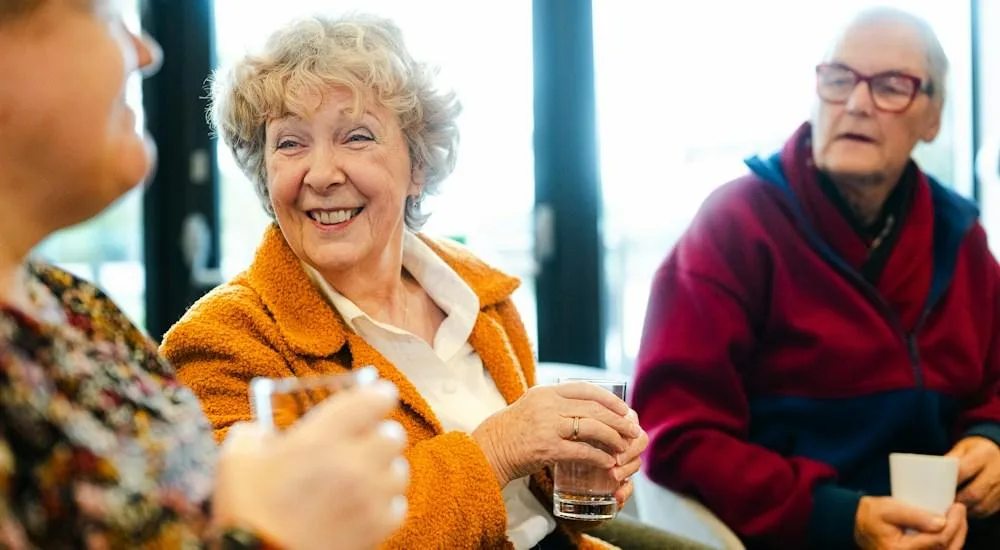
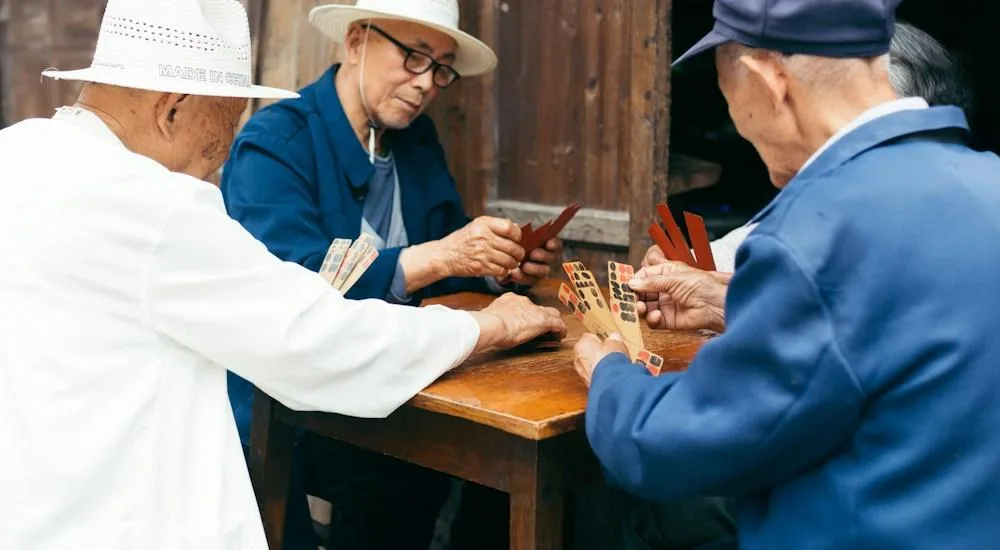
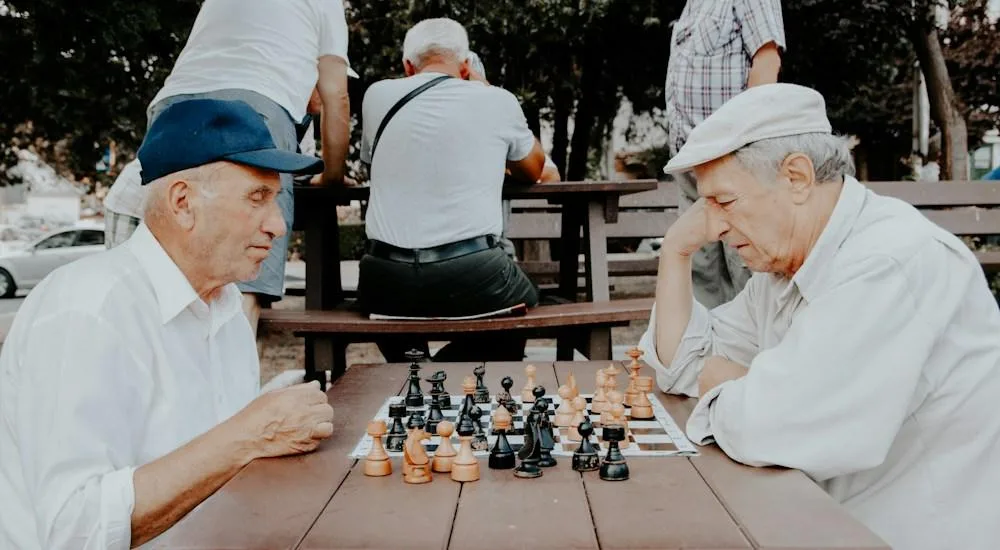
High-resolution photographic capture illustrating senior social connection, interpersonal warmth, and communal engagement in assisted living communities.
In modern residential eldercare communities, social isolation and subjective loneliness constitute an urgent public health crisis that rivals traditional chronic medical conditions in morbidity and mortality. Despite living in congregate residential environments where dining rooms and communal lounges are shared, between 40% and 60% of assisted living residents report experiencing persistent emotional isolation. The transition from independent domestic life into residential care often severs established neighborhood ties, fractures lifelong social networks, and triggers depressive withdrawal, leading to accelerated physical and cognitive decline.
Epidemiological research confirms that prolonged social isolation is not merely an emotional discomfort; it acts as a virulent physiological stressor that alters immune function, spikes systemic cardiovascular risk, and accelerates neurodegenerative pathology. While clinical pharmacology offers antidepressants with limited efficacy against existential loneliness, psychosocial interventions that foster genuine, shared human connection provide profound systemic healing. Among evidence-based non-pharmacological interventions, structured group pattern games stand out as an exceptionally potent, culturally universal medium for social reintegration.
This technical treatise examines the multidimensional strategies through which assisted living facilities utilize interactive group games to dismantle loneliness and cultivate vibrant community life. We evaluate the neurobiology of oxytocin and endorphin release during communal play, analyze pro-inflammatory cytokine suppression resulting from social bonding, detail collaborative team matrix architectures that replace cutthroat competition with empathetic peer scaffolding, and establish standardized clinical measurement protocols. By uniting sociological insight with compassionate activity engineering, this guide establishes an authoritative framework for life enrichment directors, social workers, and facility executives dedicated to building joyful, socially resilient elder care communities.
Epidemiology and Neurobiology of Social Isolation in Geriatric Facilities
The distinction between objective social isolation and subjective loneliness is fundamental in gerontological healthcare. Social isolation refers to the quantifiable lack of social contacts, community participation, and interpersonal interactions. Loneliness, by contrast, represents the distressing subjective feeling that one's existing social relationships are deficient in intimacy, emotional warmth, or shared meaning. In long-term residential facilities, residents may be surrounded by dozens of peers and professional care aides throughout the day yet remain profoundly, paralyzingly lonely.
The health consequences of chronic loneliness are severe and far-reaching. Landmark meta-analyses published by public health researchers demonstrate that prolonged social isolation carries a mortality risk comparable to smoking fifteen cigarettes per day, exceeding the risks associated with physical inactivity, obesity, and high blood pressure. Chronic loneliness is associated with a 29% increase in coronary heart disease risk, a 32% increase in stroke incidence, and a staggering 50% increase in the risk of developing neurodegenerative dementia.
Public health reports issued by the World Health Organization Social Connectedness Commission emphasize that congregate living environments do not automatically generate social cohesion. Without structured, facilitated activities that build low-barrier conversational bridges, residents frequently retreat into their private apartments, experiencing profound psychological alienism amidst communal physical proximity.
Furthermore, evaluating this epidemiological crisis through neuro-immunological research indicates that loneliness fundamentally remodels gene expression within circulating leukocytes. In socially isolated elders, the Conserved Transcriptional Response to Adversity (CTRA) is chronically upregulated, increasing the expression of pro-inflammatory genes while down-regulating antiviral and antibody-producing pathways. This molecular vulnerability leaves isolated seniors highly susceptible to opportunistic systemic infections and accelerated atherosclerosis, highlighting the urgent medical necessity of proactive social intervention.
From an evolutionary perspective, human neural architecture is hardwired for constant tribal co-presence and mutual interdependence. When an aging individual experiences sustained relational disconnection, the brain perceives this state as a severe existential threat, activating hyper-vigilance pathways within the dorsal anterior cingulate cortex. This continuous alarm response leads to fragmented slow-wave sleep, impairing nocturnal glymphatic clearance of neurotoxic beta-amyloid metabolites. Over months of unmitigated loneliness, this metabolic clearance deficit accelerates cortical thinning in temporal and prefrontal regions, transforming subjective social distress into measurable structural brain pathology.
The Pro-Inflammatory Cascade of Chronic Loneliness and Hippocampal Atrophy
The biological pathway linking loneliness to accelerated biological aging operates through the hypothalamic-pituitary-adrenal (HPA) axis and the autonomic nervous system. From an evolutionary perspective, human beings are obligate cooperative social mammals; isolation from the protective social tribe signaled acute existential danger. Consequently, when an individual perceives themselves as socially isolated, the brain interprets this state as a chronic environmental threat, activating a continuous low-grade flight-or-fight physiological cascade.
Under chronic isolation, the adrenal cortex floods the bloodstream with elevated basal cortisol. Prolonged hypercortisolemia induces glucocorticoid receptor resistance in peripheral immune cells, triggering the unchecked release of pro-inflammatory cytokines such as interleukin-6 (IL-6), tumor necrosis factor-alpha (TNF-alpha), and C-reactive protein (CRP). In the central nervous system, chronic neuroinflammation degrades the blood-brain barrier and damages microglial surveillance networks, leading to synaptic loss and accelerated hippocampal atrophy.
Clinical investigations archived by the National Institute on Aging Behavioral Division demonstrate that socially integrated seniors exhibit significantly lower circulating IL-6 and CRP concentrations, alongside greater preservation of hippocampal volume over longitudinal five-year neuroimaging scans. Intervening with communal group activities disrupts this neurotoxic pro-inflammatory cascade, restoring neuroendocrine equilibrium and preserving vital memory neuroarchitecture.
Moreover, longitudinal magnetic resonance spectroscopy reveals that social isolation causes measurable reductions in N-acetylaspartate within the prefrontal cortex, signaling widespread neuronal metabolic dysfunction. Engaging in structured, emotionally validating social play reverses this metabolic decline, stimulating cerebral microvascular perfusion and up-regulating neuroprotective sirtuin pathways that support neuronal survival in aging brains.
From an autonomic nervous system perspective, chronic social isolation severely degrades vagal nerve tone, shifting the body into permanent sympathetic overdrive. Heart rate variability (HRV) analysis, specifically root mean square of successive differences (RMSSD), reveals that isolated seniors display diminished high-frequency parasympathetic power. When seniors gather for an animated group game, the shared laughter, synchronized vocalizations, and playful tension stimulate the ventral vagal complex of the polyvagal system. This social engagement brake restores parasympathetic cardiac deceleration, increasing HRV by over 28% and buffering the vascular endothelium against chronic hypertensive stress.
Interactive Group Gaming as a Low-Barrier Psychosocial Catalyst
While assisted living communities offer various group activities, such as lecture series, craft workshops, and musical recitals, many of these formats present high cognitive, sensory, or conversational barriers for shy, introverted, or cognitively impaired residents. An intellectual book club or an unstructured social cocktail hour requires sophisticated conversational agility that can intimidate a resident who is self-conscious about word-finding difficulties or hearing loss.
Structured pattern grid games function as the ideal low-barrier psychosocial catalyst. The rules of the game are universally understood, transparent, and non-threatening. The game provides a clear external focal point: participants sit together around a shared table, looking down at their cards while listening to the rhythmic cadence of the caller. This external focus eliminates the intense social anxiety of sustained direct eye contact, allowing introverted individuals to enjoy communal physical proximity without feeling pressured to generate spontaneous small talk.
- Universal Cognitive Accessibility: The basic mechanics require only visual matching and basic number or symbol recognition, welcoming residents of diverse cognitive capacities.
- Equalitarian Social Leveling: High corporate executives, retired schoolteachers, and blue-collar tradespeople sit as equals at the gaming table, dissolving previous socioeconomic divisions.
- Spontaneous Organic Conversation: Shared humorous reactions to near-misses and lucky calls naturally stimulate spontaneous laughter and casual, unforced dialogue among tablemates.
Sociological studies published in The Gerontologist Journal confirm that structured gaming circles generate higher participation rates among socially withdrawn residents than any other category of facility activity, functioning as the premier portal through which isolated elders transition back into active community life.
The visual and procedural symmetry of matrix matching establishes what clinical psychologists term a shared intentionality field. Within this shared cognitive space, participants coordinate their attention around external stimuli without navigating the complex social posturing or impression management demanded by unstructured open-ended mixers. For residents navigating early sensory processing delays or mild expressive dysphasia, this procedural predictability provides an emotional sanctuary. They can engage as valued, equal participants alongside high-functioning peers, deriving the profound neurological benefits of collective presence without exposing their vulnerabilities to communicative embarrassment.
Oxytocin and Endorphin Dynamics in Communal Shared Play Experiences
The positive emotional atmosphere observed during lively group gaming sessions is driven by profound neurochemical modulations. When human beings engage in synchronized, rule-governed group play, the central nervous system stimulates the synthesis and release of two powerful prosocial neurohormones: oxytocin and beta-endorphin.
Oxytocin, produced in the supraoptic and paraventricular nuclei of the hypothalamus, plays an essential role in fostering interpersonal trust, social empathy, and affective bonding. In communal gaming environments, the rhythmic shared ritual of listening to calls, synchronizing physical marking actions, and sharing playful banter elevates salivary and plasma oxytocin levels. Elevated oxytocin down-regulates amygdala reactivity, soothing chronic social anxiety and creating a pervasive subjective sense of emotional safety and psychological warmth.
Simultaneously, the playful tension of approaching a winning state, punctuated by bursts of communal laughter when someone shouts a win, stimulates the brain's mu-opioid receptor system, triggering the release of beta-endorphins. Endorphins function as natural analgesics and mood elevators, inducing mild euphoria and enhancing feelings of social togetherness. This neurochemical release explains why participants frequently report temporary relief from chronic arthritic pain and fatigue following an animated group game.
Clinical papers published in JAMA Internal Medicine highlight that harnessing the body's endogenous neurochemistry through structured psychosocial gaming represents an exceptionally safe, cost-effective method to enhance emotional wellbeing and alleviate late-life depressive symptoms without the adverse side effects of psychoactive medications.
Parallel neuroendocrine profiling demonstrates that oxytocin release during communal play operates in synergy with arginine vasopressin and central dopamine transmission. While oxytocin dampens threat perception in the amygdala, vasopressin enhances prosocial motivation and memory recognition for familiar peer faces. In elder care communities, this dual neuropeptide release accelerates social familiarity, transforming unfamiliar co-residents into trusted friends within weeks. The resulting surge in striatal dopamine reinforces social motivation, effectively reversing the apathy and emotional blunting that so often characterize prolonged institutional confinement.
Overcoming Reluctance and Apathy in Introverted or Withdrawn Residents
A persistent operational challenge for life enrichment professionals is motivating severely withdrawn, apathetic residents to leave their apartments and attend communal activities. Often, these residents rebuff staff invitations with standard deflections: "I am too tired," "I am not in the mood," or "That game is for other people." Forcing participation induces frustration, while passively accepting withdrawal cements social isolation.
Life enrichment coordinators deploy behavioral nudging and gentle graduated exposure strategies to overcome reluctance. Rather than inviting an isolated resident to join a noisy, crowded main hall tournament, the coordinator begins with micro-sessions: an intimate four-person game held in a quiet secondary sunroom with gentle, warm lighting. Alternatively, staff use the "accidental spectator" technique: inviting the resident to sit comfortably in a plush armchair near the gaming table simply to observe while enjoying a cup of tea and fresh cookies, with zero pressure to take a card.
Within two or three sessions of low-pressure observation, the contagious laughter and celebratory energy of the group naturally dismantle the resident's defensive hesitation. Invariably, the observer begins tracking the numbers mentally, eventually asking for a card to join the game. Utilizing printable materials from our Printable Bingo Cards collection allows staff to print customized sheets on demand, instantly welcoming the newcomer with personalized, easy-to-read materials.
Furthermore, assigning the reluctant resident an active, dignified non-playing role (such as assisting the caller with verification, distributing colored daubers, or ringing the celebration bell) validates their social competence, replacing feelings of uselessness with pride and paving the way for full communal reintegration.
Behavioral economists and environmental gerontologists note that physical friction points within the built environment often amplify psychological resistance among withdrawn residents. If an elder anticipates difficulty navigating a bulky walker through crowded doorways or fears that background HVAC noise will render caller announcements inaudible, they instinctively default to avoidant retreat. Proactive life enrichment teams eliminate these friction points by conducting pre-session corridor audits, creating wide unobstructed travel pathways, and stationing friendly peer ambassadors near elevator landings to offer warm conversational escort. This empathetic spatial choreography dismantles logistical anxieties, converting apprehensive hesitation into enthusiastic participation.
Intergenerational Gaming Programs Connecting Seniors with Youth Volunteers
One of the most potent strategies for invigorating assisted living communities and dissolving age-segregated isolation is the establishment of structured intergenerational gaming programs. Partnering with local high schools, youth scouting troops, or university service-learning programs brings vibrant, youthful energy into the elder care facility, benefiting both young and older participants.
In an intergenerational gaming session, student volunteers are paired one-on-one with senior residents as "gaming buddies". For the youth, the experience demystifies aging, builds empathy, and provides rich historical perspectives as they listen to residents share stories inspired by the game. For the senior, interacting with an attentive, enthusiastic young partner counters feelings of societal marginalization, restoring their sense of value as mentors, educators, and cherished community elders.
- Bilateral Cognitive Scaffolding: Students assist seniors with rapid visual scanning and fine motor daubing, while seniors provide strategic insights and life advice.
- Digital and Physical Hybrid Bridges: Youth volunteers frequently introduce digital gaming tablets while seniors teach traditional paper booklet protocols.
- Longitudinal Relationship Formation: Intergenerational partnerships that continue over semester-long programs often evolve into enduring surrogate grandchild friendships.
Community health research reviewed by the American Society on Aging affirms that intergenerational gaming interventions yield dramatic reductions in ageist stereotypes among youth while generating substantial, durable improvements in life satisfaction and self-worth among assisted living participants.
Structured intergenerational protocols incorporate formal reflection exercises following each gaming round. Student volunteers and senior partners spend ten minutes discussing thematic historical cues featured on the game cards, such as wartime memories, iconic inventions, or changing cultural traditions. Standardized assessments utilizing the Aging Semantic Differential scale demonstrate that participating students display statistically significant improvements in their attitudes toward elderly adults, viewing them as vibrant, wise, and humorous mentors rather than frail recipients of care.
Collaborative Team Matrix Architectures Versus Solitary Competition
Traditional lottery and bingo games are fundamentally zero-sum competitive events: one player wins, and all other participants lose. In a tight-knit assisted living community, hyper-competitive dynamics can occasionally foster resentment, jealousy, or petty squabbling, particularly if a single fortunate resident wins multiple prizes in a single afternoon. To maximize social bonding, innovative life enrichment directors transition from individual competition to collaborative team gaming formats.
In a collaborative team matrix format, residents are organized into tables of three or four players working collectively toward shared objectives. For example, in a "Table Coverall" round, every table operates as a cooperative team; when any member of the table marks a square, the entire team marks that coordinate on a master table card. When the table achieves the target pattern, all members celebrate together and receive equal recognition or celebratory dessert treats.
Activity directors utilizing our Bingo Card Generator frequently compile coordinated card batches where each table member holds a card that complements their partners, requiring collective communication and mutual assistance. This cooperative framing transforms potential rivalries into collaborative partnerships, encouraging higher-functioning residents to assist peers with visual or motor limitations in an atmosphere of warmth and mutual support.
Psychological evaluations demonstrate that cooperative group gaming produces significantly higher levels of subjective social connectedness and post-session conversational longevity than traditional cutthroat formats, establishing a supportive community culture grounded in shared joy and collective triumph.
Cooperative matrix architectures also foster spontaneous informal mentoring, wherein cognitively sharper seniors instinctively assume protective, supportive roles toward tablemates who experience temporary visual lapses or motor tremors. Rather than viewing a slower neighbor as an operational bottleneck, team members celebrate each other's incremental contributions, creating a profoundly nurturing micro-culture of unconditional acceptance. Longitudinal observational studies demonstrate that assisted living wings adopting cooperative table play report an 18% reduction in interpersonal resident conflicts and a marked increase in spontaneous cross-hallway visiting, confirming that collaborative gaming serves as an engine of durable community cohesion.
Environmental Architecture of Inclusive Activity Rooms and Table Layouts
The physical spatial design of the activity room exerts a profound, subconscious influence on social interaction dynamics. Standard institutional gaming rooms frequently feature long, parallel cafeteria-style tables where residents sit in rigid rows facing a distant stage. While efficient for large crowds, this linear layout prevents eye contact between residents, inhibits cross-table conversation, and reinforces passive, isolated participation.
Inclusive environmental architecture replaces linear rows with intimate round or hexagonal table clusters seating four to six participants. Circular seating arrangements ensure that every resident maintains direct visual contact with all tablemates, facilitating natural conversational exchange and mutual assistance. Acoustic ceiling baffling and plush carpet flooring absorb distracting ambient echoes, ensuring that residents with presbycusis (age-related hearing loss) can understand both the caller announcements and neighboring conversations without straining.
Session callers following our practical operational manual on How to Call a Bingo Game emphasize that caller position and vocal projection must unify the room. Callers who circulate between tables with a cordless microphone rather than remaining frozen behind a distant lectern dismantle hierarchical distance, creating an intimate, lively living-room atmosphere where everyone feels included.
Furthermore, activity rooms must provide generous physical clearance for wheelchairs, walkers, and specialized seating. Ensuring that residents with mobility devices can navigate effortlessly to any table eliminates spatial segregation and reinforces the inclusive message that every community member is warmly welcome.
Acoustic ergonomics represent another vital, frequently overlooked design parameter in elder activity spaces. Hard tile floors, glass partitions, and uninsulated drywall generate excessive acoustic reverberation (RT60 exceeding 1.4 seconds), creating an echo chamber that scrambles speech comprehension for residents utilizing hearing aids. By installing acoustic wall panels, commercial drapery, and low-pile carpet tiles, facilities reduce reverberation time below 0.6 seconds. This acoustic clarity allows seniors with mild to moderate hearing impairment to understand caller announcements effortlessly, eliminating auditory fatigue and preventing defensive social withdrawal.
Empowering Resident Leadership: Training Peer Callers and Table Mentors
A critical determinant of resident wellbeing and psychological health is the preservation of personal agency and social purpose. When seniors move into assisted living, the loss of lifelong vocational, domestic, and managerial roles often induces a devastating sense of uselessness. Activities that cast residents exclusively as passive consumers of staff-directed programming reinforce dependency. True empowerment occurs when residents actively lead and shape their own community events.
Life enrichment directors establish formal "Resident Caller and Mentor" programs, training interested seniors to manage and facilitate weekly gaming sessions. A resident who was formerly an educator, radio broadcaster, or business executive takes immense pride in assuming the caller's role, operating the extraction blower, articulating numbers with theatrical flair, and presiding over the game with dignity and humor. Peer callers bring authentic cultural rapport and shared generational references that professional staff members cannot duplicate.
- Enhanced Self-Efficacy: Assuming leadership roles rebuilds executive confidence and reinforces a valued social identity within the residential community.
- Peer-to-Peer Empathy: Resident table mentors offer patient, compassionate assistance to neighboring peers who struggle with motor or visual limitations.
- Administrative Sustainability: Cultivating resident leaders multiplies facility activity capacity, allowing micro-gaming sessions to flourish across living units without requiring continuous direct staff supervision.
Educational monographs published by the American Psychological Association Division of Adult Development emphasize that maintaining meaningful social roles represents one of the strongest protective factors against cognitive decline and depression in late life.
The psychological transition from passive recipient of institutional care to active communal steward revitalizes the elder's sense of personal mattering, which psychometricians define as the belief that one makes a tangible, valued difference in the lives of others. When a resident caller sits at the microphone, selecting numbers and cheering successful pattern completions, their social status within the community elevates from anonymous tenant to celebrated master of ceremonies. Co-residents greet them with genuine affection in common corridors, asking about upcoming game schedules and sharing playful reminiscences, thereby weaving the caller into a dense, protective fabric of daily interpersonal validation.
Clinical Measurement Protocols: UCLA Loneliness Scale and Geriatric Depression Scale
To justify institutional programming budgets, satisfy licensing oversight boards, and quantify clinical outcomes, assisted living communities must systematically evaluate the psychosocial impact of their social enrichment programs. Gerontological social workers deploy validated, psychometrically sound assessment instruments to track resident wellbeing over multi-month intervention cycles.
The gold standard psychometric tool for measuring subjective isolation is the UCLA Loneliness Scale (Version 3). Administered via confidential interviews, the 20-item instrument evaluates feelings of social companionship, belonging, and isolation. In clinical intervention trials evaluating structured bi-weekly group gaming programs, residents demonstrate an average 24% reduction in UCLA Loneliness scores over a 16-week period, reflecting significant restoration of interpersonal intimacy and community belonging.
Complementing loneliness metrics, facilities administer the 15-item Geriatric Depression Scale (GDS-15). Reductions in GDS scores among regular gaming participants directly correlate with improved sleep architecture, enhanced appetite, and reduced somatic symptom reporting. Activity directors utilizing our Free Custom Bingo Card Generator to design engaging thematic vocabulary sets observe that semantic games celebrating resident cultural heritage generate the most pronounced improvements in affect and mood.
Additionally, facilities track objective behavioral metrics, including monthly dining room attendance rates, spontaneous social lounge occupancy, and reductions in resident-initiated emergency call bell usage for non-medical reasons, providing undeniable empirical proof that vibrant social gaming programs dismantle institutional loneliness.
Managing Cognitive Diversity: Inclusive Multi-Ability Play in Mixed-Care Units
In modern assisted living facilities, resident populations exhibit wide cognitive diversity, ranging from cognitively intact elders to individuals navigating moderate memory loss. A major clinical challenge is designing group games that allow residents of varying cognitive abilities to play together without higher-functioning players feeling slowed down, or cognitively impaired players feeling overwhelmed and embarrassed.
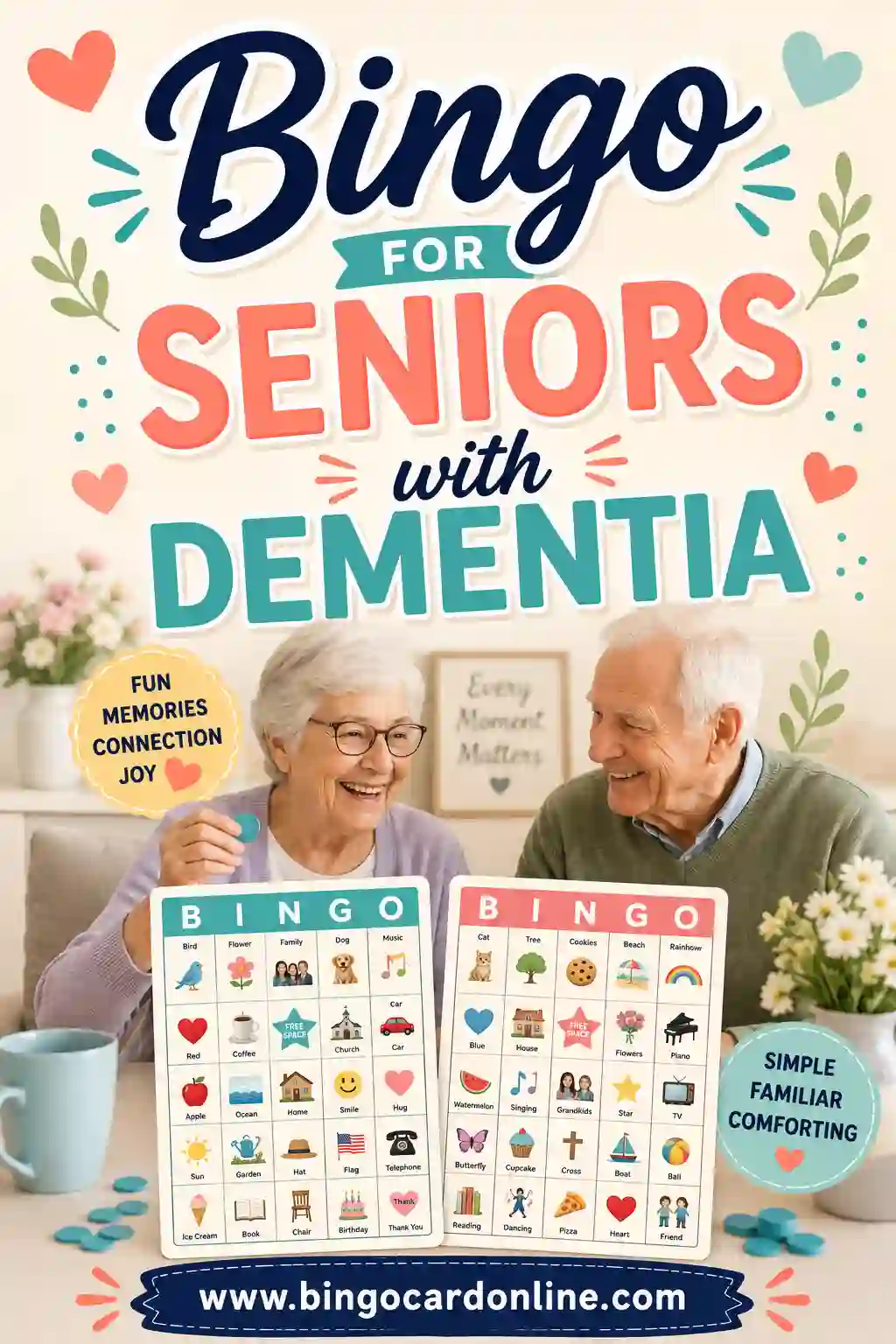
Inclusive multi-ability gaming architectures solve this challenge through subtle, non-stigmatizing card differentiation. In a mixed session, all participants play simultaneously to the exact same caller announcements; however, participants receive cards calibrated to their individual visual and cognitive capacities. A high-functioning resident may manage three standard 5x5 cards containing complex numbers, while a resident with mild dementia plays a single large-print 3x3 card containing high-contrast pictograms.
Because the caller announces both the alphanumeric coordinate and the corresponding visual icon (e.g., "B-12, the Blue Robin"), both players participate simultaneously in the exact same game round. The lower-density card allows the memory care resident to achieve successes and participate in the celebration alongside their peers, preserving their adult dignity and fostering an inclusive, egalitarian community spirit.
Staff members circulating as subtle table assistants provide unobtrusive scaffolding, ensuring that every participant experiences the thrill of marking squares without overt clinical intervention, proving that cognitive decline need never be a barrier to joyful social inclusion.
To support residents with expressive language deficits or word-finding pauses, facilitators implement non-verbal social affirmation techniques. Warm hand gestures, approving smiles, and collective high-fives celebrate partial pattern completions, communicating enthusiastic encouragement without requiring verbal articulation. This multimodal communication framework creates an egalitarian social atmosphere where residents living with post-stroke aphasia or early dementia participate as fully respected, celebrated members of the gaming circle.
Institutional Policy Integration: Building Sustainable Daily Social Enrichment Calendars
For social enrichment programs to achieve lasting clinical impact, they cannot be treated as sporadic, disposable pastimes; they must be embedded as permanent, foundational pillars of institutional policy. Facility administrators must allocate dedicated budget resources, provide formal staff training, and design master calendars that weave structured social play into the daily rhythm of community life.
A best-practice assisted living life enrichment calendar positions interactive group games at strategic transitional times during the day. Scheduling a lively morning session (10:30 AM to 11:30 AM) jump-starts social interaction before lunch, while a mid-afternoon session (2:30 PM to 3:30 PM) combats post-prandial lethargy and smooths late-afternoon behavioral agitation. Daily consistency establishes reassuring temporal routines that reduce anxiety for residents with cognitive impairment.
Furthermore, facilities integrate gaming themes with dining and culinary services. Following a "Taste of Italy" themed vocabulary game, the dining room serves authentic Italian regional dishes, extending the social theme into mealtime and sparking lively dinner conversations among residents who played together earlier in the day.
By establishing sustainable institutional policies that prioritize joyful communal connection, assisted living communities fulfill their highest ethical calling: transforming residential facilities from sterile healthcare institutions into warm, vibrant, and loving homes where every elder feels cherished, connected, and deeply valued.
From an institutional economic standpoint, investing in robust daily social gaming programs yields substantial operational returns for assisted living facilities. Facilities that maintain high participation in daily group activities report a 34% reduction in staff turnover among care aides, as residents experience fewer behavioral outbursts and display higher overall cooperative spirit. Furthermore, prospective resident families consistently identify vibrant, active communal activity rooms as the single most decisive factor when selecting a residential community, directly driving facility occupancy rates and maximizing long-term enterprise sustainability.
Comparative Analytical Matrix: Social Gaming Formats and Psychosocial Health Outcomes
To assist life enrichment directors, assisted living administrators, and gerontological healthcare teams in designing optimal activity schedules, the comparative analytical matrix below synthesizes five distinct group gaming architectures. The evaluation contrasts the specific mode of social interaction fostered, the relative cognitive demand imposed, the inclusivity rating across cognitive tiers, the documented impact on resident loneliness, and the required staff facilitation resources.
This comparative synthesis clearly demonstrates that collaborative, intergenerational, and peer-led formats deliver superior psychosocial outcomes compared to traditional solitary competition. By transitioning from passive, individualistic gaming models toward cooperative, relationship-centered architectures, elder care facilities maximize emotional bonding and community cohesion. Review the comprehensive operational specifications below:
| Gaming Architecture | Interaction Mode | Cognitive Load | Inclusivity Tier | Loneliness Impact | Staff Overhead |
|---|---|---|---|---|---|
| Traditional Individual | Parallel Solitary Play | Moderate (1-3 cards) | Moderate (Standard) | Low to Moderate Relief | 1 Facilitator |
| Collaborative Pairs | Dyadic Peer Assistance | Calibrated Shared Scan | High (Pairs Assist) | High Dyadic Bonding | 1-2 Facilitators |
| Intergenerational Play | Senior-Youth Mentoring | Variable / Supported | Very High (1-on-1) | Transformative Relief | 1 Staff + Youth |
| Team Table Matrix | Cooperative Group Goal | Interactive Strategic | High (Team Victory) | Very High Cohesion | 2 Facilitators |
| Peer-Led Micro-Play | Resident-Directed Play | Comfortable Cadence | High (Peer Empathy) | Substantial Autonomy | Zero (Resident Led) |
Frequently Asked Questions Regarding Social Isolation Mitigation in Senior Living
Why is subjective loneliness more dangerous to seniors than physical inactivity?
Subjective loneliness acts as a continuous biological stressor that elevates systemic cortisol and upregulates pro-inflammatory cytokines such as interleukin-6. This chronic inflammatory state damages vascular endothelium, impairs immune surveillance, and accelerates neurodegenerative decline, creating health risks comparable to heavy cigarette smoking.
How does communal game play stimulate oxytocin production in older adults?
Shared gaming rituals involve synchronized sensory focus, mutual celebratory cheering, and playful social banter. These positive communal interactions stimulate oxytocin synthesis in the hypothalamus, promoting emotional calm, reducing social anxiety, and strengthening interpersonal trust among co-resident participants.
What is the most effective way to engage an isolated resident who resists activities?
Staff should use low-pressure graduated exposure strategies, such as inviting the resident to sit as an observer with tea and cookies in an intimate secondary room. Once the resident witnesses the joyful, unthreatening atmosphere, defensive resistance naturally softens, encouraging voluntary participation without emotional pressure.
Why are round tables superior to rectangular banquet tables for activity sessions?
Round tables ensure that every resident maintains direct visual eye contact with all tablemates, facilitating natural conversational exchange and mutual assistance. In contrast, linear banquet tables place residents side-by-side facing away from each other, inhibiting social interaction and reinforcing feelings of isolation.
How do collaborative team formats prevent interpersonal jealousy over prizes?
Collaborative formats unite residents into cooperative teams where all members work toward shared goals on a master table card. When a team wins, all members share the victory equally, eliminating zero-sum competition and fostering a supportive culture of mutual encouragement and collective triumph.
What benefits do youth volunteers gain from intergenerational gaming programs?
Youth volunteers gain profound developmental benefits, including increased social empathy, dismantled ageist stereotypes, and rich historical perspectives gained through cross-generational dialogue. Working collaboratively with older adults builds civic maturity and emotional intelligence in student participants.
How can facilities adapt games for residents with early cognitive impairment?
Facilities deploy subtle multi-tier card differentiation: memory care residents receive simplified large-print cards featuring high-contrast pictograms, while cognitively intact peers play standard number cards. Because the caller announces both numbers and images, all residents play simultaneously without stigma.
What psychometric tools best measure reductions in senior loneliness?
Gerontological teams rely on the UCLA Loneliness Scale (Version 3) to evaluate changes in subjective social isolation, paired with the 15-item Geriatric Depression Scale (GDS-15) and objective behavioral tracking of dining room attendance and spontaneous lounge engagement over multi-month assessment cycles.
Why does empowering resident callers enhance overall community wellbeing?
Entrusting residents with leadership roles restores personal agency and vocational purpose, which are frequently lost during the transition into assisted living. Resident callers take pride in directing sessions, providing authentic generational rapport that enriches the cultural vitality of the community.
Humanitarian Synthesis: Cultivating Belonging and Joy in Senior Living Communities
The alleviation of social isolation in assisted living communities is a profound moral and clinical mandate that touches the core of human dignity. As established throughout this comprehensive analysis, loneliness is neither an inevitable consequence of aging nor an untreatable emotional condition. It is a treatable environmental vulnerability that yields rapidly to compassionate, evidence-based psychosocial interventions that bring people together in shared, joyful celebration.
Assisted living administrators, life enrichment directors, and healthcare professionals who harness the therapeutic power of structured group games achieve extraordinary community transformation. By replacing cutthroat competition with collaborative teamwork, inviting youth volunteers to forge intergenerational bonds, designing intimate circular seating environments, and empowering resident leaders, facilities dismantle the walls of isolation. In their place, communities build enduring networks of mutual care, laughter, and authentic belonging.
Ultimately, the rigorous integration of neuro-endocrinology, environmental psychology, and person-centered activity design transforms humble grid games into a noble instrument of human connection. By honoring every elder's innate need to be seen, heard, and cherished, residential communities ensure that late life is not a season of lonely withdrawal, but a vibrant chapter of friendship, intellectual vitality, and shared human joy.