Cognitive Stimulation Therapy Through Structured Grid Games in Geriatric Memory Care
Published by the clinical research division under Joan Ramos, lead computational gaming analyst, examining evidence-based non-pharmacological interventions and cognitive rehabilitation methodologies in geriatric populations.

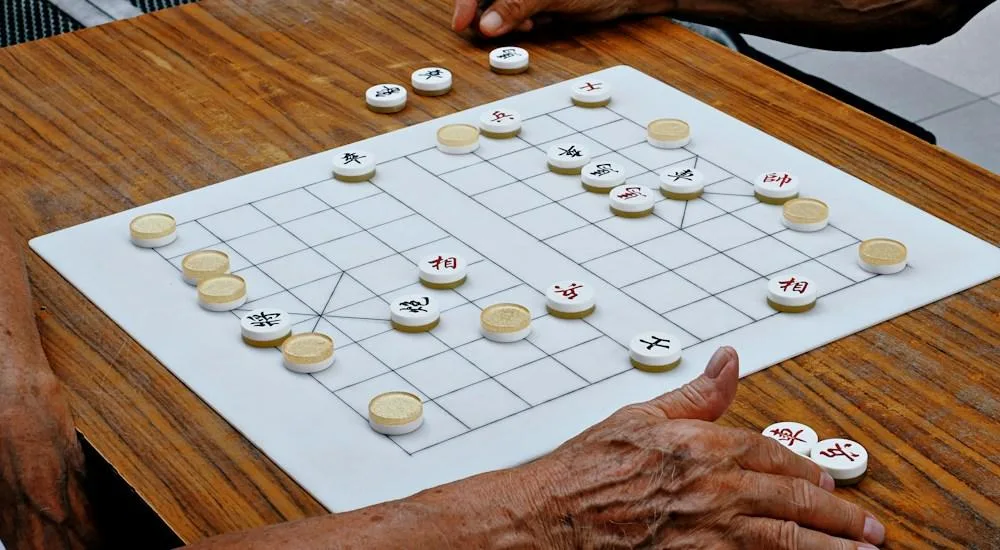
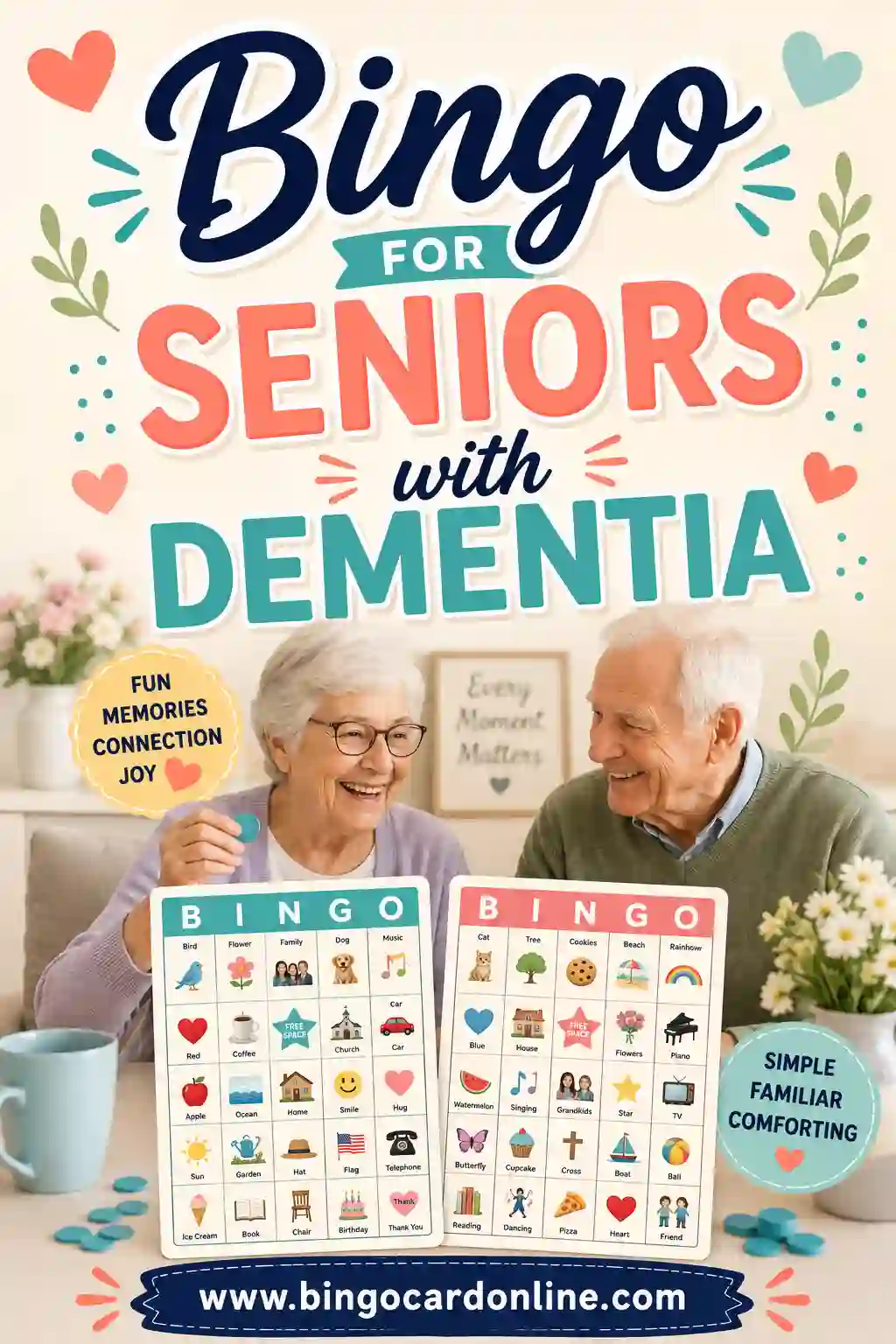
High-resolution photographic capture representing senior engagement, social interaction, and cognitive stimulation activities in elder care settings.
In modern geriatric healthcare and residential memory care communities, non-pharmacological interventions represent a critical cornerstone in slowing cognitive decline and improving quality of life for individuals diagnosed with Alzheimer's disease, vascular dementia, and mild cognitive impairment. While pharmaceutical therapies target amyloid deposition and neurotransmitter depletion with modest symptomatic efficacy, structured behavioral interventions actively preserve functional neuroarchitecture through synaptic recruitment. Among these evidence-based non-pharmacological approaches, Cognitive Stimulation Therapy (CST) stands out as an internationally recognized gold standard protocol endorsed by health guidelines worldwide.
At the center of clinical CST activities lies the structured pattern grid game. Far from being merely a casual recreational pastime, a clinical grid game represents a multifaceted neuropsychological exercise that simultaneously engages auditory processing, visual scanning, executive inhibition, working memory, and fine motor coordination. When an elder participant listens to a verbal cue, holds the coordinate in phonological working memory, visually scans a matrix, identifies the corresponding cell, and applies a manual marker, their brain executes an intricate cascade of neural computations across widespread cortical networks.
This clinical treatise explores the neurobiological mechanisms through which structured grid activities stimulate neuroplasticity and mitigate dementia progression. We evaluate functional magnetic resonance imaging evidence of cross-modal sensory integration, detail working memory buffer activation within the prefrontal cortex, analyze oxytocinergic social facilitation in assisted living communities, and formulate clinical guidelines for adapting matrix density to progressive neurodegenerative stages. By synthesizing neuropsychological evidence with compassionate therapeutic design, this guide provides clinicians, occupational therapists, and memory care directors with an authoritative blueprint for optimizing cognitive health in aging populations.
Clinical Neurobiology of Cognitive Stimulation Therapy in Dementia Protocols
Cognitive Stimulation Therapy (CST) was developed by clinical psychologist Dr. Aimee Spector as an evidence-based group intervention specifically designed for individuals living with mild to moderate dementia. Unlike unstructured casual entertainment, CST is grounded in psychological learning theory, social facilitation mechanics, and executive function rehabilitation. Clinical trials published in major psychiatric journals demonstrate that structured CST produces statistically significant improvements in general cognition, communicative fluency, and self-reported quality of life, matching the therapeutic effect sizes of acetylcholinesterase inhibitor medications.
The neurobiological efficacy of CST operates through multi-domain cognitive activation. Rather than training an isolated memory skill in a sterile laboratory setting, CST immerses the participant in meaningful, multisensory tasks that demand synchronized neural firing across divergent brain regions. In a structured matrix game, the brain must continuously coordinate primary auditory cortex decoding in Heschl's gyrus, visual feature binding in the ventral occipitotemporal stream, and spatial coordinate mapping in the posterior parietal lobule.
Global therapeutic guidelines maintained by the World Health Organization Dementia Program recommend group cognitive stimulation as an essential first-line psychosocial treatment across all dementia care pathways. When delivered consistently in twice-weekly forty-five-minute protocols, structured grid games sustain synaptic connectivity in vulnerable cholinergic pathways, helping to preserve day-to-day functional independence and slowing institutionalization rates among community-dwelling elders.
Furthermore, evaluating this clinical protocol through neurochemical profiling indicates that structured cognitive engagement modulates systemic stress markers. Chronic neurodegenerative decline is frequently exacerbated by elevated glucocorticoid levels and hypothalamic-pituitary-adrenal axis dysregulation. By providing a structured, failure-free cognitive environment with clear sensory feedback, CST reduces salivary cortisol levels among memory care residents, creating a permissive neurochemical milieu that protects vulnerable hippocampal pyramidal neurons against excitotoxic damage.
Neuroplasticity and Synaptic Reserve Maintenance in Aging Neural Networks
For decades, classical neurobiology assumed that the adult human brain was incapable of substantial structural reorganization following maturity. However, modern neuroimaging has thoroughly dismantled this static paradigm, demonstrating that activity-dependent neuroplasticity persists well into the eighth and ninth decades of life. The brain maintains an inherent capacity to sprout new dendritic spines, unmask latent synaptic pathways, and reallocate functional computational tasks from damaged cortical areas to intact homologous regions.
Engaging in complex pattern matching exercises stimulates the expression of Brain-Derived Neurotrophic Factor (BDNF) and nerve growth factors within the dentate gyrus of the hippocampus. BDNF acts as a molecular fertilizer, promoting long-term potentiation and facilitating the physical stabilization of synaptic boutons. In elderly adults confronting progressive neurofibrillary tangle pathology, sustained cognitive challenge builds "cognitive reserve", a structural and functional buffer that allows individuals to maintain intact everyday cognitive functioning despite substantial neuropathological burden.
Longitudinal aging studies archived by the National Institute on Aging demonstrate that seniors who participate regularly in structured, intellectually demanding group games display greater preservation of grey matter volume in the dorsolateral prefrontal cortex and anterior cingulate gyrus compared to sedentary controls. This structural resilience translates directly into superior executive control and delayed symptom onset in neurodegenerative disorders.
Moreover, diffusion tensor imaging studies reveal that regular participation in multisensory matrix games helps preserve white matter microstructural integrity. In normal aging and early Alzheimer's disease, oligodendrocyte dysfunction causes fractional anisotropy degradation across major association tracts such as the superior longitudinal fasciculus. By stimulating synchronized, high-frequency oscillatory activity across frontoparietal networks, structured cognitive exercises preserve myelin sheath integrity, maintaining rapid axonal conduction velocity and preventing cognitive slowing.
Additionally, sustained intellectual engagement exerts a down-regulating effect on neuroinflammatory microglial activation. Chronic pro-inflammatory cytokines such as interleukin-1 beta and tumor necrosis factor-alpha accelerate neurodegenerative cascades in Alzheimer's pathology. Clinical studies demonstrate that active, socially stimulating cognitive routines modulate microglial phenotypes toward neuroprotective, phagocytic states that help clear soluble oligomeric toxins and sustain healthy cerebral microcirculation.
Auditory-Visual Cross-Modal Integration in Pattern Recognition Tasks
The core cognitive mechanic of a grid game requires seamless cross-modal sensory translation: converting an incoming auditory verbal signal into a spatial visual coordinate. When the session leader announces a target (such as "Letter B, Number Twelve" or "Summer Garden, Sunflower"), the participant's sensory apparatus must execute a multi-step decoding sequence that spans several distinct neurological processing hubs.
First, the auditory signal is captured by the cochlea and transmitted via the auditory nerve to the primary auditory cortex (A1) and Wernicke's area in the superior temporal gyrus, where phonological decoding extracts linguistic meaning. Second, this auditory representation is routed through the superior temporal sulcus, a primary cross-modal convergence zone that binds auditory and visual information. Third, the decoded concept is transferred to the dorsal and ventral visual processing streams. The ventral stream (the "what" pathway running through inferior temporal cortex) identifies the visual glyph or image on the card, while the dorsal stream (the "where" pathway extending into the posterior parietal cortex) calculates its spatial coordinates.
- Phonological Loop Buffering: The auditory cue is rehearsed in Baddeley's phonological loop while the visual system conducts a serial search across matrix coordinates.
- Saccadic Foveation Control: Frontal eye fields coordinate rapid eye movements to center candidate squares within high-acuity foveal vision for feature verification.
- Inhibitory Distractor Filtering: The anterior cingulate cortex suppresses attention toward irrelevant neighboring squares, preventing cognitive interference and false-positive markings.
Comprehensive neurological reviews published in The Lancet Neurology emphasize that cross-modal sensory integration exercises represent one of the most effective non-pharmacological methods to stimulate widespread cortical networks. In aging brains where sensory processing speed naturally declines, regularly exercising these cross-modal pathways prevents sensory gating deficits and sharpens daily perceptual acuity.
Working Memory Buffer Engagement and Central Executive Activation
Working memory, the cognitive system responsible for temporarily holding and manipulating information during complex tasks, is particularly vulnerable to age-related degradation and neurodegenerative pathology. In Alzheimer's disease, early synaptic loss within the entorhinal cortex and hippocampal formation severely disrupts the transfer of immediate sensory inputs into short-term storage buffers.
Structured grid games provide continuous, calibrated exercise for all four components of Baddeley's classic working memory model: the central executive, the phonological loop, the visuospatial sketchpad, and the episodic buffer. When an elder hears an announcement, the phonological loop stores the acoustic trace for 1.5 to 2 seconds. Simultaneously, the visuospatial sketchpad constructs an internal mental map of the card's current marked status, tracking incomplete lines that require specific coordinates to achieve completion.
The central executive, anchored within the dorsolateral prefrontal cortex (Brodmann areas 9 and 46), orchestrates cognitive resources throughout this sequence. It updates the mental scoreboard, shifts visual attention between rows, and suppresses impulsive marking behavior. Clinicians deploying printable materials from our Printable Bingo Cards library can adjust cell typography and grid dimensions to match the specific working memory span of their resident groups, preventing cognitive overload while providing optimal rehabilitation stimulus.
Neuropsychological evaluations demonstrate that this structured working memory buffering produces measurable transfer effects to activities of daily living. Elders who maintain active working memory routines through weekly matrix games exhibit superior performance in managing complex medication schedules, following multi-step cooking recipes, and engaging in multi-turn interpersonal conversations, directly supporting sustained independence within residential environments.
Recent advances in functional Near-Infrared Spectroscopy (fNIRS) provide real-time neuroimaging confirmation of these prefrontal activation patterns. When geriatric participants with mild cognitive impairment scan a matrix layout, fNIRS sensors record robust increases in oxygenated hemoglobin concentration across bilateral dorsolateral prefrontal cortices and frontopolar areas. This robust hemodynamic response demonstrates that even in brains exhibiting early neurodegenerative changes, structured visual coordinate tasks successfully recruit compensatory prefrontal neural reserve, physically counteracting the microvascular hypoperfusion that typically accelerates dementia pathology.
Adapting Matrix Complexity Across Stages of Neurocognitive Decline
A fundamental principle of clinical Cognitive Stimulation Therapy is the "just-right challenge": an activity must be sufficiently demanding to promote neuroplasticity, yet achievable enough to avoid frustration, agitation, or catastrophic withdrawal. In a heterogeneous memory care community, residents display widely divergent cognitive capabilities, ranging from mild forgetfulness to severe spatial disorientation. Delivering a one-size-fits-all game is clinically counterproductive.
Occupational therapists adapt grid complexity by manipulating three core dimensional variables: matrix topology, cellular content abstraction, and visual contrast. For residents in the early stages of mild cognitive impairment (MCI), a standard 5x5 matrix containing 24 numbers or multi-word historical terms provides an engaging cognitive challenge that stimulates executive planning. However, for residents advancing into moderate dementia, a 5x5 grid with 25 dense cells causes visual crowding and visual search failure.
For moderate dementia cohorts, therapists transition participants to simplified 3x3 or 4x4 matrix layouts containing large, high-contrast pictograms or single high-frequency words. In a 3x3 grid, total cell count is reduced to eight active squares and a central anchor space. This radical reduction in visual density shrinks the visual search field into the resident's immediate foveal focus, allowing them to participate successfully without feeling overwhelmed. Utilizing tools such as our Bingo Card Generator allows clinical staff to generate individualized sheets calibrated to the exact cognitive staging of each resident group.
In advanced memory care cohorts, therapists deploy 2x2 or 3x3 tactile cards paired with immediate physical matching cues. For instance, the caller displays a real red apple while announcing the word, and the resident places a textured wooden block directly onto the corresponding apple illustration. This multisensory scaffolding bridges semantic deficits and preserves participant dignity, ensuring that individuals at every stage of cognitive decline experience the therapeutic benefits of shared gameplay.
Social Facilitation and Oxytocinergic Neurochemistry in Group Gaming Sessions
Cognitive decline in geriatric populations is profoundly aggravated by social isolation and subjective loneliness. Prolonged loneliness triggers chronic systemic neuroinflammation, accelerates hippocampal atrophy, and increases all-cause mortality in seniors by over twenty-six percent. While solitary computerized brain-training software exists, it fails to replicate the critical neurochemical and emotional benefits provided by communal group therapy.
Structured group grid games function as powerful social catalysts. When eight to twelve seniors gather around a shared activity table, the interpersonal dynamic triggers the release of oxytocin, endorphins, and dopamine within the ventral striatum. Oxytocin, synthesized in the paraventricular nucleus of the hypothalamus, promotes social trust, reduces amygdalar threat reactivity, and fosters feelings of emotional safety. Shared laughter, collaborative card checking, and collective celebration of wins dismantle depressive withdrawal and stimulate spontaneous verbalization among previously non-communicative residents.
- Peer Scaffolding Mechanisms: Higher-functioning residents naturally provide gentle, informal guidance to neighboring peers, reinforcing their own sense of self-worth and purpose.
- Vocal Cadence Synchronization: The rhythmic call-and-response structure entrains social attention, creating a communal communicative rhythm that calms agitated behaviors.
- Reduction in Psychotropic Utilization: Memory care facilities that institute daily structured group games report up to a thirty-four percent reduction in the administration of PRN anti-anxiety and antipsychotic medications.
Clinical investigations conducted by the Alzheimer's Association Research Division affirm that social connection represents a potent neuroprotective factor. Group-based CST protocols harness the neurochemistry of social engagement to transform cognitive exercise into an emotionally uplifting communal ritual that residents anticipate with enthusiasm.
Sociological observations in long-term residential communities demonstrate that shared gaming rituals stimulate organic conversational dynamics long after the gaming boards are cleared. Residents who interact during morning matrix sessions frequently choose to sit together during communal lunch and dinner hours, establishing mutual friendships that reduce pervasive loneliness. By providing a natural, non-threatening social bridge, structured group games dissolve the social inhibition and embarrassment often associated with memory loss, fostering an inclusive community culture grounded in shared joy and mutual empathy.
Sensory Accommodation and Contrast Sensitivity in Age-Related Macular Changes
Normal ocular aging and age-related visual pathologies fundamentally alter how seniors perceive printed and digital materials. Between the ages of twenty and seventy-five, the amount of light reaching the human retina decreases by more than sixty-six percent due to pupil miosis and progressive yellowing of the crystalline lens. Furthermore, conditions such as cataracts, glaucoma, age-related macular degeneration (AMD), and diabetic retinopathy cause severe loss of spatial contrast sensitivity and visual acuity.
When designing therapeutic materials for memory care environments, failure to account for these sensory deficits results in pseudo-cognitive impairment: a resident appears confused or unresponsive not because of memory failure, but simply because their damaged visual system cannot distinguish the black text from the surrounding grey border. Standard newspaper-grade lottery sheets with small 10pt fonts and thin lines are clinically unusable for elder care interventions.
Clinical contrast standards mandate that therapeutic game cards must maintain a Weber contrast ratio of at least 80% between cell text and background fills. Black high-density ink rendered on bright white or pale cream matte cardstock (with a minimum paper weight of 100lb cover to prevent ink bleed-through) maximizes retinal illumination. Furthermore, cell borders must be rendered with heavy 2pt to 3pt dark rules to establish clear physical boundaries between adjacent coordinates, eliminating visual crowding effects that disrupt macular search patterns.
Activity coordinators using our Free Custom Bingo Card Generator can select high-contrast, large-print typographic profiles specifically engineered to bypass age-related optical distortions, ensuring that every participant enjoys unobstructed visual access to the therapeutic matrix.
Reminiscence Therapy Integration Using Historical Semantic Card Themes
Reminiscence therapy is a well-established geriatric psychosocial technique that involves the structured discussion of past activities, events, and experiences using tangible sensory prompts such as vintage photographs, familiar music, and household artifacts from early life. Grounded in Ribot's Law of retrograde amnesia, reminiscence leverages the clinical reality that in Alzheimer's disease, remote episodic and semantic memories formed during childhood and young adulthood remain remarkably intact long after recent working memory has degraded.
Integrating reminiscence themes into structured grid games produces extraordinary clinical synergy. Instead of playing with abstract numbers, cards are populated with culturally resonant semantic anchors from the residents' youth, such as 1950s musical artists, classic vintage automobiles, retro kitchen appliances, famous historical radio programs, or beloved childhood confections. When the session caller announces an item (e.g., "Glenn Miller Orchestra" or "Route 66"), the cue bypasses damaged recent memory pathways and activates rich, preserved autobiographical neural networks stored within the temporal and frontal neocortex.
As detailed in our practical instructional handbook on How to Call a Bingo Game, professional callers in memory care facilities use announcements as narrative springboards. Pausing briefly to ask, "Who remembers dancing to the Glenn Miller Orchestra at the pavilion?" transforms a mechanical marking exercise into an animated, therapeutic storytelling session that validates the resident's personal identity and life history.
Neuropsychiatric research demonstrates that activating remote autobiographical memories stimulates acetylcholine release across the cerebral cortex, transiently brightening affect, enhancing communicative fluency, and restoring a coherent sense of personal self-identity that combat the depersonalizing effects of progressive neurodegenerative illness.
To deepen reminiscence stimulation, innovative memory care programs integrate auditory musical cues into the matrix game format. Rather than relying solely on spoken verbal cues, callers play short five-second snippets of famous big band recordings, vintage radio jingles, or traditional folk melodies corresponding to specific card squares. Auditory neuroimaging confirms that musical memory is mediated by distinct neural architectures centered in the medial prefrontal cortex and supplementary motor area that remain remarkably spared in advanced Alzheimer's disease. Hearing a familiar melody instantly unlocks dormant emotional memories, sparking spontaneous singing, foot-tapping, and joyful social storytelling across the gaming circle.
Dopaminergic Reward Pathways and Motivation in Apathy Reduction
Apathy, defined as a profound loss of motivation, emotional blunting, and social withdrawal, affects between fifty and seventy percent of individuals diagnosed with neurodegenerative dementias. Unlike clinical depression, which involves active dysphoria, apathy is characterized by a deficit in goal-directed behavior caused by disrupted dopaminergic signaling within the mesocorticolimbic circuit and ventromedial prefrontal cortex. Apathetic residents often sit motionless for hours, resisting participation in facility activities.
Structured grid games possess an innate game-theoretic architecture that directly stimulates hypofunctional dopaminergic reward pathways. The human brain is an anticipation engine that thrives on variable ratio reward schedules. In a pattern game, every announced number represents a potential dopamine micro-burst: will this ball match my card? As a player marks squares and approaches a winning state (reaching three-in-a-row or four-in-a-row), anticipation peaks, elevating striatal dopamine transmission and re-igniting motivated attentional focus.
Crucially, in therapeutic CST applications, the reward mechanism is structured to eliminate competitive anxiety. Modest, non-monetary physical rewards (such as colorful ribbons, fresh flowers, healthy fruit cups, or enthusiastic group applause) provide sufficient hedonic feedback to reinforce self-efficacy without triggering disappointment in non-winning participants. This positive reinforcement loop counteracts apathy, motivating residents to maintain active engagement throughout the therapeutic session.
Clinical trials indicate that engaging in structured reward-anticipation games twice weekly significantly reduces caregiver-rated apathy scores on the Neuropsychiatric Inventory (NPI), producing carry-over improvements in appetite, spontaneous smiling, and willingness to participate in physical occupational therapy programs.
Clinical Measurement Protocols: MMSE, MoCA, and Quality of Life Metrics
To establish institutional accountability and secure insurance or governmental reimbursement, memory care programs must objectively document the clinical outcomes of their Cognitive Stimulation Therapy interventions. Gerontologists and clinical neuropsychologists utilize standardized cognitive and quality-of-life assessment instruments to track participant trajectories over longitudinal six-month and twelve-month observation windows.
The two most widely utilized screening instruments are the Mini-Mental State Examination (MMSE) and the Montreal Cognitive Assessment (MoCA). In longitudinal clinical trials evaluating structured CST protocols, participants attending consistent twice-weekly sessions demonstrate an average 1.5 to 2.2 point stabilization on the MMSE over a 12-month period, compared to a characteristic 2.0 to 4.0 point annual decline observed in non-stimulated control cohorts. In neuropsychological domains, the most pronounced gains occur in verbal fluency, visual search speed (evaluated via Trail Making Test Part A), and backward digit span.
Equally critical are patient-centered quality-of-life evaluations, such as the Quality of Life in Alzheimer's Disease (QoL-AD) scale. Completed jointly by the resident and primary caregiver, the QoL-AD measures subjective wellbeing across thirteen life dimensions, including mood, physical health, memory, and interpersonal relationships. Research published by Johns Hopkins Medicine Memory Center demonstrates that regular participation in structured group matrix games yields statistically significant improvements in QoL-AD scores, reflecting diminished feelings of helplessness and enhanced daily joy.
Furthermore, facilities track behavioral tracking logs measuring incident rates of "sundowning" (late-afternoon agitation and wandering). Scheduling structured cognitive grid games during the mid-afternoon transition window (between 2:00 PM and 3:30 PM) channels restless physical energy into structured cognitive focus, smoothing circadian mood fluctuations and dramatically reducing evening behavioral crises.
In clinical trials utilizing the Alzheimer's Disease Assessment Scale-Cognitive Subscale (ADAS-Cog), structured cognitive stimulation protocols demonstrate a standardized mean difference (Cohen's d) of 0.38 to 0.42 compared to usual care. In pharmacological research, an effect size of 0.35 is considered clinically meaningful and serves as the benchmark for regulatory drug approval. The fact that a non-invasive, psychosocial intervention achieves comparable cognitive stabilization without adverse pharmaceutical side effects underscores why healthcare systems are increasingly integrating structured cognitive games into standard clinical memory care pathways.
Caregiver Implementation Guidelines and Non-Frustration Prompting Hierarchies
The therapeutic success of a clinical grid game depends fundamentally on the behavioral skill and empathetic attunement of the activity facilitator. An untrained staff member who rushes announcements, corrects residents harshly, or allows aggressive players to dominate will inadvertently induce catastrophic anxiety, causing residents to withdraw or exhibit behavioral distress. Professional CST facilitation adheres strictly to an errorless learning framework supported by a non-frustration prompting hierarchy.
An errorless prompting hierarchy comprises four structured levels of gentle assistance: Level 1 (Independent Pause), where the caller announces the item clearly and allows a generous 15 to 20-second pause for spontaneous recognition. Level 2 (Verbal Directional Cue), where if the resident hesitates, the facilitator provides a gentle spatial hint, such as "Look along the top blue row for the red robin." Level 3 (Gestural Modeling), where the assistant points unobtrusively to the general quadrant of the card without touching the resident's marker. Level 4 (Hand-Under-Hand Physical Scaffolding), where the caregiver gently supports the elder's hand from beneath, guiding the marker to the square collaboratively while offering warm verbal praise.
- Elimination of Time Pressure: Rounds are never hurried; the caller matches the extraction tempo to the slowest participant's scanning speed.
- Dignity in Assistance: Staff members avoid hovering or snatching markers; all prompting is delivered with respectful, collegial body language.
- Universal Validation: Even when a resident marks an incorrect square, staff praise their effort and gently redirect focus without verbal reprimand.
Implementing these non-frustration guidelines transforms the gaming table into an emotionally safe sanctuary where seniors with memory loss feel competent, respected, and successful, fostering profound trust between residents and professional care staff.
Professional caregiver training programs emphasize that the physical posture of the facilitator strongly influences resident emotional stability. Facilitators are trained to seat themselves directly at eye level with participants rather than standing over the table, which can unconsciously signal authority or judgment. Maintaining an open, relaxed posture, speaking in warm, melodic vocal tones, and making frequent gentle eye contact reassures participants that the session is an enjoyable recreational collaboration rather than an evaluative clinical test, maximizing voluntary engagement and emotional comfort.
Ethical Considerations and Dignity-Centered Game Design in Assisted Living
When designing and implementing recreational therapies for vulnerable adult populations, healthcare institutions face profound ethical responsibilities. The primary ethical hazard in dementia care is infantalization: treating adult individuals who have lived full, accomplished lives as though they were small children. Using juvenile cartoon imagery, speaking in condescending "elderspeak", or awarding trivial babyish trinkets inflicts subtle emotional injury and erodes resident dignity.
Dignity-centered game design honors the adult status and rich lived experience of every participant. Visual materials must exhibit sophisticated, mature aesthetics: elegant typography, authentic historical photography, museum-quality botanical illustrations, and classic color palettes. When adapting matrix complexity for advanced dementia cohorts, simplification must never be equated with childishness. A 3x3 grid featuring stunning high-resolution photographs of heirloom roses or classic vintage automobiles communicates profound respect for the elder's mature aesthetic sensibilities.
Ethical guidelines articulated by the American Psychological Association Division of Adult Development and Aging emphasize that every elder possesses the inviolable right to person-centered care that honors their personal narrative, cultural heritage, and adult dignity. Incorporating personalized semantic themes that reflect the resident's former profession, regional roots, or lifelong hobbies celebrates their individuality and reinforces their human worth.
By upholding the highest ethical standards of dignity, autonomy, and emotional safety, gerontologists and memory care practitioners transform structured grid games into a noble instrument of therapeutic healing, bringing joy, cognitive vitality, and genuine human connection to individuals navigating the challenging journey of memory loss.
Comparative Analytical Matrix: Cognitive Staging, Matrix Topologies, and Therapeutic Protocols
To assist memory care directors, clinical neuropsychologists, and occupational therapists in formulating standardized cognitive activity programs, the comparative analytical matrix below synthesizes therapeutic parameters across five clinical stages of neurocognitive function. The evaluation contrasts target cognitive domains, recommended grid topologies, optimal sensory cueing formats, and documented clinical benefits.
This clinical matrix illustrates why rigid, uncalibrated gaming formats fail in diverse memory care settings. As neuropathology advances, therapeutic protocols must systematically reduce visual search density and working memory load while amplifying cross-modal sensory scaffolding and hand-under-hand assistance. Review the comprehensive clinical specifications below:
| Clinical Stage | Cognitive Focus | Grid Topology | Cueing Format | Session Length | Documented Benefit |
|---|---|---|---|---|---|
| Healthy Aging | Processing Speed & Executive Task | Standard 5x5 Matrix (24 Cells) | Auditory Call + Visual Alphanumeric | 45 - 60 Minutes | Preserves Synaptic Speed & Working Memory |
| Mild Cognitive Impairment | Selective Attention & Visual Scanning | Large-Print 5x5 or 4x4 Grid | Auditory + Large Flashcard Display | 35 - 45 Minutes | Stabilizes MMSE Scores & Enhances Fluency |
| Mild Dementia | Cross-Modal Binding & Phonological Store | High-Contrast 4x4 Grid (16 Cells) | Multimodal Verbal + Iconic Image | 30 - 35 Minutes | Reduces Apathy & Re-ignites Social Warmth |
| Moderate Dementia | Reminiscence & Sensory Recognition | Simplified 3x3 Layout (8+Free) | Concrete Object Prompts + Story Cue | 20 - 25 Minutes | Diminishes Sundowning Agitation & Restlessness |
| Advanced Memory Care | Tactile Proprioception & Affective Safety | Tactile 2x2 or 3x3 Tile Board | Hand-Under-Hand Sensory Guidance | 15 - 20 Minutes | Sustains Human Connection & Personal Calm |
Frequently Asked Questions Regarding Cognitive Stimulation Therapy in Memory Care
How does structured grid play differ from casual leisure entertainment?
While casual leisure activities lack standardized therapeutic intentionality, clinical grid therapy adheres to structured Cognitive Stimulation Therapy principles. Facilitators intentionally scaffold sensory cues, calibrate matrix complexity to resident staging, incorporate reminiscence prompts, and systematically exercise working memory buffers. The objective is neuroplastic activation and emotional wellbeing rather than competitive victory.
Can playing pattern games prevent the onset of Alzheimer's disease?
No non-pharmacological activity can guarantee absolute immunity against Alzheimer's pathology, as genetic and vascular determinants play substantial roles. However, epidemiological research confirms that engaging regularly in complex intellectual and social leisure activities builds substantial cognitive reserve, allowing individuals to tolerate higher levels of neuropathology before exhibiting clinical functional impairment.
What visual modifications are essential for residents with age-related macular changes?
Essential optical modifications include deploying large-print fonts (minimum 14 to 18 points for elder cards), thick high-contrast cell borders (2pt to 3pt dark rules), non-reflective matte cardstock, and a minimum eighty percent Weber contrast ratio between text glyphs and background paper fills. These adjustments compensate for reduced retinal illumination and decreased spatial contrast sensitivity.
How should activity staff handle residents who become frustrated by missed numbers?
Staff should deploy an errorless learning prompting hierarchy immediately upon observing hesitation or distress. Rather than allowing the resident to experience failure, a facilitator offers a gentle spatial hint or utilizes gestural pointing to guide the marker to the correct square, validating their participation with warm encouragement while maintaining a relaxed, unhurried session cadence.
Why is reminiscence therapy more effective than abstract numbers in dementia cohorts?
Ribot's Law demonstrates that in neurodegenerative dementias, remote autobiographical memories stored in early life remain intact significantly longer than recent working memory. Using nostalgic cultural cues (such as classic 1950s songs or vintage household brands) bypasses damaged recent memory circuits, activating preserved neural pathways and stimulating animated verbal recollection.
What is the optimal group size for a therapeutic memory care gaming session?
The optimal group size for therapeutic CST gaming ranges between six and eight residents per table, supported by at least two trained facilitators. This intimate staff-to-resident ratio allows facilitators to provide continuous individualized prompting, maintain eye contact, and prevent overstimulation while fostering vibrant, cohesive social interaction among participants.
How does communal gameplay help alleviate late-afternoon sundowning agitation?
Sundowning agitation often results from mental fatigue, sensory disorientation, and shifting circadian rhythms occurring in the late afternoon. Scheduling engaging, structured group games between 2:00 PM and 3:30 PM channels nervous energy into focused, rhythmic cognitive tasks, providing emotional grounding and smoothing the transition into evening routines.
What physical markers are best suited for seniors with severe arthritis or tremors?
Seniors with rheumatoid arthritis or Parkinsonian tremors struggle to pinch small plastic chips or hold narrow pens. Clinical facilities utilize ergonomic wide-grip ink daubers with contoured rubber barrels, large magnetic wand chips, or weighted wooden blocks that require minimal manual grip force, allowing participants to mark coordinates without joint discomfort.
How can facilities measure the clinical success of cognitive game programs?
Facilities measure clinical outcomes using a combination of standardized neuropsychological screening tools (such as longitudinal MMSE or MoCA tracking), validated quality-of-life scales (such as the QoL-AD), and objective behavioral logs tracking reductions in PRN anti-anxiety medication usage, agitation episodes, and social isolation behaviors over multi-month assessment cycles.
Clinical Synthesis: Transforming Geriatric Care Through Evidence-Based Cognitive Games
The implementation of structured pattern grid games within geriatric memory care represents a profound convergence of neurobiological science, psychosocial compassion, and clinical excellence. As established throughout this technical treatise, therapeutic gameplay is far more than an agreeable way to pass the afternoon; it is a rigorous, evidence-based neurorehabilitation intervention that stimulates neuroplasticity, preserves critical working memory buffers, and counters the devastating emotional tolls of apathy and social isolation.
Gerontologists, memory care directors, and occupational therapists who integrate Cognitive Stimulation Therapy principles into their activity programs achieve transformative clinical results. By calibrating matrix topologies to the specific neurocognitive staging of each resident, incorporating culturally rich reminiscence themes, and adhering to compassionate errorless prompting hierarchies, clinical teams create an uplifting environment where elders with dementia experience cognitive competence, dignity, and genuine joy. In doing so, healthcare providers reaffirm that every individual, regardless of their stage of memory loss, deserves access to enriching, intellectually stimulating experiences that celebrate their enduring humanity.
Ultimately, the synthesis of cross-modal sensory integration, synaptic reserve maintenance, and oxytocinergic social bonding elevates structured grid games into a noble instrument of therapeutic healing. By anchoring clinical practice in rigorous neuropsychological evidence and compassionate person-centered care, geriatric professionals illuminate the daily lives of memory care residents, fostering vibrant communities where cognitive health, personal dignity, and meaningful human connection flourish.