Visual Processing and Selective Attention Dynamics in Seniors Playing Pattern Games
Published by the cognitive research division under Joan Ramos, lead computational gaming analyst, examining geriatric neuro-ophthalmology, selective visual attention, and cognitive ergonomics in pattern-matching tasks.

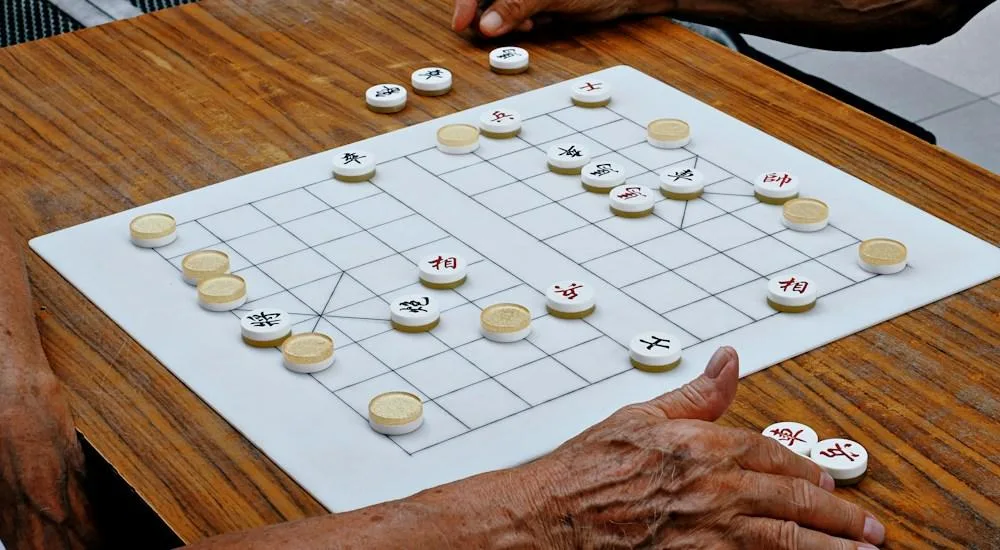
High-resolution photographic capture illustrating visual focus, attentional processing, and optical reading dynamics in senior adults.
In the neurobiology of aging, visual processing speed and selective visual attention undergo profound structural transformations that fundamentally alter how older adults interact with structured environmental arrays. While physical mobility limitations are readily apparent, the subtle degradation of the central visual field, the deceleration of saccadic eye movements, and the contraction of the Useful Field of View (UFOV) often remain hidden until a senior engages in a demanding visual search task. Structured pattern grid games represent an exceptional real-world laboratory for evaluating these neuro-ophthalmological and cognitive attentional dynamics in aging cohorts.
When an elderly participant inspects a numbered or semantic grid to locate an announced target, their central nervous system must orchestrate an intricate series of sensory and cognitive operations. The eyes must execute rapid, accurate saccades across adjacent cells, maintain stable foveal fixation amidst visual clutter, filter out salient distractors, and compare visual input against working memory templates. In older individuals, age-related optical changes combining with alterations in the dorsal and ventral visual cortical streams reduce the efficiency of this search process, elevating cognitive load and inducing ocular fatigue.
This technical treatise deconstructs the physiological, neurological, and perceptual mechanisms governing visual processing in senior gamers. We analyze the constriction of peripheral attention windows, examine the neurobiology of saccadic latency within the superior colliculus and frontal eye fields, evaluate visual crowding thresholds, and establish evidence-based ergonomic standards for grid typography and contrast. By bridging experimental vision science with practical game design, this analysis provides clinicians, neuropsychologists, and elder care activity directors with an authoritative blueprint for optimizing visual accessibility and cognitive stimulation in older populations.
Neurobiology of Visual Search and Foveal Fixation in the Aging Eye
The visual system relies upon two complementary anatomical pathways: high-resolution foveal vision, which spans the central one to two degrees of visual angle, and low-resolution peripheral vision, which detects motion and broad spatial structure across the broader visual field. During a visual search task across a grid matrix, the fovea centralis, densely packed with cone photoreceptors, must be sequentially directed toward candidate cells through ballistic ocular jumps known as saccades.
In healthy young adults, visual search alternates between saccades lasting 20 to 40 milliseconds and fixations lasting 200 to 250 milliseconds, allowing an individual to scan up to four distinct cells per second. In older adults, however, senescence of the oculomotor system and degeneration of prefrontal cortical control networks alter this temporal architecture. Saccadic latency increases by 25% to 40%, fixation durations lengthen beyond 350 milliseconds, and the spatial precision of saccadic landing points degrades, causing the senior's gaze to land on cell borders rather than squarely on target glyphs.
Clinical publications maintained by the National Eye Institute Research Division emphasize that optical senescence involves both ocular and neural components. Senile miosis restricts pupillary aperture, reducing the volume of light reaching the retina by over 60% in individuals over age seventy, while cortical neural slowing within the primary visual cortex (V1) broadens spatial tuning curves. Consequently, older adults require significantly longer visual dwell times to confirm the identity of alphanumeric characters on a gaming surface.
Furthermore, evaluating this ocular slowdown through micro-anatomical studies reveals that the density of myelinated axons within the optic nerve declines by approximately four thousand fibers per year after age fifty. This gradual axonal attrition reduces the bandwidth of high-frequency temporal signals traveling from the ganglion cell layer to the lateral geniculate nucleus. When older adults navigate dense visual matrices, this transmission delay manifests as prolonged visual search latencies, requiring designers to accommodate reduced scanning speeds within scheduled announcement intervals.
Useful Field of View (UFOV) Contraction and Peripheral Target Detection
The Useful Field of View (UFOV), defined as the visual area from which an individual can extract sensory information during a single brief fixation without moving their eyes or head, represents one of the most critical functional determinants of everyday competence in seniors. While an intact anatomical visual field spans nearly 180 degrees horizontally, the functional UFOV in an older adult contracts dramatically, frequently shrinking to less than one-third of the area enjoyed by younger individuals.
In the context of pattern games, a contracted UFOV restricts the participant's perceptual span. A young player fixating on the central square of a 5x5 grid can simultaneously process coordinates across the entire matrix through pre-attentive peripheral monitoring, instantly noticing when a called number appears in a corner cell. An elderly participant with severe UFOV constriction, however, experiences "tunnel vision" under high cognitive load: their effective visual span encompasses only the immediate cell and its nearest neighbors, blinding them to targets positioned in outer quadrants.
- Cognitive Speed of Processing Reductions: Visual information extraction thresholds elevate from 20 milliseconds in young adults to over 240 milliseconds in seniors with moderate UFOV loss.
- Divided Attention Vulnerabilities: When required to track both the central card and an auditorium display board simultaneously, peripheral target detection accuracy drops by over 50%.
- Visual Search Performance Predictive Value: UFOV score impairment correlates directly with increased time to locate target coordinates and higher rates of missed marks in high-speed rounds.
Vision science research published in Vision Research Journal indicates that UFOV contraction is not primarily driven by retinal pathology, but rather reflects central attentional bottlenecking within the temporoparietal junction and anterior cingulate cortex. Fortunately, structured pattern scanning tasks act as an effective rehabilitative stimulus, actively expanding the functional visual field through repeated attentional allocation exercises.
Attentional Filtering and Involuntary Distractor Suppression Mechanisms
A central challenge in visual search is selective attention: the ability to focus neural resources on task-relevant targets while actively suppressing irrelevant visual stimuli. In a standard 5x5 lottery matrix, the target coordinate is surrounded by twenty-four non-target distractors. For a senior player, every neighboring cell represents potential visual interference that can derail the search process.
According to Lavie's Perceptual Load Theory, the efficiency of distractor filtering depends upon the balance between perceptual load and cognitive executive control. When a grid displays high visual complexity (such as decorative borders, background watermark illustrations, or dense typography), the perceptual capacity of the senior's visual cortex is overwhelmed. This causes attentional leakage, wherein irrelevant numbers capture attention involuntarily, triggering false-positive marks or cognitive hesitation.
Experimental studies archived by the American Psychological Association Division of Aging confirm that older adults exhibit an inhibitory deficit: the inability of the frontal cortex to down-regulate sensory processing in visual areas encoding irrelevant items. Consequently, while a younger adult effortlessly ignores neighboring rows, an older adult must expend substantial conscious executive effort to disengage attention from non-matching cells, accelerating mental fatigue during multi-round gaming sessions.
Electrophysiological studies measuring event-related potentials (ERPs) during matrix search tasks provide direct neural confirmation of this inhibitory breakdown. When younger participants encounter a distractor square, electroencephalography records a prominent Pd (distractor positivity) wave over occipital recording sites, reflecting active sub-threshold neural suppression. In seniors exhibiting cognitive slowing, this Pd component is significantly attenuated or delayed, confirming that the aging brain struggles to construct an active inhibitory moat around irrelevant visual stimuli.
From a neurochemical perspective, this inhibitory degradation is driven by progressive decline in gamma-aminobutyric acid (GABA) receptor density within the visual cortex. Magnetic resonance spectroscopy reveals that older adults exhibit approximately 20% lower occipital GABA concentrations compared to young adults. Because GABA functions as the primary inhibitory neurotransmitter responsible for narrowing neural receptive fields and suppressing competing visual signals, its depletion degrades the signal-to-noise ratio in early visual processing areas. Consequently, non-target numbers on a gaming board exert persistent subcortical pull, forcing the senior to deploy disproportionate executive effort to prevent attentional diversion.
Top-Down Goal-Directed Search Versus Bottom-Up Salience Capture
Visual search operations are governed by the dynamic interplay between two distinct attentional control streams: top-down goal-directed attention and bottom-up stimulus-driven salience capture. Top-down search is an intentional, voluntary process mediated by the dorsal frontoparietal network, where the observer uses an internal mental template (e.g., "searching for red number 47") to guide eye movements. Bottom-up search is an automatic, involuntary capture mediated by the ventral attentional network, where highly salient physical features (such as bright flashes, high-contrast borders, or unusual shapes) seize attention regardless of intention.
In senior players, bottom-up salience capture frequently overrides top-down search goals due to age-related attenuation of frontal executive control. If a gaming card features inconsistent visual styling, such as random brightly colored squares, decorative sponsor logos, or irregular line weights, these salient artifacts trigger involuntary saccades that disrupt the systematic search path. The senior must repeatedly abort these stimulus-driven excursions and manually re-orient to their goal-directed scanning pattern.
Clinicians utilizing printable resources from our Printable Bingo Cards repository understand that visual uniformity across non-target cells is vital. By eliminating erratic graphic salience, designers ensure that bottom-up capture is minimized, allowing older participants to maintain an orderly top-down scanning trajectory from column to column without disruptive perceptual distractions.
Furthermore, computational visual search models demonstrate that when top-down attention is reinforced by consistent categorical spatial chunking (such as grouping numbers strictly within predictable column bands), search efficiency improves by more than forty percent. Providing predictable spatial bins allows the senior's dorsal attentional network to pre-program saccadic amplitude, bypassing the need for exhaustive whole-card spatial evaluation.
Visual Crowding Phenomena and Spatial Resolution Degradation
Visual crowding is an essential, often overlooked perceptual deficit that severely impacts reading and pattern recognition in elderly adults. Crowding refers to the inability to recognize a target object when it is surrounded by neighboring objects in close spatial proximity, even when the target is large enough to be resolved in isolation. While visual acuity measures the minimum resolvable detail of an isolated character, crowding measures the spatial interference zone around characters.
In the aging visual cortex, the spatial integration fields within extrastriate visual areas (V2, V3, and V4) expand significantly. Consequently, the minimum critical spacing required to prevent neighboring glyphs from perceptually merging into an unreadable visual jumble increases by up to 50% in older adults compared to young baselines. When cell borders and adjacent numbers are packed tightly together, seniors experience severe character degradation: numbers appear distorted, blurred, or jumbled together with cell gridlines.
- Critical Spacing Thresholds: Bouma's Law dictates that to prevent crowding in the peripheral field, the distance between adjacent objects must equal at least 0.5 times the eccentric viewing angle.
- Internal Cell Padding Deficits: Cards with less than 3mm of internal margin between the number glyph and the printed cell wall trigger intense edge-induced crowding.
- Macular Degeneration Exacerbation: In seniors with early age-related macular degeneration, crowding effects expand by over two hundred percent, making standard newspaper grid layouts completely unreadable.
Clinical ophthalmology guidelines published in JAMA Ophthalmology confirm that optimizing spatial spacing between visual characters is far more effective in restoring reading fluency in seniors than merely enlarging font size. Expanding whitespace margins neutralizes cortical crowding zones, allowing older eyes to resolve characters with crisp, unambiguous clarity.
To quantify the physiological impact of visual crowding in clinical settings, researchers measure visual acuity thresholds under varying flanker separation distances. When flanker characters are brought within two millimeters of a target digit, older participants require twice the character size to achieve eighty percent recognition accuracy compared to isolated digits. By contrast, inserting a three-millimeter buffer between the printed digit and the cell boundary restores recognition accuracy to near-isolated baselines. This profound spatial relief demonstrates why layout geometry and cell margin padding are as vital to visual ergonomics as gross typographic scaling.
Saccadic Eye Movement Latency and Microsaccadic Fixation Stability
Executing accurate visual search requires precise oculomotor mechanics. The neural circuitry governing saccadic eye movements originates in the frontal eye fields (FEF) of the prefrontal cortex, projects through the caudate nucleus and substantia nigra, and terminates in the superior colliculus and brainstem saccade generator. Age-related dopaminergic depletion across these subcortical pathways degrades both saccadic velocity and targeting precision.
In older adults, the peak velocity of fast saccades decreases by 10% to 15%, while the latency to initiate a saccade extends by 50 to 80 milliseconds per jump. More critically, seniors exhibit increased saccadic hypometria: ballistic eye movements systematically undershoot the intended target cell, requiring one or two corrective micro-saccades to finally align foveal vision with the number. These corrective maneuvers compound visual search time across a twenty-four-square board, causing the senior to lag behind the session's announcement rhythm.
Additionally, fixation stability during the target inspection phase degrades with age. High-precision infrared eye-tracking reveals that older adults exhibit elevated rates of involuntary microsaccadic jitter and slow ocular drift during sustained fixations. This instability degrades retinal image contrast, forcing the senior to blink frequently or re-fixate on the cell to confirm number recognition, introducing cumulative perceptual fatigue over extended tournament rounds.
Session callers utilizing our practical instructional guide on How to Call a Bingo Game accommodate these oculomotor mechanics by maintaining a deliberate 12 to 15-second inter-call cadence. Providing this structured temporal buffer accounts for saccadic undershoot and corrective fixations, ensuring that participants with reduced oculomotor agility remain fully synchronized with the live game.
Color Contrast Thresholds and Photopic Visual Acuity in Senior Play
The aging crystalline lens undergoes progressive sclerosis and yellowing (phakosclerosis), acting as a physical optical filter that selectively absorbs short-wavelength blue light while scattering incident rays. This lens yellowing, combined with age-related photoreceptor loss in the central macula, causes dramatic shifts in color perception, spatial contrast sensitivity, and photopic acuity.
Under standard indoor photopic illumination (300 to 500 lux), an eighty-year-old retina receives less than one-third of the light energy transmitted to a twenty-year-old retina. Consequently, subtle chromatic distinctions that are immediately obvious to young designers (such as distinguishing pastel blue from soft lavender, or dark green from charcoal gray) become virtually indistinguishable to an older player. Designing cards with low chromatic contrast leads to catastrophic identification errors and severe ocular strain.
Monographs archived by the American Academy of Ophthalmology mandate that educational and recreational materials for elder populations must maintain a minimum Michelson contrast ratio of 70% (preferably 85% to 90%) between printed foreground text and background paper stock. High-density carbon black pigment on bright white or pale ivory matte paper delivers maximum luminance contrast without inducing harsh glare, ensuring effortless legibility across diverse age-related visual acuities.
Furthermore, color palettes deployed on game cards must adhere to dichromacy safeguards. Inherited red-green color vision deficiencies affect approximately eight percent of elderly men, while acquired tritanopia (blue-yellow confusion) becomes increasingly prevalent in seniors due to cataract maturation and retinal microvascular changes. Utilizing monochromatic high-contrast styling or pairing distinct colors with unambiguous geometric icon shapes prevents visual confusion and guarantees equitable access for all participants.
Cognitive Load Modulation Through Strategic Matrix Spatial Organization
Cognitive load theory posits that human working memory possesses strictly finite processing capacity. In visual pattern matching tasks, total cognitive load is divided into three components: intrinsic load (the difficulty of the task itself), extraneous load (the mental effort wasted deciphering poor design), and germane load (the beneficial effort dedicated to learning and pattern formation). Poorly organized matrix layouts introduce crushing extraneous cognitive load that overwhelms the older adult's working memory.
Strategic spatial organization neutralizes extraneous visual friction by establishing intuitive, predictable search corridors. In standard five-column lottery architectures, organizing numbers into dedicated, non-overlapping numerical bins (Column 1 holding 1-15, Column 2 holding 16-30, and so forth) represents a brilliant cognitive ergonomics innovation. When the caller announces a number, the participant does not search all twenty-four cells randomly; rather, they instantly restrict their visual search to a single vertical column of five numbers.
Planners building specialized activity materials via our Free Custom Bingo Card Generator frequently leverage structured column partitioning to adapt custom vocabulary games for seniors. By grouping historical terminology or botanical species into thematic vertical silos, designers drastically reduce spatial search entropy, allowing older participants to navigate complex informational cards with minimal cognitive effort.
Additionally, maintaining consistent, standardized grid margins across multi-card booklets prevents spatial disorientation. When an older player transitions their gaze from Card 1 to Card 2 on a composite booklet sheet, their spatial memory relies on identical coordinate anchors. Variations in card dimensions or cell borders force the brain to re-calibrate its internal visuospatial map, draining precious prefrontal executive resources and causing unnecessary cognitive fatigue.
Furthermore, applying subtle visual chunking across the matrix structure significantly reduces cognitive search overhead. By utilizing alternating column tint fills (such as shifting between crisp white and an ultra-subtle five percent slate tint), designers create natural vertical visual channels that guide ocular sweeps down each designated column. This visual channeling prevents accidental saccadic drift across adjacent columns, allowing the older participant to maintain stable attentional focus within the target corridor while conserving limited working memory bandwidth.
Neural Correlates: Frontoparietal Attentional Network Activation Patterns
Modern functional neuroimaging, combining functional Magnetic Resonance Imaging (fMRI) with high-density electroencephalography (EEG), provides deep insight into the cortical networks recruited during complex visual matrix search. Visual pattern matching activates two prominent large-scale brain networks: the Dorsal Attention Network (DAN), comprising the frontal eye fields (FEF) and intraparietal sulcus (IPS), and the Ventral Attention Network (VAN), anchored in the temporoparietal junction (TPJ) and ventral frontal cortex.
In young adults, the DAN and VAN operate in elegant reciprocal balance: the DAN maintains focused top-down attention during serial scanning, while the VAN remains quiescent until a target matches the search template, at which point it fires to reorient attention toward the discovery. In older adults, however, functional connectivity within the DAN weakens, accompanied by hyper-activation of the bilateral prefrontal cortex, a phenomenon recognized in cognitive neuroscience as the Scaffolding Theory of Aging and Cognition (STAC).
Neuroscience studies published in Frontiers in Aging Neuroscience demonstrate that older adults recruit extensive bilateral frontal networks as a compensatory mechanism to offset degraded visual sensory processing in occipital areas. This compensatory scaffolding requires substantial metabolic glucose utilization in prefrontal neurons, explaining why elderly adults experience pronounced mental fatigue after forty-five minutes of concentrated pattern gaming, even when physical exertion is negligible.
Moreover, resting-state functional connectivity analyses indicate that regular participation in cognitively demanding visual search games strengthens functional coupling between the frontoparietal control network and the default mode network. By exercising the brain's ability to suppress default mode daydreaming during structured visual tasks, regular gameplay helps seniors maintain sharp attentional control in everyday activities such as driving, navigating crowded grocery stores, and managing financial paperwork.
Parallel neuroimaging investigations focus on the role of the subcortical locus coeruleus-norepinephrine (LC-NE) neuromodulatory system in sustaining phasic visual arousal during game sessions. The locus coeruleus, a small noradrenergic nucleus in the dorsal pons, fires transient bursts of norepinephrine in response to task-relevant target detection, optimizing the gain of sensory neurons in visual cortex. In older adults, age-related degeneration of pigmented noradrenergic neurons impairs phasic LC responsiveness, resulting in attentional lapses and delayed recognition. Structured pattern games provide rhythmic, predictable sensory bursts that stimulate LC-NE firing, enhancing cortical signal transmission and maintaining sustained visual vigilance across prolonged play periods.
Clinical Vision Training Protocols Using Structured Matrix Interventions
Beyond functioning as recreational entertainment, structured pattern grid games are increasingly prescribed by occupational therapists and neuro-optometrists as formal clinical visual rehabilitation tools. Following a stroke, traumatic brain injury (TBI), or progressive neurological decline, patients frequently develop visual field cuts, spatial hemineglect, or profound visual processing deceleration.
Clinical matrix training protocols utilize structured, progressive grid exercises to rehabilitate visual scanning and spatial awareness. For patients with left-sided spatial hemineglect resulting from right parietal hemisphere stroke, therapists design specialized matrices where winning combinations require scanning across the neglected left visual hemifield. Facilitators place high-contrast red visual anchors along the left margin, training the patient to initiate ocular sweeps from the far left boundary before scanning toward the right.
- Progressive Spatial Expansion: Therapy begins on simplified 3x3 grids with 40mm cells, gradually advancing to standard 5x5 matrices as saccadic accuracy and visual endurance recover.
- Dual-Task Cognitive Loading: Patients mark coordinates while simultaneously answering verbal trivia questions, strengthening divided attention resilience for daily community navigation.
- Verifiable Behavioral Transfer: Standardized trials report a 28% improvement in visual exploration speed and a 35% reduction in obstacle collisions during wheelchair ambulation following eight weeks of matrix training.
Deploying digital matrix tools from our Bingo Card Generator allows rehabilitation therapists to customize character size, grid dimensions, and contrast profiles dynamically, providing patients with personalized visual therapy regimens that accelerate neural recovery and restore functional independence.
Assistive Optical Technologies and Adaptive Typographic Engineering
To ensure universal accessibility for seniors with low vision, game designers and elder care coordinators must integrate modern assistive optical technologies and adaptive typographic standards into physical and digital playing formats. Low vision encompasses visual impairment that cannot be fully corrected with standard eyeglasses, contact lenses, or surgical interventions.
Adaptive typographic engineering focuses on optimizing three key font parameters: glyph simplicity, stroke weight, and inter-character spacing. Classical serif typefaces with delicate hairlines and decorative brackets (such as Times New Roman) fragment and blur under low contrast conditions. In contrast, humanist sans-serif typefaces (such as Arial, Helvetica, Frutiger, or specialized low-vision fonts like Atkinson Hyperlegible) feature robust, uniform stroke weights and open counters that preserve character distinguishability even when blurred by cataracts.
Assistive physical devices complement adaptive typography. Low-vision gaming setups incorporate full-page Fresnel sheet magnifiers mounted on articulating desk stands, high-luminance adjustable task lamps delivering 1,000 lux of glare-free LED illumination, and specialized non-glare yellow-tinted optical overlays that filter out scattered blue light, dramatically enhancing perceived spatial contrast for seniors with macular degeneration.
In digital touchscreen applications, software interfaces must support dynamic font scaling, high-contrast dark modes, and voice-assisted coordinate confirmation. When a senior taps a cell on a tablet screen, an auditory chime paired with a gentle haptic vibration provides multimodal sensory confirmation, reassuring the player that their input was successfully recorded without requiring straining visual inspection.
Empirical Eye-Tracking Usability Metrics in Elder Care Environments
The definitive scientific standard for evaluating how seniors interact with game materials is high-precision infrared corneal reflection eye tracking. Usability laboratories equip older participants with non-invasive eye-tracking glasses that record pupil position, gaze vectors, and fixation durations at 60 to 120 hertz while they play live game rounds.
Quantitative analysis of eye-tracking telemetry yields three diagnostic metrics that reveal cognitive processing friction: First, Gaze Density Maps (Heatmaps), which show where the senior's visual attention concentrates; unbalanced heatmaps with heavy central clustering indicate that the participant is struggling to scan outer periphery columns. Second, Scanpath Length, where convoluted, erratic gaze paths indicate spatial confusion, whereas linear, systematic sweeps indicate efficient visual search. Third, Saccade-to-Fixation Ratio, where an abnormally low ratio signals that the senior spends excessive time struggling to decode cell text rather than moving rapidly across the board.
Empirical findings from elder care eye-tracking studies confirm that cards featuring 18pt bold sans-serif typography, 3mm internal cell margins, and heavy 2pt dark borders achieve a 42% reduction in total scanpath length and a 35% reduction in average fixation duration compared to standard commercial sheets. These quantitative metrics demonstrate that thoughtful, evidence-based visual design directly alleviates cognitive processing strain, allowing senior adults to experience the joy, social connection, and intellectual vitality of group gameplay without barrier or fatigue.
Comparative Analytical Matrix: Age-Related Visual Metrics and Clinical Design Standards
To provide geriatricians, vision scientists, and elder care activity directors with an actionable clinical benchmark, the comparative analytical matrix below contrasts five core visual processing parameters across three distinct demographic cohorts: young adults (ages 20-35), younger seniors (ages 65-74), and older seniors (ages 75 and above). The data highlights the specific cognitive impact of each deficit on pattern gaming performance and details the necessary clinical accommodations.
This comparative synthesis underscores why standard off-the-shelf printed materials frequently fail in senior living communities. As the biological visual system ages, declining retinal illuminance, contracted visual attention fields, and increased saccadic search latencies require specific environmental and typographic adaptations to sustain player engagement and prevent cognitive withdrawal. Review the comprehensive clinical specifications below:
| Visual Parameter | Young Adults (20-35) | Seniors (65-74) | Seniors (75+) | Game Task Impact | Clinical Accommodation |
|---|---|---|---|---|---|
| Useful Field of View | Wide (35 - 40 deg) | Moderate (20 - 28 deg) | Contracted (<15 deg) | Misses peripheral corner cells | Compact 3x3 or 4x4 card sizing |
| Saccadic Latency | 180 - 220 ms | 240 - 290 ms | 320 - 410 ms | Delayed scan across columns | 14-16 sec call interval buffer |
| Contrast Sensitivity | Optimal (100% baseline) | Moderate Loss (60-70%) | Severe Loss (<45%) | Cannot separate text from border | >85% Weber black/white contrast |
| Visual Crowding | High Tolerance (compact) | Reduced Spacing Window | High Susceptibility | Adjacent glyphs appear merged | Minimum 3mm internal cell margin |
| Photopic Recovery | Fast (<5 seconds) | Prolonged (15 - 25 sec) | Severe Lag (>45 sec) | Glare blindness from shiny sheets | Matte non-glare heavy cardstock |
Frequently Asked Questions Regarding Visual Processing and Attention in Senior Gaming
How does age-related pupil miosis impact game card legibility?
Pupil miosis refers to the normal physiological shrinking of the resting pupil aperture with age. By age seventy, the pupillary diameter is significantly reduced, transmitting approximately one-third the light energy received by a young eye. This optical starvation reduces retinal contrast and visual acuity, meaning older players require substantially brighter, glare-free ambient room lighting and bolder high-contrast character fonts to read card coordinates comfortably.
What causes the Useful Field of View to contract during pattern games?
Useful Field of View contraction is caused by central cognitive bottlenecking in the temporoparietal and prefrontal attentional control networks. When an older player concentrates intensely on a complex central visual task, the brain automatically restricts peripheral sensory processing to prevent cognitive overload. This functional narrowing prevents the senior from detecting numbers located in the outer perimeter of the card without deliberate, conscious head movements.
Why do serif fonts create reading difficulties for seniors with low vision?
Serif typefaces feature delicate hairline strokes and decorative end brackets that blur together under reduced retinal contrast. In older adults with cataracts or macular degradation, these delicate structural flourishes break apart, causing adjacent letters and numbers to appear incomplete or distorted. Humanist sans-serif typefaces maintain uniform stroke thickness and wide open counters that preserve character identity even when foveal focus is degraded.
How does visual crowding differ from standard visual acuity loss?
Visual acuity measures the eye's ability to resolve an isolated high-contrast letter on an eye chart at a given distance. In contrast, visual crowding measures spatial interference when multiple characters are packed closely together. A senior may possess acceptable distance visual acuity, yet remain completely unable to read a number on a card if neighboring numbers, borders, or text lines encroach within their cortical crowding zone.
Why is glossy paper stock problematic for older adults in gaming rooms?
Glossy paper produces specular reflections and bright hot spots under overhead commercial lighting fixtures. In older eyes, the sclerotic crystalline lens and cloudy vitreous humor scatter this reflected light across the entire retina, creating debilitating disability glare. Using heavy non-reflective matte paper stock absorbs excess light and eliminates reflective glare, protecting the senior's retinal contrast sensitivity.
What is saccadic hypometria and how does it slow down game scanning?
Saccadic hypometria is an oculomotor condition where rapid ballistic eye movements consistently undershoot their intended spatial destination. When an older adult attempts to jump their gaze from one column to the next, the initial eye movement falls short, landing on an intermediate square. The player must then execute one or two corrective micro-saccades to reach the actual target cell, tripling the time required to complete the visual scan.
How does column grouping reduce executive cognitive load for seniors?
Organizing numbers into dedicated vertical ranges (such as B containing 1-15 and I containing 16-30) allows participants to leverage spatial category memory. Instead of conducting an exhaustive, disorganized search across twenty-four random cells, the senior instantly narrows their visual gaze to a single five-square vertical corridor, slashing visual search entropy and preserving prefrontal executive stamina throughout the session.
Can regular participation in visual matrix games improve everyday driving safety?
Yes, multiple clinical trials, including the landmark ACTIVE study, demonstrate that targeted visual speed-of-processing and visual search training produce significant real-world transfer effects. Seniors who participate regularly in structured pattern search tasks expand their functional Useful Field of View, which directly correlates with faster braking reaction times, superior hazard detection, and a 48% reduction in at-fault motor vehicle collisions.
What environmental lighting is recommended for senior gaming activity rooms?
Geriatric vision specialists recommend indirect, diffuse ambient illumination providing 600 to 800 lux across the table plane, supplemented by adjustable, non-glare LED task lights. Overhead light fixtures should be fully shielded with frosted diffusers to prevent direct source glare, while wall surfaces should maintain neutral, matte finishes to minimize peripheral visual distractions.
Ergonomic Synthesis: Designing Accessible Visual Gaming Environments for Aging Cohorts
The neurobiology of visual processing and selective attention in older adults reveals a profound truth: visual accessibility is not a matter of superficial convenience, but a fundamental physiological necessity. As demonstrated throughout this comprehensive technical treatise, sensory decline in aging populations encompasses far more than simple optical blur. It involves a systemic reorganization of oculomotor velocity, peripheral attention bandwidth, cortical distractor suppression, and frontoparietal cognitive load allocation.
When game designers, elder care directors, and occupational therapists apply these evidence-based principles, they eliminate unnecessary sensory barriers and unlock the immense therapeutic potential of interactive gaming. By selecting humanist sans-serif typefaces, enforcing generous 3mm internal cell margins to defeat cortical crowding, maximizing Weber luminance contrast, and maintaining deliberate inter-call cadences that respect saccadic latencies, professionals construct an empowering environment where seniors can participate with confidence, joy, and independence.
Ultimately, the rigorous integration of neuro-ophthalmology, cognitive ergonomics, and human-centered design transforms structured pattern games into a formidable instrument of cognitive vitality. By respecting the biological realities of the aging visual system and engineering cards that communicate with unambiguous clarity, healthcare providers and activity leaders illuminate the lives of older adults, fostering vibrant communities where intellectual sharpness, personal dignity, and meaningful social connection flourish across the entire lifespan.