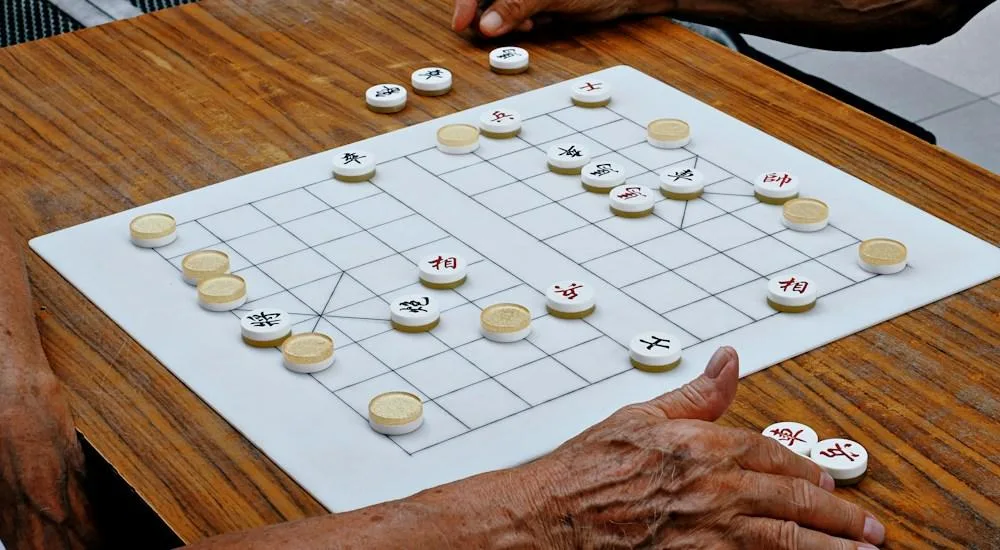
Fine Motor Skill Preservation and Manual Dexterity Training Using Physical Game Markers
Published by the geriatric kinesiology and occupational therapy division under Joan Ramos, computational health researcher, examining tactile sensorimotor integration, manual grip kinematics, and adaptive manipulative tools in long-term elder care.
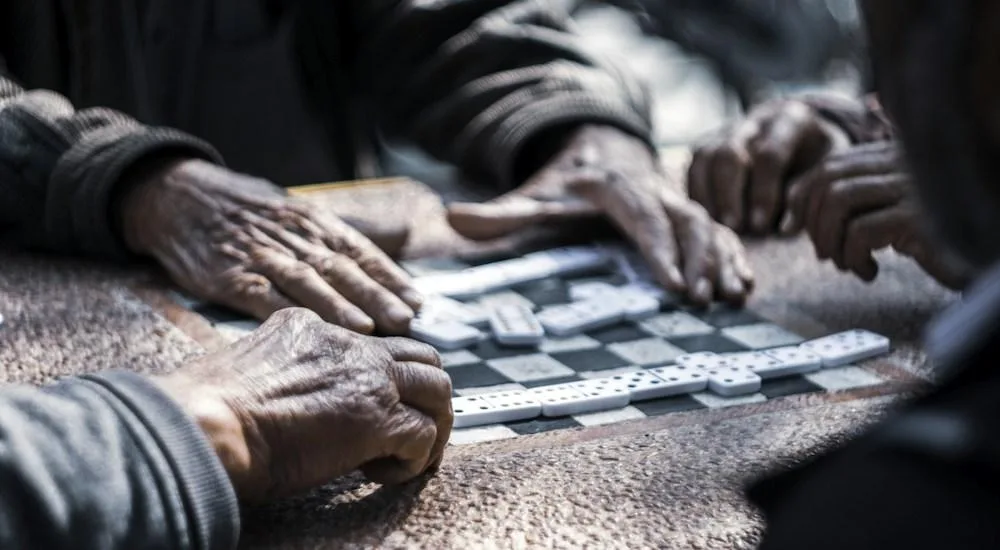
High-resolution photographic capture illustrating manual dexterity exercises, tactile marker manipulation, and hand-eye coordination training in elder care.
Neurobiology of Age-Related Motor Decline and Loss of Hand Dexterity
The human hand represents an extraordinary evolutionary achievement of neuromuscular engineering, containing twenty-seven individual bones, thirty-four distinct muscles, and thousands of specialized sensory mechanoreceptors. In daily life, manual dexterity governs nearly every instrumental activity of daily living, from buttoning clothing and managing medication containers to writing signatures and feeding oneself. When fine motor control deteriorates in advanced age, an individual's personal independence and psychological dignity are severely undermined, frequently necessitating institutional assistance for fundamental self-care tasks.
Age-related fine motor decline arises from a complex convergence of central neural degradation and peripheral musculoskeletal attrition. At the cortical level, senescence triggers progressive loss of pyramidal neurons within the primary motor cortex (Brodmann area 4), accompanied by microstructural thinning of the corpus callosum and white matter tract demyelination along the descending corticospinal pathway. These neurodegenerative changes diminish motor unit recruitment efficiency, reducing manual precision and introducing involuntary physiological tremors during targeted grasping actions.
Clinical investigations published by the American Occupational Therapy Association Research Network demonstrate that manual dexterity declines at an accelerated rate after age sixty-five, with older adults exhibiting an average 30% reduction in fingertip pinch strength and a 40% decline in manual manipulation speed compared to young adults. However, clinical researchers emphasize that this decline is not entirely irreversible; the neuromuscular system retains profound neuroplastic responsiveness when challenged with structured, repetitive, and emotionally motivating physical motor tasks.
Engaging in structured tabletop games utilizing physical manipulatives provides an ideal therapeutic platform for fine motor rehabilitation. Unlike clinical therapeutic putty drills, which frequently induce boredom and low compliance, communal pattern games embed repetitive manual grasping, pinpoint placement, and hand-eye coordination within an enjoyable social ritual, motivating seniors to perform hundreds of therapeutic motor repetitions without experiencing cognitive or physical burnout.
At the microstructural neuromuscular junction, age-related motor unit remodeling fundamentally alters force generation dynamics. Senescence causes progressive denervation of large, fast-twitch (Type II) alpha motor units, followed by incomplete collateral re-innervation by surviving small, slow-twitch (Type I) motor neurons. This remodeling results in enlarged, heterogeneous motor units with diminished discharge rate regularity. Electromyographic (EMG) studies demonstrate that older adults exhibit heightened motor unit discharge rate variability, making smooth, low-force isometric pinches difficult to sustain. Structured tabletop marker exercises, which demand sustained, low-force isometric grips followed by dynamic release, directly train motor unit firing synchronization, smoothing muscular tremors and restoring fine motor control.
Kinesiology of the Aging Hand: Sarcopenia, Joint Stiffness, and Proprioceptive Sensory Attenuation
Understanding the biomechanical challenges faced by older adults requires rigorous analysis of hand kinesiology and muscular architecture. Sarcopenia, the age-related loss of skeletal muscle mass and functional strength, selectively attacks the intrinsic muscles of the hand, including the thenar eminence, hypothenar eminence, lumbricals, and interossei. These small, specialized muscle groups provide the delicate force adjustments necessary for fine pinch grips, while larger extrinsic forearm flexors and extensors generate gross cylindrical grip strength.
As intrinsic hand musculature atrophies, the balance of tension across finger joints becomes distorted. Connective tissues within the joint capsules, collateral ligaments, and tendon sheaths undergo progressive cross-linking of collagen fibers and loss of proteoglycan hydration, culminating in articular stiffness and reduced passive range of motion. In individuals affected by osteoarthritis or rheumatoid arthritis, articular cartilage degradation and osteophyte formation further compromise joint excursion, making the pinching of tiny, flat objects excruciatingly painful or biomechanically impossible.
Compounding muscular and articular decline is the severe attenuation of cutaneous tactile feedback. Mechanoreceptors embedded within the glabrous skin of the fingertips (specifically Meissner corpuscles responsible for low-frequency vibration and dynamic slip detection, and Merkel cell-neurite complexes mediating static pressure and edge perception) diminish in spatial density by over 50% between the third and eighth decades of life. This loss of tactile acuity disrupts the brain's internal model of fingertip friction, forcing older adults to exert excessive, fatiguing pinch forces to prevent dropped objects.
Furthermore, muscle spindle sensitivity within intrinsic hand muscles diminishes, degrading joint position sense and spatial proprioception. When an older adult reaches for a small game marker, their nervous system cannot rely on sharp tactile or proprioceptive signals to calibrate finger closure, increasing reliance on visual feedback and resulting in hesitant, jerky hand trajectories. Providing physical manipulatives engineered with tactile textures and calibrated dimensions directly compensates for this sensory attenuation, restoring manual confidence.
Neurological Pathways: Corticospinal Tract Integrity, Basal Ganglia Control, and Sensorimotor Integration
Executing a purposeful manual movement (such as selecting a circular marker from a tray and pressing it onto a specific printed square) requires the seamless synchronization of distributed central nervous system circuits. The movement begins with intentional goal selection within the prefrontal cortex, which communicates with the supplementary motor area (SMA) and premotor cortex to formulate a precise motor sequence program. This motor plan is subsequently refined through complex feedback loops within the basal ganglia and cerebellum.
The basal ganglia (comprising the striatum, globus pallidus, substantia nigra, and subthalamic nucleus) regulate motor tone and suppress unwanted involuntary movements through balanced direct and indirect striatopallidal pathways. In neurodegenerative conditions such as Parkinson's disease or essential tremor, dopaminergic depletion within the substantia nigra pars compacta disrupts this delicate balance, resulting in cogwheel rigidity, resting tremors, and bradykinesia that severely impair finger articulation. Meanwhile, cerebellar circuits calculate real-time feedforward trajectory corrections, matching planned movements with proprioceptive feedback from peripheral limbs.
Once finalized, motor commands descend via the corticospinal tract, traversing the internal capsule and medullary pyramids to synapse onto alpha motor neurons within the anterior horn of the cervical spinal cord (segments C5 through T1). Neuroimaging monographs published in the Movement Disorders Society Clinical Journal confirm that repetitive goal-directed manual grasping stimulates neuroplastic sprouting along surviving corticospinal fibers, reinforcing synaptic connections and counteracting disuse atrophy.
Crucially, successful grasping requires continuous sensorimotor integration within the posterior parietal cortex (Brodmann areas 5 and 7). The parietal cortex integrates incoming somatosensory signals from the primary somatosensory cortex (S1) with visual target coordinates from the visual cortex (V1), computing a dynamic spatial map that guides the motor cortex in real time. Tabletop games provide continuous, high-frequency sensorimotor integration challenges, exercising these neural networks through hundreds of rapid perceptual-motor feedback cycles per session.
Electrophysiological investigations utilizing transcranial magnetic stimulation (TMS) highlight the essential role of intracortical inhibitory networks in manual dexterity. In healthy young adults, performing a unilateral fine motor task triggers strong short-interval intracortical inhibition (SICI) within the ipsilateral motor cortex, effectively suppressing involuntary mirror movements in the resting hand. In aging adults, degraded GABAergic neurotransmission weakens this interhemispheric inhibitory barrier, leading to unintentional mirror contractions and elevated motor fatigue. Repetitive unilateral marker grasping protocols restore balanced intracortical inhibition, re-establishing clear functional boundaries between motor cortices and enhancing isolated finger control in the active hand.
Physical Manipulatives Versus Touchscreen Interfaces: Why Tactile Resistance Matters in Geriatric Care
The rapid digital transformation of modern healthcare has led many activity directors to replace traditional physical games with tablet computers, smartphones, and digital touchscreens. Proponents argue that digital apps eliminate paper clutter, automate number verification, and lower material costs. However, from a neurological and kinesiological perspective, the wholesale substitution of physical objects with glass touchscreens represents a serious therapeutic regression for aging populations.
Glass touchscreens provide zero mechanical compliance, zero physical resistance, and zero three-dimensional edge feedback. When an older adult taps a glass display, their fingertips experience an instantaneous, unyielding collision against an inert, frictionless surface. This abrupt impact deprives the sensory nervous system of the rich tactile information generated when grasping physical materials, such as the compressive resistance of felt, the textured rim of a plastic chip, or the fluid displacement of a liquid dauber nib.
Biomechanical studies published in Archives of Physical Medicine and Rehabilitation confirm that physical object manipulation activates significantly larger regions of the contralateral primary motor cortex and primary somatosensory cortex than two-dimensional touchscreen tapping. Grasping a three-dimensional object demands the coordinated recruitment of opposing muscle groups to regulate grip aperture, force production, and object stabilization against gravity, whereas screen tapping requires only crude, ballistic single-digit downward jabs.
Furthermore, older adults with dry skin, calloused fingertips, or peripheral neuropathy frequently struggle with capacitive touchscreen recognition, experiencing missed touches and unintended scrolling that induce severe frustration. Physical game pieces provide unambiguous, tangible confirmation: the player feels the weight of the marker, hears the satisfying click as it contacts the card, and sees the three-dimensional piece resting securely upon the square, providing multi-sensory validation that reinforces manual self-efficacy.
Ergonomic Design of Game Markers: Daubers, Magnetic Wands, Weighted Chips, and Easy-Grip Pegs
Universal design in geriatric motor activities requires recognizing that no single marker design fits every participant. A marker that is ideal for a resident with mild age-related tremors may be entirely unusable for a peer suffering from severe osteoarthritis or post-stroke contractures. Occupational therapy departments must maintain a diverse arsenal of specialized, ergonomically engineered physical manipulatives to match varying hand biomechanics.
Standard liquid ink daubers represent an exceptional therapeutic tool for gross palmar grasp training. Standard daubers feature a wide, cylindrical barrel (typically 30 to 38 millimeters in diameter) that allows participants to exert a comfortable cylindrical power grasp using all four fingers and the thumb, completely eliminating the need for delicate pinch grips. The broad foam applicator nib distributes pressing forces across a wide surface area, requiring minimal joint loading while leaving a bright, instantaneous visual mark on printed game sheets.
Activity directors who utilize printable resources from our Printable Bingo Cards collection can pair customized large-square layouts with diverse manipulative styles, creating tailored exercise environments for varied physical capabilities. For participants with fine motor limitations, alternative ergonomic marker designs offer distinct kinesiological advantages:
- Magnetic Wand and Steel-Rimmed Chips: Participants use a lightweight magnetic wand to clear metallic-rimmed translucent chips from their cards in a single fluid sweeping motion, practicing controlled shoulder-elbow coordination while eliminating the tedious manual picking up of flat tokens.
- Weighted Translucent Counters: Incorporating dense, brass-weighted chips (weighing 15 to 25 grams each) dampens intention tremors through physical inertia, stabilizing the hand during placement while allowing the printed text underneath to remain visually legible.
- High-Profile Raised Edge Tokens: Chips featuring beveled perimeter lips or vertical center posts enable participants with limited fingertip sensation to hook their fingernails or finger pads underneath, preventing tokens from sliding uncontrollably across paper surfaces.
- Ergonomic Textured Grips: Foam slip-on sleeves and ridged rubber collars slipped over standard markers increase surface friction, allowing residents with weakened pinch strength to maintain a secure grip without excessive muscular squeezing.
By curating a diverse palette of tactile manipulatives, facilities ensure that every resident, regardless of joint pathology or neuromuscular limitation, participates as an active, dignified player without requiring intrusive hands-on assistance from staff.
From an applied materials science perspective, the polymer durometry and tactile texture of manipulative markers significantly influence muscular grasping fatigue. Rigid, polished polystyrene markers require participants with dry or aged skin to exert excessive downward friction forces to prevent slipping. In contrast, markers engineered with soft, compressible elastomeric over-moldings (durometer ratings between 40 and 60 Shore A) conform dynamically to fingertip contours upon contact. This microscopic deformation increases the effective contact surface area, distributing normal forces evenly and reducing required pinch grasp pressure by over 30%, which allows seniors with severe muscular weakness to sustain prolonged play without pain.
Hand-Eye Coordination Mechanics: Foveal Fixation, Visuomotor Tracking, and Spatial Targeting
Targeted manual reaching is fundamentally an active visuomotor feedback loop. When a caller announces a game coordinate, the participant's nervous system executes a sophisticated sequence of visual and motor commands. First, the oculomotor system directs the eyes in rapid saccadic jumps across the card grid until the fovea centralis locks onto the matching square. Once foveal fixation is achieved, the visual cortex computes the exact spatial coordinates of the target relative to the body's egocentric frame of reference.
Next, the motor cortex activates proximal shoulder and arm muscles (deltoid, biceps, triceps) to transport the hand toward the target area, while simultaneously preshaping distal finger apertures to match the marker's physical dimensions. During the final deceleration phase of the reach, visual feedback mechanisms dominate: the participant continuously compares the spatial position of the marker against the target boundary lines, making millisecond-level trajectory adjustments to achieve pinpoint landing accuracy.
In older adults, the speed and accuracy of this visuomotor feedback loop deteriorate due to prolonged visual processing latencies and reduced ocular smooth-pursuit tracking. If a game card features tiny, cramped squares with narrow margins, the error tolerance is near zero, causing participants with minor motor tremors to mark adjacent squares accidentally, inducing intense embarrassment and self-doubt.
Therapeutic game designs compensate for visuomotor slowing by expanding target boundaries. Providing generous cell padding (minimum 1.25 inches per square) and bold, high-contrast bounding boxes creates an expansive landing zone. This design tolerance accommodates natural trajectory dispersion, ensuring that even shaky manual reaches culminate in clean, unambiguous marks that validate participant effort and sustain engagement.
Occupational Therapy Integration: Adapting Grid Games for Osteoarthritis and Rheumatoid Arthritis
Arthritic hand conditions are exceptionally prevalent in long-term elder care populations, affecting over 70% of adults aged seventy and older. Osteoarthritis typically targets the distal interphalangeal (DIP) joints (Heberden nodes), proximal interphalangeal (PIP) joints (Bouchard nodes), and the first carpometacarpal (CMC) joint at the base of the thumb. Rheumatoid arthritis, an autoimmune inflammatory disorder, causes synovial proliferation, joint subluxation, and ulnar deviation of the metacarpophalangeal (MCP) joints.
Occupational therapists utilize joint protection principles to adapt tabletop games for arthritic hands. Joint protection aims to minimize internal articular stresses, reduce pain, and prevent progressive joint deformity while preserving functional mobility. Crucially, joint protection does not mean joint immobilization; complete disuse accelerates cartilage malnutrition, ligamentous contracture, and muscular atrophy. Gentle, controlled movement is essential to stimulate synovial fluid circulation and maintain joint flexibility.
Clinical papers published in the National Institutes of Health Clinical Trials Database affirm that structured non-resistive hand exercise programs significantly reduce self-reported joint stiffness and pain in elderly arthritic cohorts. Occupational therapists implement specific ergonomic adaptations during gaming sessions:
- Promoting Power Grips Over Pinch Grips: Pinching small items exerts tremendous compressive forces (exceeding twelve times the applied pinch force) directly across the vulnerable first CMC joint. Providing thick, cylindrical markers shifts mechanical loads to the palm and larger extrinsic muscles, protecting thumb joints from destructive stress.
- Eliminating Sustained Static Clamping: Therapists instruct participants to release their grip on markers between calls rather than clutching them continuously, preventing muscular ischemic fatigue and joint cramping.
- Warm-Up Thermal Preparations: Applying warm paraffin wax baths or moist heated towels to participants' hands for ten minutes prior to gaming sessions decreases synovial fluid viscosity and increases collagen extensibility, substantially reducing movement discomfort.
By embedding these clinical adaptations within regular communal activities, occupational therapists transform casual game sessions into powerful therapeutic interventions that maintain joint health and improve quality of life for arthritic seniors.
Biomechanical load modeling confirms that the mechanical vector of force during marker application determines articular cartilage preservation. When a participant uses an unsupported lateral key pinch to stamp a card, the resulting shear vector pushes the first metacarpal base dorsally out of the trapezium socket, accelerating joint subluxation. Occupational therapists instruct participants to employ a modified three-jaw chuck grasp with wrist extension maintained at fifteen to twenty degrees. This functional posture aligns the first metacarpal directly along its longitudinal axis, converting damaging rotational shear stresses into safe axial compressive forces that nourish articular cartilage without destabilizing the joint.
Neurological Rehabilitation Protocols: Post-Stroke Hemiparesis and Parkinsonian Tremor Management
Tabletop games offer immense rehabilitation utility for seniors recovering from cerebrovascular accidents (stroke) or managing progressive movement disorders like Parkinson's disease. Following an ischemic or hemorrhagic stroke, damage to the corticospinal tract frequently results in hemiparesis or hemiplegia, characterized by muscular weakness, loss of isolated finger fractionation, and spastic flexor synergy in the affected upper extremity.
In post-stroke neuro-rehabilitation, therapists apply principles of Constraint-Induced Movement Therapy (CIMT) and bilateral motor training. During adapted gaming rounds, the therapist gently encourages the stroke survivor to utilize their paretic arm to stabilize the game card or grasp enlarged markers, promoting neuroplastic cortical remapping in the perilesional cortex. Bilateral tasks (such as using the non-paretic hand to guide the paretic hand in stamping a square) activate uncrossed ventral corticospinal fibers and supplementary motor networks, accelerating motor recovery.
For individuals with Parkinson's disease, resting tremors, action tremors, and micrographic handwriting present severe obstacles to traditional paper games. The rhythmic motor cueing inherent in structured caller cadences acts as an external sensory pacemaker. Functional imaging demonstrates that rhythmic auditory cues bypass damaged basal ganglia circuits by directly stimulating the premotor cortex via cerebello-thalamo-cortical pathways, helping Parkinsonian patients initiate and execute smooth motor actions without freezing.
Clinical specialists utilizing our Bingo Card Generator to design specialized rehabilitation cards report that incorporating bold numerical fonts and wide target cells enables patients with moderate tremors to participate successfully. Adding weighted cuffs (1 to 2 pounds) to the forearm further dampens involuntary tremor oscillations through biomechanical low-pass filtering, restoring manual precision and rebuilding functional independence.
Environmental Setup for Motor Activities: Table Heights, Forearm Stabilization, and Surface Friction
The biomechanical efficiency of fine motor performance depends profoundly on proximal postural stabilization. In kinesiology, the fundamental law of motor control states that proximal stability enables distal mobility. An individual whose core, shoulder girdle, or forearm is unstable cannot execute delicate fingertip manipulations without excessive compensatory strain and rapid muscular fatigue.
The physical gaming environment must be calibrated to provide optimal postural scaffolding. Activity tables must feature adjustable height mechanisms to accommodate residents seated in standard armchairs or specialized wheelchairs. The table surface should align precisely with the participant's resting elbow height when shoulders are relaxed (typically 28 to 30 inches above the floor). This ergonomic alignment allows participants to rest their entire forearms comfortably on the tabletop, transferring gravitational loads from the shoulder girdle to the table and providing a stable fulcrum for wrist and finger articulation.
Surface friction is an equally critical environmental parameter. Highly polished laminate or glass tabletops cause paper game cards to slide uncontrollably whenever touched by a marker, forcing participants to use one hand to pin the card while attempting to mark with the other. This requirement for continuous bilateral stabilization can overwhelm a frail or hemiparetic elder. Placing textured silicone baking mats or non-slip Dycem sheets underneath game cards locks them firmly in place, eliminating unwanted displacement.
Additionally, tabletop lighting must eliminate specular glare from markers or cards. Angling task lighting at 45 degrees relative to the table surface illuminates card text clearly while preventing reflective hotspots that impair spatial depth perception and hand-eye targeting accuracy.
Seating biomechanics and chair design also play a decisive role in distal motor execution during tabletop activities. Armchairs lacking firm lumbar support cause older adults to collapse into a kyphotic, slumped posture, which restricts diaphragmatic breathing and retracts the scapulae. This slumped posture anchors the shoulder girdles in an anatomically disadvantaged position, forcing forearm and hand muscles to compensate during reaching movements. Providing firm, ergonomic chairs with supportive armrests and twenty-degree forward seat pan tilts stabilizes the pelvis and spine, freeing the upper extremities for fluid, fatigue-free manual manipulation.
Clinical Assessment Protocols: Nine-Hole Peg Test, Box and Block Test, and Grip Dynamometry
To justify insurance reimbursements, demonstrate occupational therapy efficacy, and monitor disease progression, clinical teams must systematically quantify manual dexterity using standardized, validated assessment instruments. Qualitative observations alone cannot detect subtle changes in motor unit recruitment or evaluate the therapeutic yield of activity interventions.
The Nine-Hole Peg Test (NHPT) represents the gold standard clinical metric for assessing fingertip dexterity and fine motor coordination. In this timed assessment, the participant picks up nine plastic pegs one by one, inserts them into a 3x3 hole matrix, and then removes them as rapidly as possible, evaluated separately for dominant and non-dominant hands. In clinical trials evaluating 12-week adapted gaming interventions, seniors participating in bi-weekly marker sessions demonstrated statistically significant improvements in NHPT completion times, reducing peg insertion latencies by an average of 14%.
To evaluate gross manual dexterity, therapists administer the Box and Block Test (BBT). In this assessment, the participant transports one-inch wooden blocks across a central partition within a 60-second window. Complementing dexterity tests, isometric grip and pinch strength are quantified using Jamar hydraulic hand dynamometers and B&L pinch gauges. Therapists utilizing customized printouts from our Free Custom Bingo Card Generator frequently coordinate exercise protocols with monthly BBT evaluations, observing that progressive manipulation of varied marker weights translates directly into improved block transport scores.
Furthermore, therapists track functional real-world milestones, such as reductions in dropped eating utensils during dining room meals and improved self-reported ease in buttoning shirts, proving that tabletop marker training yields meaningful functional transfer to everyday life.
Dyadic Assistance and Progressive Independence: Scaffolding Fine Motor Success
For older adults living with severe motor impairment, attempting manual activities in a public setting can trigger overwhelming situational anxiety. The fear of dropping a marker, knocking over a tray of chips, or falling behind the caller's pace can prompt immediate refusal to participate. Overcoming this barrier requires structured interpersonal scaffolding through dyadic peer partnerships.
In a dyadic assistance model, a resident with fine motor limitations is paired with a cognitively intact peer partner, volunteer, or therapy assistant. The partnership utilizes the "hand-under-hand" technique, developed by dementia and occupational therapy specialists. Unlike intrusive "hand-over-hand" manipulation (where the assistant grabs the participant's hand and forces movement, which often triggers defensive grasping reflexes), hand-under-hand involves the assistant placing their palm gently beneath the participant's hand.
In this supportive posture, the assistant provides physical weight support and smooth guidance while leaving the participant's fingers free to grasp the marker and initiate downward stamping pressure. This technique preserves the participant's sense of control and self-efficacy, transforming a potentially humiliating task into a collaborative triumph. As motor confidence and muscle tone stabilize over consecutive weeks, the assistant gradually fades their physical support, transitioning from continuous hand-under-hand guidance to gentle elbow stabilization, and ultimately to independent play.
Clinical papers from Johns Hopkins Medicine Physical Therapy Division emphasize that interpersonal dyadic scaffolding reduces task-related cortisol spikes by 35% compared to unsupported practice, creating an optimal emotional climate for motor learning and functional recovery.
Furthermore, video recording and qualitative gait and posture analysis reveal that dyadic gaming interactions trigger spontaneous mirroring of calm breathing patterns between partners. When a nervous elder observes their peer partner executing smooth, measured token placements with relaxed shoulder posture, the participant's subconscious motor planning circuits replicate that physiological ease. This autonomic synchronization dissolves muscular tension in the forearm flexors, smoothing out jerky reach trajectories and fostering steady, confident manual control.
Institutional Policy Integration: Incorporating Motor Therapy Into Daily Assisted Living Programming
For long-term residential communities, adult day care programs, and assisted living centers, realizing the full neuro-rehabilitation potential of fine motor training requires systematic institutional commitment. Leaving motor preservation to sporadic, once-a-month activity sessions produces negligible long-term functional benefits. Meaningful neuromuscular maintenance demands structured, daily programmatic integration.
Life enrichment coordinators and rehabilitation directors must collaborate to build an evidence-based daily motor enrichment schedule that embeds varied manual manipulation challenges into the facility calendar. A comprehensive motor enrichment schedule incorporates deliberate variations in manipulative design, movement cadence, and spatial demands across the week:
- Cylindrical Grip Mondays: High-volume dauber sessions focusing on broad gross grasp stamping, shoulder stabilization, and rapid visual scanning.
- Precision Pinch Wednesdays: Large-token placement games utilizing weighted, raised-edge counters that challenge thenar pinch strength and individual finger coordination.
- Bilateral Coordination Fridays: Collaborative tournaments requiring participants to stabilize cards with their non-dominant hand while manipulating magnetic wands or specialized pegs with their dominant hand.
- Intergenerational Mentorship Weekends: Sessions pairing residents with visiting youth volunteers to play cooperative team matrix games, combining manual dexterity training with rich cross-generational dialogue.
By establishing this daily therapeutic rhythm, facilities transform routine recreational programming into an institutional engine of physical wellness, slowing the progression of manual disability, preserving resident self-sufficiency, and reducing staff caregiving burdens across daily living routines.
Comparative Analytical Matrix: Physical Marker Ergonomics, Grasp Dynamics, and Therapeutic Efficacy
Selecting the appropriate physical manipulative requires evaluating kinesiological grasp patterns, biomechanical joint stresses, sensory feedback channels, and clinical suitability for diverse physical pathologies. The analytical matrix below provides evidence-based comparative benchmarks across five primary tabletop gaming manipulative formats utilized in geriatric occupational therapy and long-term memory care.
| Manipulative Type | Primary Grasp | Joint Stress | Tremor Damping | NHPT Gain | Clinical Target |
|---|---|---|---|---|---|
| Liquid Foam Dauber | Cylindrical Palmar | Extremely Low | Moderate (Wide Tip) | +8% to +12% Speed | Severe Arthritis, Hemiparesis |
| Flat Plastic Chips | Pincer / Pad-to-Pad | Very High (CMC Load) | Poor (Slides Easily) | +4% to +6% Speed | Mild Decline, Intact Joints |
| Weighted Brass Chips | Three-Jaw Chuck | Moderate | High (Inertial Damping) | +12% to +16% Speed | Essential Tremor, Parkinson's |
| Magnetic Wand System | Power Rod Grasp | Low (Sweeping Motion) | Moderate | +10% to +14% Speed | Shoulder Rehab, Ataxia |
| Raised-Edge Peg Chips | Modified Lateral Pinch | Low to Moderate | High (Edge Grip) | +14% to +18% Speed | Neuropathy, Sensory Loss |
This comparative diagnostic matrix reveals significant clinical divergence across manipulative architectures. Flat plastic chips, while commercially ubiquitous, impose severe compressive stresses on the first carpometacarpal joint and slide erratically for participants with diminished tactile sensation. In contrast, ergonomic liquid daubers and raised-edge peg tokens drastically reduce joint strain while yielding superior improvements on standardized dexterity batteries like the Nine-Hole Peg Test.
By thoughtfully matching physical marker mechanics to individual kinesiological profiles, occupational therapists and life enrichment coordinators create an inclusive gaming environment where residents maintain their manual dexterity, preserve joint integrity, and celebrate personal physical agency.
Frequently Asked Questions Regarding Fine Motor Training and Hand Dexterity in Senior Care
Why are physical manipulatives superior to digital touchscreens for motor rehabilitation?
Physical manipulatives deliver three-dimensional tactile resistance, edge perception, and weight feedback that stimulate sensory mechanoreceptors and recruit wide cortical motor networks. In contrast, flat glass touchscreens offer zero compliance or physical resistance, exercising only crude ballistic taps that fail to engage the intricate sensorimotor circuits needed for manual dexterity.
How does using cylindrical liquid daubers protect arthritic finger joints?
Cylindrical daubers enable participants to exert a broad palmar power grasp that distributes gripping forces across the entire hand and larger forearm muscles. This posture eliminates high-pressure pinch forces that compress inflamed cartilage and destabilize the first carpometacarpal joint at the base of the thumb.
What is the clinical rationale for using weighted game markers with tremor patients?
Weighted game markers add mechanical inertia to manual reaching movements, acting as a physical low-pass filter that dampens high-frequency involuntary oscillations caused by essential tremor or Parkinson's disease. The additional weight stabilizes hand trajectories, allowing participants to place pieces accurately without accidental displacement.
How many tabletop motor exercise sessions are recommended per week?
Occupational therapy guidelines recommend three to four tabletop gaming sessions weekly, each lasting 30 to 45 minutes. This frequency delivers sufficient repetitive neuromuscular practice to induce corticospinal motor plasticity without exceeding muscular fatigue thresholds or aggravating chronic joint inflammation.
Why is tabletop surface friction so critical during fine motor gaming?
Unsecured paper cards easily slide across smooth laminate tables when touched, forcing frail elders to struggle with stabilizing the card while trying to mark it. Placing non-slip textured mats underneath cards anchors them securely, freeing the participant to focus entirely on targeted manual reaching and marker manipulation.
What makes the Nine-Hole Peg Test the preferred clinical assessment tool?
The Nine-Hole Peg Test provides a standardized, objective, and time-sensitive measure of unilateral finger dexterity and fingertip manipulation speed. Its standardized scoring allows clinicians to detect subtle changes in fine motor performance and quantify rehabilitation gains over multi-week intervention periods.
How does the hand-under-hand assistance technique preserve elder dignity?
Hand-under-hand assistance provides gentle physical support beneath the participant's palm while allowing their own fingers to direct the movement, avoiding the patronizing feeling of forced hand-over-hand manipulation. This respectful dynamic honors participant agency and reduces situational anxiety during challenging motor tasks.
Can manual dexterity exercises improve real-world daily living activities?
Yes, repetitive fine motor practice on tabletop grids strengthens intrinsic hand muscles, improves grip coordination, and sharpens hand-eye calibration. These neuromuscular gains transfer directly to everyday instrumental activities, such as buttoning shirts, opening food packaging, handling eating utensils, and managing medications independently.
Why should gaming tables be adjusted to resting elbow height?
Adjusting tables to resting elbow height allows participants to support their entire forearms on the table surface, transferring gravitational strain away from the neck and shoulders. This proximal physical stabilization provides a firm, steady base that enables smoother, more controlled wrist and finger movements.
Humanitarian Synthesis: Safeguarding Tactile Autonomy, Dignity, and Self-Sufficiency in Aging
The preservation of manual dexterity in late life is fundamentally a preservation of personal autonomy, identity, and human dignity. When an older adult loses the physical ability to coordinate their hands, the resulting dependence on caregivers for basic daily tasks can erode self-esteem and accelerate psychological withdrawal. Maintaining the neuromuscular pathways that govern fine motor control is therefore one of the most vital imperatives in geriatric healthcare.
Geriatric occupational therapists, life enrichment professionals, and healthcare administrators who champion structured tabletop motor exercises provide an extraordinary service to aging populations. By choosing physical manipulatives over cold digital touchscreens, engineering ergonomic markers that accommodate arthritic joints, stabilizing environmental surfaces, and establishing compassionate dyadic partnerships, practitioners transform routine recreation into a powerful vehicle for physical rehabilitation. Residents are empowered to exercise their hands through meaningful, joyful play, experiencing the profound satisfaction of tangible physical accomplishment.
Ultimately, the true value of fine motor training is felt in the everyday moments of renewed self-reliance: an elder fastening a beloved coat without assistance, signing a birthday card for a grandchild with steady penmanship, and sitting proudly alongside peers at the gaming table, hands moving with purpose, confidence, and celebrated vitality.