How to Stop Multiple Bingo Winners: 6 Ways to Get Just One Winner
The fastest way to avoid multiple bingo winners is to make sure no two cards are alike, use a word or number pool much larger than the squares on each card, and keep the number of cards in play down to one per player. Then add a "play on" rule, so if two people still tie, they keep playing until one of them finishes first. You can set up the first three in a couple of minutes with the free bingo card generator, which gives every card its own shuffle.
Ties can't be stopped completely. Everyone is listening to the same calls, so two cards will sometimes finish on the same one. But you can make them rare, and you can plan a finish that always ends with a single winner.
Why Several People Call Bingo at Once
Before fixing the problem, it helps to know where it comes from. When three people yell bingo on the same call, it's usually one of these causes.
- Duplicate cards. If two players hold the same card, they win on the same call every time. This happens a lot with photocopied cards or with a pack of pre-made cards that repeats.
- A small word list. If your list has exactly as many words as the card has squares, every card holds the same words in a different order. For a blackout round, that means every single card finishes on the very last call. Everyone wins at once.
- Lots of cards in play. Every extra card is one more chance for someone to finish on the same call as the first winner. Big rooms, or players holding three or four cards each, raise the odds of a tie.
- No pause after a bingo. If the caller keeps drawing while people check their cards, it gets hard to tell who finished on which call. That confusion feels like a pile of winners, even when it isn't.
Each cause has a fix. The six below go roughly from "do this every time" to "nice extra."
6 Ways to Get Just One Winner
1. Make every card unique
This is the big one. Duplicate cards don't just raise the chance of a tie, they guarantee one whenever a duplicated card wins.
In the generator, the Number of unique cards setting makes each card a different shuffle. Ask for as many cards as you have players, plus a few spares. Don't print one card and photocopy it, and don't reuse an old stack without checking it.
2. Use a bigger word pool
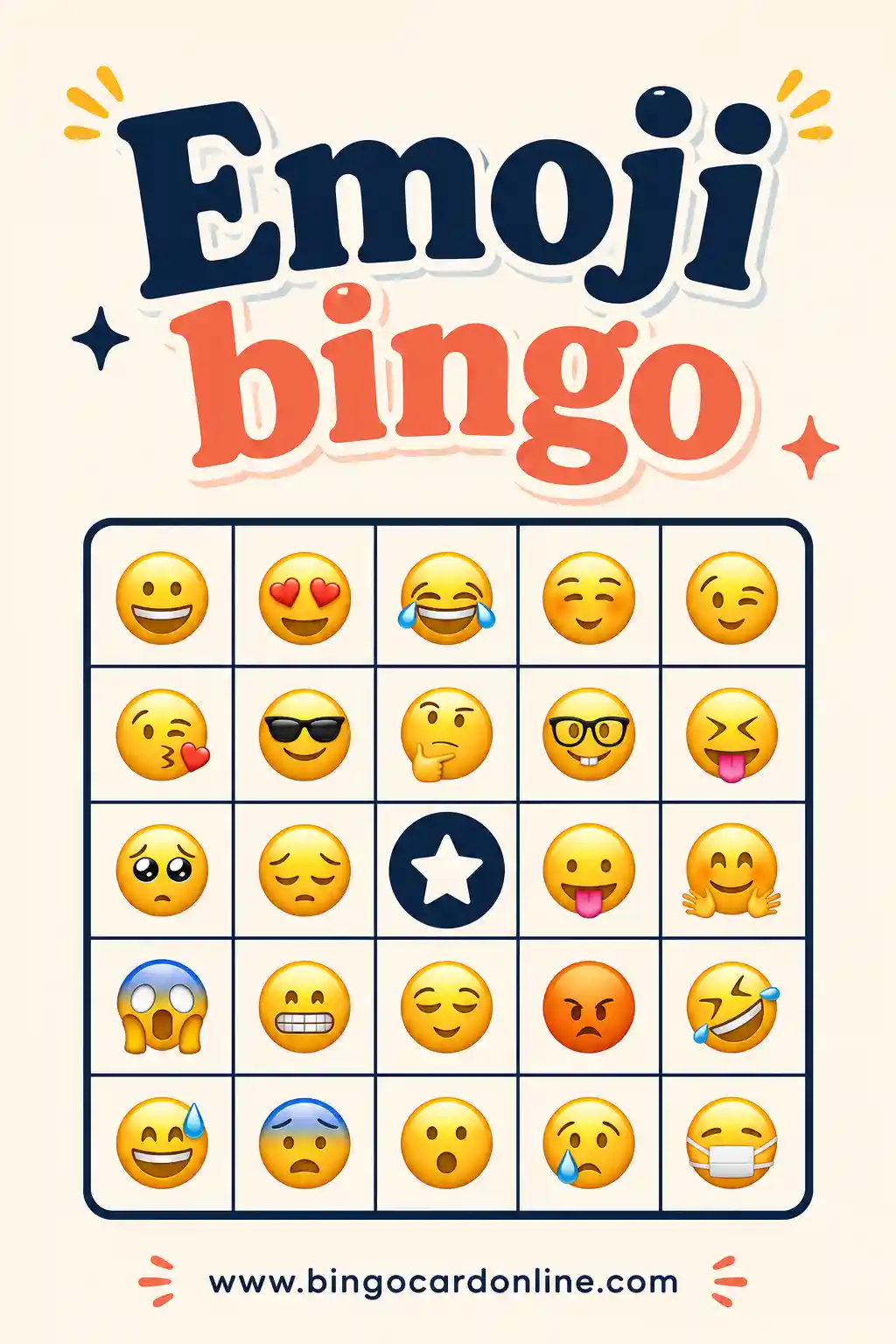
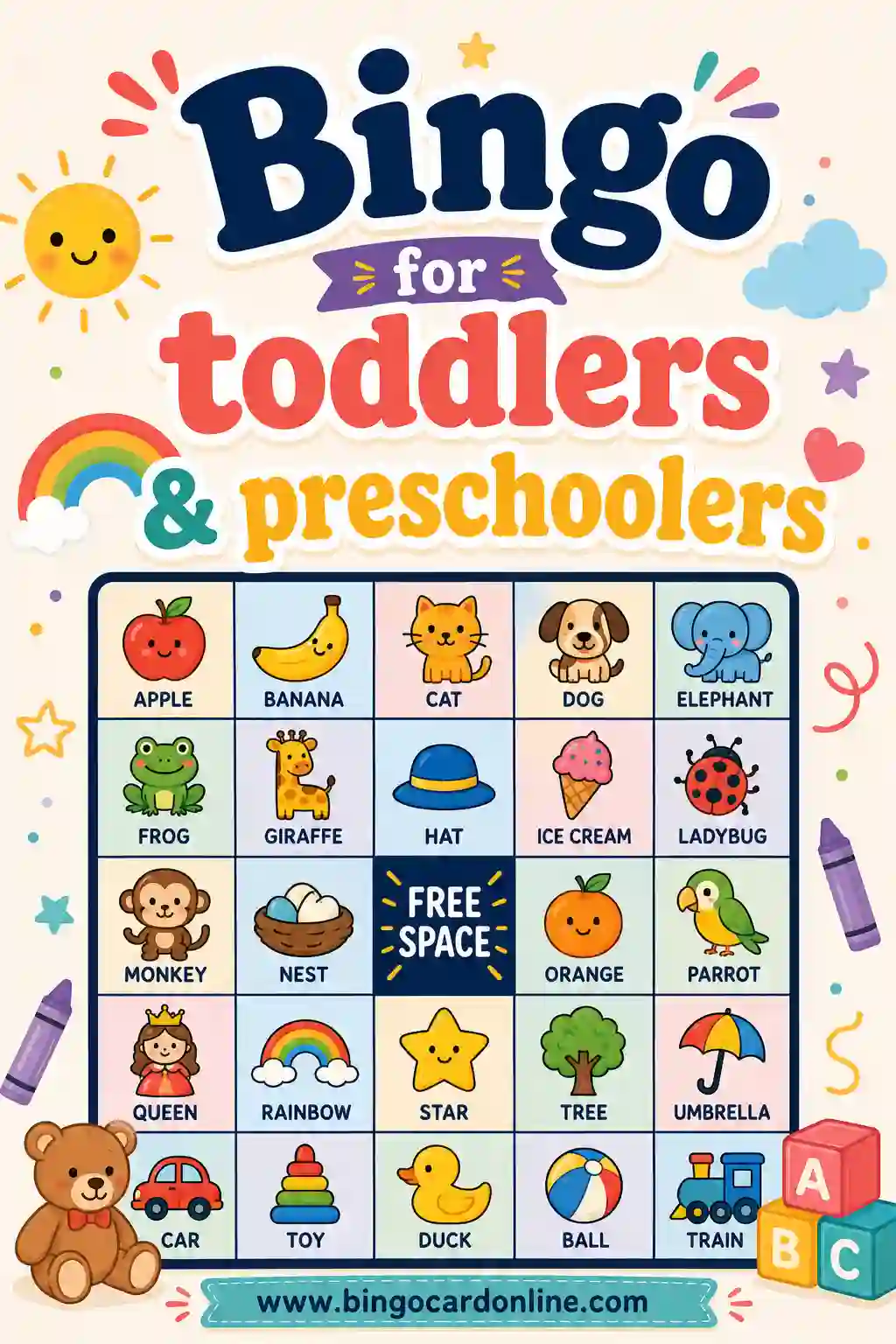
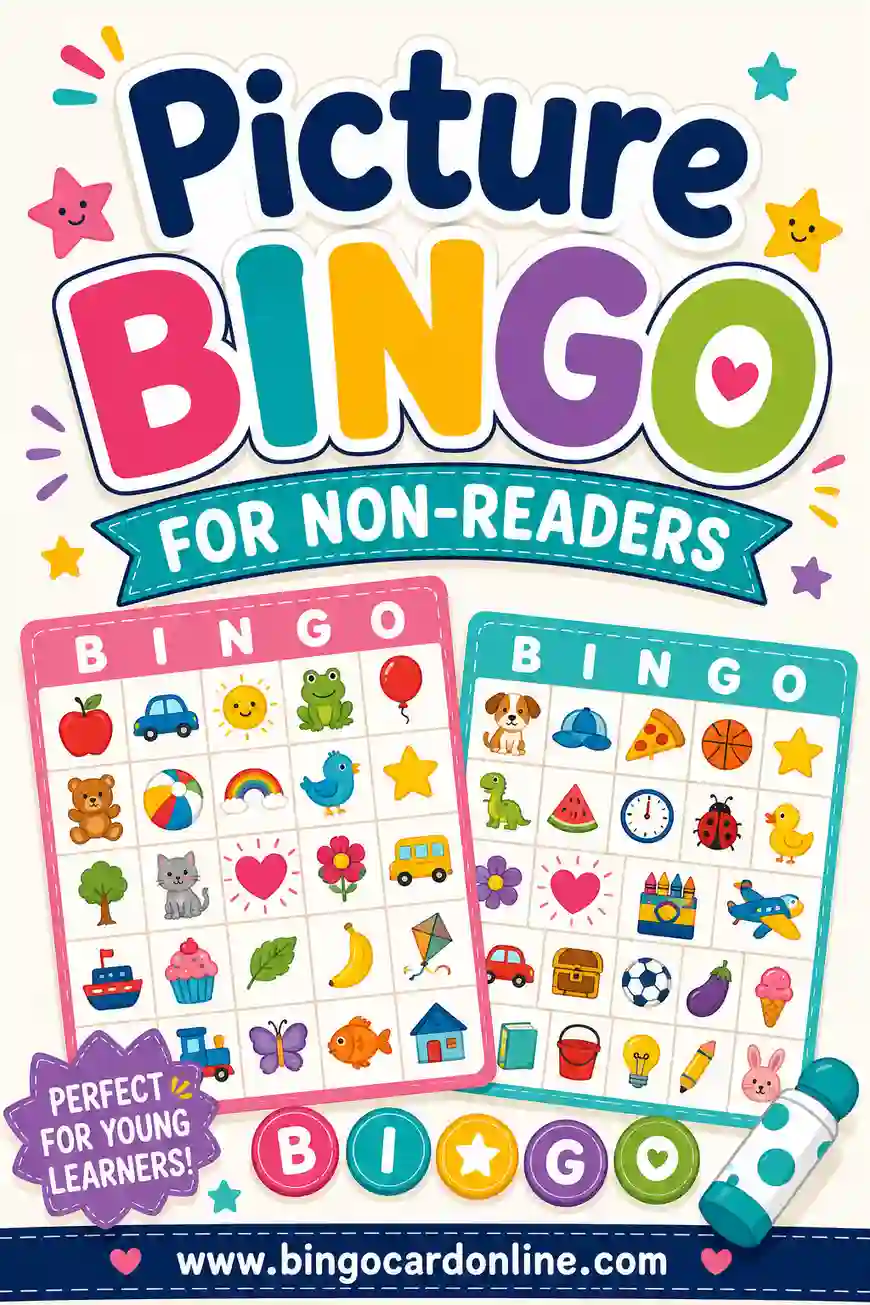
For word, emoji or photo bingo, the size of your list matters a lot. Here's the simple idea: on each call, the chance that a given card has that word is the number of squares divided by the number of items in your list.
- 24 squares from a list of 24 words: every call hits every card.
- 24 squares from a list of 48 words: each call hits about half the cards.
- 24 squares from a list of 60 words: each call hits about two cards in five.
When fewer cards get marked on each call, the cards spread out. Some race ahead, some fall behind, and it's less likely that several cross the finish line together. For a 5×5 card, a list of 40 to 60 items is a comfortable range. The guide on how many squares are on a bingo card explains why a 5×5 card needs 24 items plus the free space.
For number bingo, the pool is fixed at 1–75 (or 1–90 for the UK style), so this lever doesn't apply. Focus on the other five instead.
3. Cap cards per player
More cards in the room means more ties. Asking everyone to play one card is the simplest fix, and it also makes the game easier for kids, seniors and first-timers who struggle to track several cards.
If people love playing more than one card, try a limit of two. Or keep the extra cards for a special round, like the last game of the night.
4. Play in teams
Teams are a sneaky way to shrink the number of cards in play without leaving anyone out. Put players at a table in pairs or groups of four, and give each group one shared card.
Thirty players in groups of three means only ten cards in play. That cuts down on ties, and it turns quiet players into part of a group that cheers together. It works well at office parties, family reunions and classroom games.
5. Use a "play on" rule for ties
Even with all the steps above, you'll still get the odd tie. A "play on" rule makes sure the round still ends with one winner.
Here's how it works. When two or more people have a valid bingo on the same call, the tied players keep their cards and keep playing. The caller draws more calls, and the first tied player to complete a second line (or the next pattern you name) wins. Everyone else can watch and cheer.
This turns a tie into a short, fun playoff, instead of a moment where the host has to split one prize three ways. For more tiebreak options, like high card and high ball, see the full guide to bingo tiebreaker rules.
6. Pause, ask, and check before the next call
This one doesn't stop ties, but it stops fake ones and arguments. When someone calls bingo:
- Stop. Don't draw the next item.
- Ask, "Any other bingos on this call?"
- Check each card against your master call sheet.
- Then apply your tie rule.
The generator's Print master call sheet button gives you a list to mark as you go. With it, you can tell for sure whether a second bingo came on the same call or on a later one.
Do Harder Patterns Help?
Many hosts reach for a harder bingo pattern when they get too many winners. It's worth being clear about what that does and doesn't do.
A harder pattern, like four corners, a postage stamp or blackout, makes each round longer. That gives you more calls between winners and a more relaxed pace in a big room. It also gives you a natural "next pattern" for a play-on rule.
But a harder pattern doesn't reliably mean fewer ties. Blackout is the clearest example. Near the end of a blackout round, lots of cards are just one or two squares away, so several can finish on the same call. If your list is no bigger than the card, every card finishes on the final call together.
So use harder patterns to control game length and add drama, and use the other fixes in this guide to control ties. The bingo patterns explained page shows how each shape is played, including the postage stamp and four corners.
Which Fix Helps Most
Here's a quick view of each lever and how much effort it takes.
| Fix | What it does | Effort | Works for |
|---|---|---|---|
| Unique cards | Removes guaranteed ties from duplicate cards | Very low | All card types |
| Bigger word pool | Spreads cards out so fewer finish together | Low | Words, emoji, photos |
| One card per player | Fewer cards in play, fewer chances to tie | Very low | All games |
| Play in teams | Shrinks cards in play while keeping everyone in | Low | Groups and parties |
| Play-on rule | Turns any tie into a quick playoff with one winner | Very low | All games |
| Pause and check | Stops confusion and late "sleeper" claims | Very low | All games |
| Harder pattern | Makes rounds longer; doesn't cure ties alone | Very low | All games |
If you only do two things, make the cards unique and announce a play-on rule. Those two cover most problems in small and medium groups.
How to Fix It With the Generator
Here are the exact settings to use on the bingo card generator for a game with fewer ties.
- Pick your card type. Choose Words, Numbers, Emoji or Photos. For number bingo, pick 1–75 for a standard B-I-N-G-O card or 1–90 for the UK style.
- Choose a 5×5 grid. It has the most squares (24 plus a free center), so cards differ the most from each other. Use 4×4 or 3×3 for young kids.
- Build a large list. For word bingo, type your own words, one per line, or use Quick start with a theme and then add more of your own. Aim for 40 or more items on a 5×5 card. The site's "How many words do you need?" guidance helps you check.
- Set the number of unique cards. Enter one card per player (or one per team), plus a few spares for latecomers.
- Pick cards per page. Two or four per page saves paper. One per page is easiest to read for seniors and little kids.
- Print. Click Print / Save as PDF. Then click Print master call sheet so you can check claims, and Print winning patterns so players can see the shape they're playing for.
If players are on phones, use Copy shareable link instead of printing. Everyone still gets their own card. The Play caller button can call items for you, so you can focus on checking cards.
Rules to Read Before the First Call
Ties feel unfair mostly when the rule shows up after the fact. A short announcement at the start fixes that. Here's wording you can use:
"Everyone gets one card. A bingo only counts if you call it before the next item is called. If two or more people win on the same call, the tied players keep playing, and the first one to finish the next line wins the prize."
For a big hall, you might add: "We'll check every card against the call sheet before drawing again."
Read it once at the start, and again before the last round. People accept almost any fair rule if they hear it first.
Setups That Work for Different Groups
The right mix depends on your crowd. These setups are good starting points.
Small home game (under 12 players)
Ties are less common here, so keep it simple. Unique cards, one each, and a play-on rule. A 5×5 card from a list of 35 to 45 items is plenty. Family names, favorite foods and pets all make fun squares.
Classroom (20 to 30 kids)
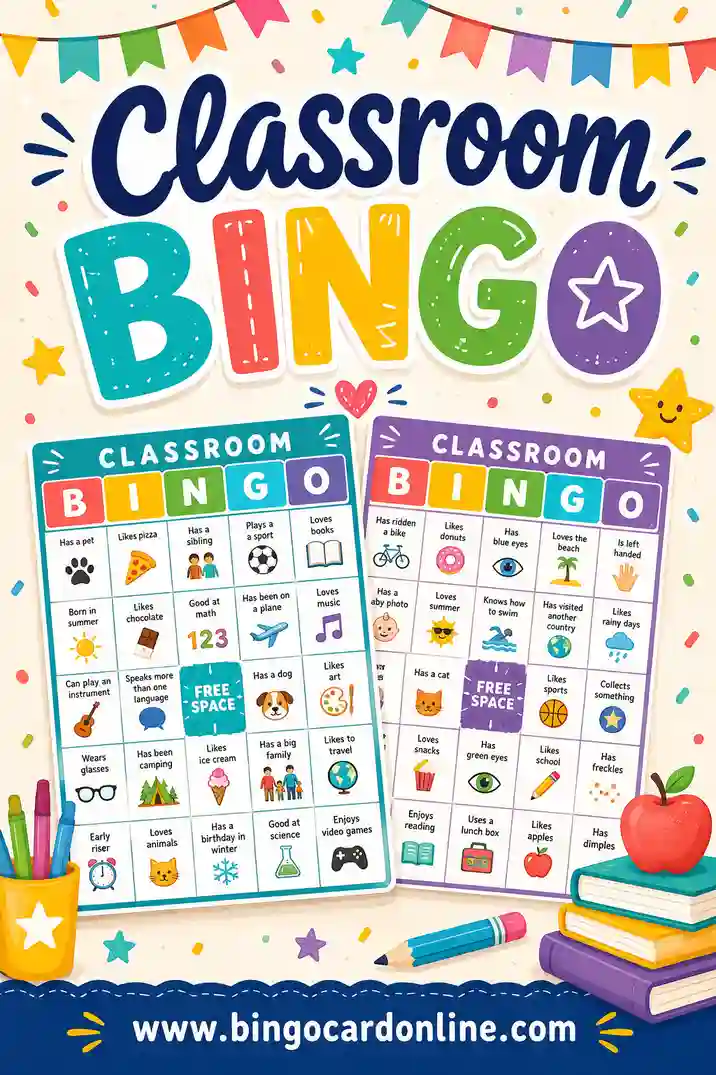
Use unique cards and one card per student. A 4×4 or 5×5 card works for most grades. Teams of two are great for younger kids or new readers. Keep a few small spare prizes, like stickers, in case you do get a tie.
Large group or community night (50 or more)
This is where ties show up most. Use unique cards, a large list or standard number cards, a limit on cards per player, and a clearly announced play-on rule. A runner who checks cards against the master sheet helps a lot. The guide to bingo for large groups has more on running big rooms.
Office party or reunion
Teams of three or four keep the number of cards low and get people talking. Theme the words to your group, like inside jokes or family names, and you'll get plenty of laughs along the way.
Frequently Asked Questions
Why do so many people get bingo at the same time?
Usually it's duplicate cards, a short word list, or too many cards in play. If your list has the same number of items as squares, every card holds the same words, so a blackout round ends with everyone winning on the final call. Unique cards and a bigger list fix most of this.
What should I do if two people called bingo at once?
Check both cards against your master call sheet. If both bingos are valid on the same call, both players are winners, and you apply the tie rule you announced at the start. A play-on rule, where the tied players keep going until one finishes the next line, gives you a single winner.
Does playing blackout stop ties?
Not by itself. Blackout makes each round longer, but near the end many cards are close to full, so several can finish together. A large word pool and unique cards matter more than the pattern.
How many cards per player should I allow?
One card per player is the easiest way to cut down on ties and keep the game fair. If your group enjoys more, cap it at two. You can also save extra cards for one special round.
Can a bingo game have exactly one winner every time?
Not with luck alone, since everyone hears the same calls. But a play-on rule means every round finishes with one winner. Ties just lead to a short playoff instead of a split prize.
How many words should my list have to avoid ties on a 5×5 card?
A 5×5 card needs at least 24 items. To spread cards out and reduce ties, aim for about 40 to 60. More items also make each round last a bit longer.
Make Your Tie-Proof Cards
Fewer ties starts with better cards. Open the free bingo card generator, add a big list, set one unique card per player, and print your master call sheet. Then read your play-on rule out loud and let the game begin.